How INDI Alliance breached the Fortress of Uttar Pradesh in 2024
There’s a popular line from the Bollywood movie ‘Youngistan’ that goes, “Abhi UP baki hai,” which means “UP is still…

Noida, Uttar Pradesh – A simmering discontent among factory workers in Noida boiled over into widespread violence on April 13,…


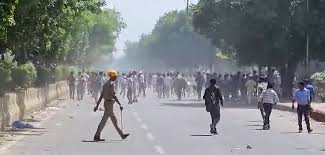
Monday, April 13, marked a critical turning point as the demonstrations intensified.
Noida, Uttar Pradesh – A simmering discontent among factory workers in Noida boiled over into widespread violence on April 13, 2026, as demands for higher wages and improved working conditions escalated into a chaotic confrontation with authorities. The unrest, which brought parts of the bustling industrial hub to a standstill, has ignited a critical debate about labor rights, urban planning, and the efficacy of local governance in India’s rapidly expanding metropolitan areas , .
The protests, which began with peaceful sit-ins on April 9, were fueled by deep-seated frustrations over stagnant wages and the relentless surge in living costs. Workers, many of whom are migrants, highlighted the severe economic strain exacerbated by global events, including the US-Israel war on Iran, which has significantly impacted fuel supplies and, consequently, daily expenses . The demand for a substantial wage hike was a central rallying cry, with workers pointing to a recent 35% minimum wage increase in neighboring Haryana as a precedent for their own aspirations .
Monday, April 13, marked a critical turning point as the demonstrations intensified. What started as a localized protest quickly spread, engulfing key industrial zones and major arterial roads. For over three hours, Noida found itself in the grip of widespread disruption, characterized by incidents of arson, vandalism, and direct clashes between protesters and law enforcement .
Eyewitness accounts and media reports detail scenes of overturned and torched vehicles, with protesters pelting stones at police personnel and property. In response, authorities resorted to a lathi charge and deployed tear gas to disperse the agitated crowds , . Tragically, the violence resulted in at least one fatality, identified as 20-year-old Habib Islam, and left several others injured .
The immediate impact of the protest was felt acutely by commuters, as major routes like the Chilla Border and Noida Link Road were blocked, leading to extensive traffic jams and delays during peak hours . Beyond the immediate disruption, the events of April 13 have cast a harsh spotlight on the preparedness of Noida’s administration and police force. Critics have pointed to an apparent intelligence failure and inadequate police deployment as key factors that allowed the situation to spiral out of control .
Official statements from the police suggested that
“outsiders” attempted to incite unrest after the workers had initially dispersed peacefully, leading to several detentions . However, this explanation has done little to quell concerns about the underlying issues that led to such a volatile situation.
The Noida workers’ protest serves as a stark reminder of the socio-economic pressures faced by a significant portion of India’s workforce. As Noida continues its trajectory as a major industrial and economic hub, addressing the legitimate grievances of its labor force, ensuring fair wages, and establishing effective channels for dialogue will be crucial to prevent future escalations. The incident also underscores the need for robust intelligence gathering and a more proactive approach to maintaining law and order in rapidly urbanizing regions.
Advertisement