Logo

Logo

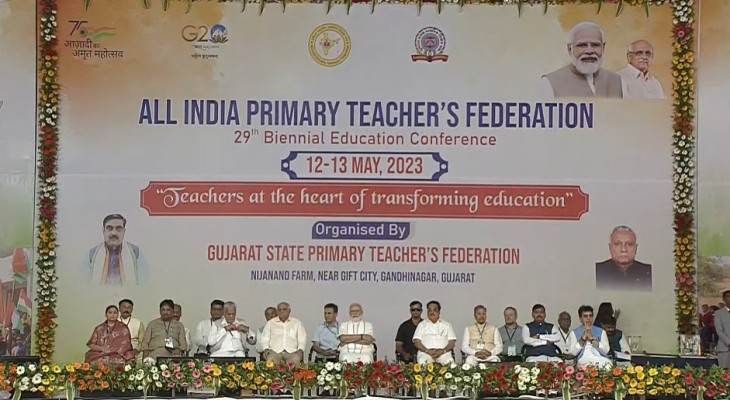
PM Modi participated in the All India Primary Teachers’ Federation’s 29th Biennial Conference, during his Gujarat visit

The India Saga Saga |

Narendra Modi, the Prime Minister of India who is currently on a visit to Gujarat, took part in the Akhil Bharatiya Shiksha Sangh Adhiveshan held in Gandhinagar on May 12th, 2023. The All India Primary Teachers’ Federation’s 29th Biennial Conference is known as Akhil Bharatiya Shiksha Sangh Adhiveshan. ‘Teachers are the Heart of Transforming Education,’ is the theme of the conference. He will inaugurate and lay the foundation stone for various projects worth INR 4,400 crores. 


According to a statement made by the Prime Minister’s office, PM Modi will also pay a visit to Gujarat International Finance Technology City (GIFT). “He will examine the progress of ongoing projects during his visit in the city. To understand the experience and future plans of GIFT IFSC entities, an interaction will also take place. The visit to the city’s key infrastructural facilities including the ‘Automated Waste Collection Segregation Plant’ and  ‘Underground Utility Tunnel is also scheduled.”


He will also hand over the keys of the houses to the owners on this occasion which were built under the Pradhan Mantri Awas Yojana (PMAY) scheme. “To inaugurate the PMAY (projects for urban and rural areas), PM Modi will take part in the Gruh Pravesh of 19,000 houses that was built under this particular scheme. He will also provide the keys to them. The total outlay of these projects is around INR 1,950 crores,” the release said. 


Those projects who got inaugurated today by Narendra Modi are the extension of multi-village drinking water supply schemes in Banaskantha district, sewage treatment plants in Ahmedabad and Mehsana, a river overbridge in Ahmedabad, an auditorium in Dahegam, a drainage collection network at Naroda GIDC. Those projects whose foundation would be laid include a number of pipeline projects in Junagadh district, a new water distribution station, the construction of bridges and flyovers, the argumentation of water supply schemes in the district of Gandhinagar, and various town planning roads. 

Title 42 Explained: What Is It, Why Is It Ending, and What’s Next?

The India Saga Saga |

Title 42 has been a significant policy in the United States’ immigration landscape, impacting the handling of migrants and asylum seekers. 


Understanding Title 42 and Its Significance


Title 42 is a policy that has had a profound impact on immigration policies in the United States. Its purpose has been to address public health emergencies and prevent the spread of diseases through the quick expulsion of migrants. This policy has been crucial in shaping immigration enforcement and determining the fate of asylum seekers.


What is Title 42? A Closer Look at Title 42 and Its Origins


Title 42 finds its legal basis in a 1944 law called the Public Health Act, which granted US authorities emergency powers to curb the spread of diseases. In March 2020, the Trump administration invoked Title 42, citing the need to combat the transmission of Covid-19 across the borders. Under this policy, US authorities have been able to expel migrants, including asylum seekers, swiftly, using the pandemic as justification.


Why is Title 42 Ending? Decoding the Decision to Terminate Title 42


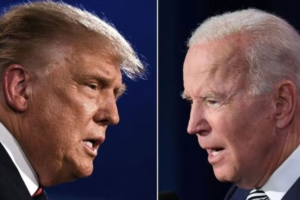
The decision to terminate Title 42 comes after over a year of the policy being in place. When President Joe Biden took office in January 2021, his administration initially kept the policy intact, defending it as a public health measure. However, in April 2022, the US Centers for Disease Control, which oversees US health policy, signaled the intention to end Title 42, citing a reduced public health risk. While Republican-led states sought to maintain the policy, the federally mandated Covid measures ending on May 11, 2023, have led to the conclusion of Title 42.


Implications and Challenges:- Assessing the Implications of Title 42’s Termination


The termination of Title 42 carries significant implications for both immigration and public health. The potential consequences of ending the policy on immigration include changes in the number and demographics of migrants arriving at the US-Mexico border, the processing of asylum claims, and the capacity of immigration courts. Additionally, challenges may arise during the transition period as immigration policies adapt to the new circumstances.


What’s Next? The Future of Immigration Policies Post Title 42


With the termination of Title 42, attention turns to the future of immigration policies in the United States. There will likely be discussions on possible alternatives or modifications to Title 42, aiming to balance public health concerns with humanitarian considerations. The termination of Title 42 may also lead to shifts in immigration policies, including potential reforms and new approaches. It remains to be seen how these changes will unfold and their implications for migrants, asylum seekers, and the broader immigration system.


Title 42 in Retrospect and Looking Ahead


In retrospect, Title 42 has been a significant policy affecting immigration practices in the United States, particularly during public health emergencies. The decision to terminate Title 42 reflects an evolving public health situation and a reassessment of its effectiveness. As we look ahead, it is crucial to monitor the implications and challenges arising from this termination. The future of immigration policies post-Title 42 will likely involve discussions on alternatives, modifications, and potential shifts in how the United States handles immigration, ensuring a balance between public health and humanitarian considerations.


Continue Reading on The India Saga


Adani Hindenburg Row: Supreme Court to hear the petitions for the extension for investigation

The India Saga Saga |

On May 12th, 2023, Friday, the Supreme Court will hear the petitions on the Adani-Hindenburg row. The Security Exchange Board of India has filed these petitions on the Adani-Hindenburg matter seeking to increase the time to finish the probe of the  Hindenburg report by 6 months. The SEBI was instructed by the court to conclude the probe into this matter within 2 months only. 


Dr Dhananjaya Yeshwant Chandrachud, the Chief Justice of India headed the bench which includes Justice JB Pardiwala and PS Narsimha will listen to the matter today after two months it had asked the experts’ and regulators of market to probe the whole matter. The SEBI, regulator of capital markets, was directed by the apex court to investigate any breach of securities law in the Hindenburg report by Adani Group. 


The report by the Hindenburg against Adani resulted in the massive wipeout of almost USD 140 billion in the market value of the Adani Group. The SEBI’s application demanding an expansion of time has been questioned by the petitioner, Vishal Tiwari. In an application that moved before the Supreme Court, SEBI submitted that keeping in mind the ongoing circumstances, it would take further more time to reach  at verified timings and complete the probe. A panel was set up by the apex court to look at providing protection to the investors. 


In a statement by the Security Exchange Board of India said that, “SEBI, in the ongoing situation, most respectfully submits that in order to permit  SEBI to conduct a proper investigation and arrive at verified timings, it would be just, expedient and in the interest of Justice that this court may be pleased to increase the time to finish the investigations as directed.” Abhay Manohar Sapre who is a former judge of the Supreme Court of India headed the expert committee along with five members which include, retired judge Justice J P Devadhar, OP Bhatt, KV Kamath, Nandan Nelikani, and Somashekhar Sunderesan.

Continue Reading on The India Saga.

CBSE Class 12th Board Examinations Results Declared: Here is How to Check

The India Saga Saga |

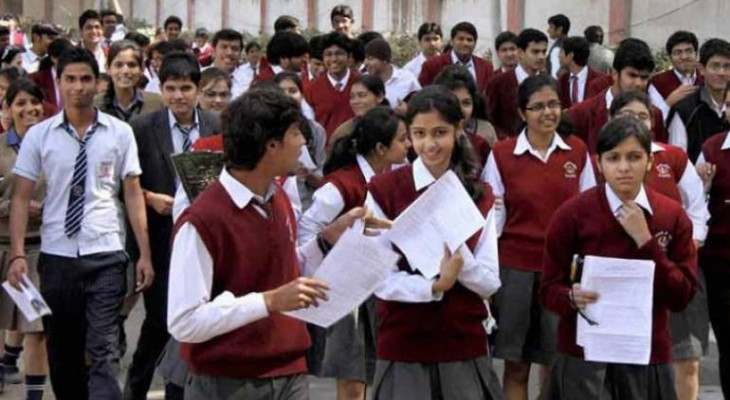
The Central Board of Secondary Education (CBSE) has announced the results for Class 12th Board exams on its official website. Students who appeared for these exams can now check their results on the CBSE website.


To check their results, students need to follow a simple process. 

  • Step one, visit the official website of the Central Board of Secondary Education (https://cbseresults.nic.in/
  • Click on the “Results” tab.
  • Then select the appropriate exam from the list of available options, enter the roll number and other necessary details. 
  • After submitting the required information in the form, the results will be displayed on the screen directly.

The CBSE conducted the exams for both the 10th and 12th classes in March 2023, and the results have now been declared in May 2023. The board has taken all necessary precautions and measures to ensure that the evaluation process was conducted fairly and accurately.


The CBSE 10th and 12th exams are one of the most crucial examinations in India. The results of these exams play a significant role in determining the future of the students. The results of the 10th class determine the eligibility criteria for the students to pursue their further education, whereas the results of the 12th class determine the admission eligibility to universities and colleges.


Due to the COVID-19 pandemic, the CBSE board had to cancel the 10th and 12th board exams in 2022, and students were evaluated based on their internal assessment and previous performance. However, in 2023, the board decided to conduct the exams, adhering to all the COVID-19 guidelines and safety protocols.


Kerala’s Thiruvananthapuram has the highest pass percentage of around 99.91% in CBSE class 12th result 2023. Whereas Pune is at 87.28% of the pass percentage in class 12th this year. The name of the topper is yet to be announced.


We congratulate all students who have passed the 10th and 12th exams and wish them the best in their future endeavours. Those who did not score good marks, should not be worried and not lose hope. There are several options available for your career ahead! Do not be disheartened. 


Continue Reading on The India Saga.

Heather Armstrong- The Founder of Mommy Blog ‘Dooce’ passes away at the age of 47

The India Saga Saga |

As per The Associated Press, Heather Armstrong- the founder of Dooce, the Mommy Blog has passed away at the age of 47. The news was confirmed by an Instagram post posted on her account which read out “Heather Brooke Hamilton aka Heather B. Armstrong aka dooce aka love of my life. July 19, 1975 — May 9, 2023. It takes an ocean not to break.’ Hold your loved ones close and love everyone else.” The blogger is reported to have committed suicide. 


Heather was a well-known Mommy Blogger with a massive fan following across Social Media Platforms and her sudden demise has left her fans across the globe in shock. Heather who was touted as the “Queen of the Mommy Bloggers,” rose to fame in the early days of the internet, eventually emerging as one of the first “momfluencers”. She started the blog after being fired from her job as a web designer in Los Angeles in 2002 and rapidly grew in popularity for her candour. The reason for her being fired from her job was a sarcastic blog in which she gave co-workers nicknames like That One Co-worker Who Manages to Say Something Stupid Every Time He Opens His Mouth was found to be hers. Heather openly shared her experiences with leaving the Church of Jesus Christ of Latter-day Saints, with sex and discussed the ups and downs of raising her beloved daughters.


Forbes, in 2009, named Heather Armstrong as one of the most influential women in Media, noting her blog averaged about 300,000 followers at that point of the time. In a 2012 interview with TODAY’s Savannah Guthrie, Armstrong said she was “really scared” to share the news of her divorce from her husband. 


Apart from being a Blooger, Heather Armstrong is also an author and has published numerous books, including a book of essays entitled “Things I Learned About My Dad (in Therapy): Essays”; a memoir entitled “It Sucked and Then I Cried: How I Had a Baby, a Breakdown, and a Much Needed Margarita”; and a book about her struggle with suicidal depression titled “The Valedictorian of Being Dead: The True Story of Dying Ten Times to Live.”


Born Heather Brooke Hamilton, and was raised in Bartlett, Tennessee, a suburb of Memphis, and later based in Salt Lake City, she was also battling Stress and Depression and is said to have entered into a phase of excessive drinking.


Continue Reading on The India Saga

Uddhav Thackeray calls for Shinde’s resignation after the Supreme Court verdict in the 2022 political crisis in Maharashtra

The India Saga Saga |

On May 11th, 2023, Thursday, the Supreme Court delivered its verdict on the three-year-long crisis sparked by the Chief Minister of Maharashtra Eknath Shinde’s revolt which led to the fall of the Uddhav Thackeray’s led alliance named Maha Vikas Aghadi in 2022. The Supreme Court further mentioned that they can not eliminate the Eknath Shinde-led government and declined the submission to take back Uddhav Thackeray as the chief minister, because it was his decision to resign rather than facing a test of Strength.  


Eknath Shinde along with 39 MLAs rebelled against the leadership of Shiv Sena which resulted in the division of the party and collapse of the MVA government in June 2022, which also compromised the Congress and NCP. Eknath Shinde later joined hands with the Bharatiya Janata Party to return as the CM. Uddhav Thackeray,  former CM of  Maharashtra, said that those who had left his party had no right to ask him any questions regarding anything, and also if Eknath Shinde has any morals and ethics, then he should resign at the earliest.


A five-member Constitution bench led by the Chief Justice of India DY Chandrachud, had been hearing a batch of petitions filed by both the groups of the Shiv Sena from February this year. It is said that the Governor of Maharashtra Bhagat Singh Koshyari’s decision to call for a floor test by the ministers was not in accordance with the law. The former chief minister of Maharashtra and Shiv Sena UBT President Uddhav Thackeray said while reacting to a court verdict, “Eknath Shinde won after murdering the democracy. He should now resign on grounds of moral value.” 


The bench also said that the decision of the speaker to appoint Bharat Gogawale, a whip of the Eknath Shinde group, was illegal. The Supreme Court further mentioned that floor tests can not be used as a medium to settle party’s intra-inter party disputes. The final judgement was delivered by the five-judge bench including DY Chandrachud, Justice Krishna Murari, Justice Hima Kohli, Justice MR Shah, and PS Narasimha. 


Can Biden Invoke the 14th Amendment to Avoid a Debt Ceiling Crisis?

The India Saga Saga |

The United States is currently facing the challenge of the approaching debt ceiling, raising questions about whether President Joe Biden will utilise the 14th Amendment to circumvent a potential crisis. 


What is the 14th Amendment?


The 14th Amendment, ratified in 1868, holds immense constitutional importance. Its primary objective was to guarantee equal protection under the law for all citizens and safeguard the rights of former slaves. However, Section 4 of this amendment specifically bears relevance to the ongoing debt ceiling debate.


Section 4 of the 14th Amendment states that “The validity of the public debt of the United States, authorised by law, shall not be questioned.” Legal scholars have interpreted this provision as a prohibition against actions that could undermine the nation’s ability to fulfil its financial obligations.


Brief history of the Debt Ceiling and Past Crises


The debt ceiling was established in 1917 as a mechanism to control government spending and borrowing. Its purpose was to ensure that Congress had oversight and control over the nation’s debt. Over the years, the debt ceiling has been raised numerous times to accommodate growing fiscal obligations.


Past debt ceiling crises have caused significant turmoil. In 2011, a political standoff over increasing the debt ceiling led to the first-ever credit rating downgrade of the United States. Another notable crisis occurred in 2013 when the government entered a partial shutdown due to a deadlock over the debt ceiling. These episodes highlighted the potential economic repercussions and raised concerns about the stability of the global financial system.


Overview of the Current Situation and Potential Consequences


As of today, the United States is fast approaching its debt ceiling limit. Failure to raise or suspend the debt ceiling would result in the government’s inability to meet its financial obligations, risking a potential default. The consequences of a default would be dire, causing widespread economic turmoil, damaging the country’s creditworthiness, and jeopardising international confidence in the U.S. economy.


In light of these risks, there has been speculation about whether President Biden could invoke the 14th Amendment of the U.S. Constitution to circumvent the debt ceiling. 


The relevant section of the amendment states that “the validity of the public debt of the United States […] shall not be questioned.” Advocates argue that this clause empowers the President to take necessary actions to prevent default and protect the nation’s creditworthiness.


However, the applicability of the 14th Amendment in this context remains a topic of legal debate. Biden Opponents and Critics argue that invoking the amendment to bypass the debt ceiling would be an overreach of executive power, as the authority to borrow funds is explicitly granted to Congress. Critics also contend that such a move could trigger a constitutional crisis and undermine the checks and balances system.


Can the 14th Amendment be used to avoid a Debt Ceiling Crisis?


Arguments in favour of using the 14th Amendment


Advocates of invoking the 14th Amendment argue that this provision deems it unconstitutional to default on the national debt. They contend that if the debt ceiling is not raised in a timely manner, the President possesses the authority to prioritise debt payments, thereby sidestepping default and averting a potentially catastrophic financial crisis.


Arguments against using the 14th Amendment


Opponents of invoking the 14th Amendment maintain that it was not originally intended as a mechanism to bypass the debt ceiling. They assert that the power to raise or suspend the debt ceiling lies exclusively with Congress, and any invocation of the 14th Amendment would undermine the Constitution’s principle of separation of powers.


Historical examples of the 14th Amendment being invoked for financial purposes


Throughout history, the 14th Amendment has been invoked for financial purposes, albeit in different contexts. For instance, during the Civil War, the Union government utilised the amendment to repudiate Confederate debts. However, the application of the 14th Amendment to the debt ceiling remains a matter of debate.


Biden’s Stance on the 14th Amendment


Statements made by Biden and his administration


President Biden and his administration have refrained from explicitly expressing whether they would invoke the 14th Amendment to navigate a debt ceiling crisis. Instead, they have focused on urging Congress to address the issue through legislative means. Biden has emphasised the dire consequences of failing to raise the debt ceiling, highlighting the potential impact on the economy and financial markets.


Discussion of the political implications of invoking the 14th Amendment


Invoking the 14th Amendment to bypass the debt ceiling could entail significant political implications. Critics argue that it could be perceived as a contentious move, potentially setting a precedent for future presidents to disregard Congress’s authority over fiscal matters. Such a decision might lead to a political standoff and potential legal challenges.


Alternatives to invoking the 14th Amendment


Possible legislative solutions to the debt ceiling crisis


Rather than relying on the 14th Amendment, Congress has the power to raise or suspend the debt ceiling through legislative measures. Various proposals have been put forth, including eliminating the debt ceiling altogether or implementing automatic debt ceiling increases tied to budgetary factors. However, reaching a consensus on these proposals often proves challenging due to partisan divisions.


Analysis of the effectiveness of these solutions


Legislative solutions necessitate bipartisan support and prompt action to avert a debt ceiling crisis. Unfortunately, the history of debt ceiling debates reveals a pattern of last-minute negotiations and brinkmanship. The uncertainty surrounding these discussions strengthens the argument that a more permanent solution, such as eliminating the debt ceiling, may be necessary.


Pros and Cons of invoking the 14th Amendment


Pros:


The 14th Amendment of the U.S. Constitution contains a clause stating that “the validity of the public debt of the United States […] shall not be questioned.” Proponents argue that this clause provides the President with the authority to take necessary actions to prevent default and protect the nation’s creditworthiness. By invoking the 14th Amendment, President Biden could potentially bypass the debt ceiling and ensure the continued payment of the nation’s financial obligations.


Cons:


Opponents of invoking the 14th Amendment argue that such action would be an overreach of executive power. They contend that the authority to borrow funds is explicitly granted to Congress, and circumventing the debt ceiling through the amendment would undermine the principles of checks and balances. Critics also caution that invoking the 14th Amendment to avoid a debt ceiling crisis could trigger a constitutional crisis, further exacerbating the political and economic uncertainties surrounding the issue.


As the United States confronts the debt ceiling crisis, finding a solution that averts default and safeguards the nation’s financial stability is of utmost importance. While the idea of invoking the 14th Amendment has been proposed as a potential course of action, its legality and the potential consequences remain subjects of debate.


Continue Reading on The India Saga.

Delhi government marks a big win as SC verdict allowed them to control administrative services on all aspects

The India Saga Saga |

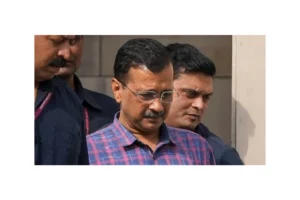
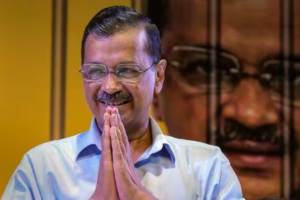
On May 11th, 2023, Thursday, there was a big win for the Arvind Kejriwal-led Aam Aadmi Party (AAP) government in Delhi as the Supreme Court pronounced its most awaited verdict in the disputes between the Centre and Aam Aadmi Party, the government of Delhi on who should control the administrative services in the national capital. The Supreme Court directed that the Delhi government has executive and legislative powers over the services issues in an unanimous verdict.


The Apex Court of India in its verdict stated that the government of Delhi has control over administrative services in all aspects except for public order, land, and police. The Supreme Court didn’t agree with the judgements made by Justice Ashok Bhushan in 2019 that the government of the city has no power over the services issues. The leaders of the Aam Aadmi Party hailed the judgement and called it a victory for the ‘Delhi people.’


Pronouncing the verdict, the Supreme Court further stated the real power of administration must reside in the elected arm of the state, Delhi and the Centre both have powers as the government which is elected, represents the expression of the people’s will. In the absence of law by parliament, the Legislature of Delhi and its executives have the power to take the decisions. As the hearing began Chief Justice DY Chandrachud said that the verdict was unanimous, and mentioned that the apex court did not agree with Justice Ashok Bhushan in the 2019 split verdict where he held that the government of Delhi has no power over services. 


 The case was referred before the Constitution bench after a request made by the Centre to a larger bench to look into this matter in May 2021. The Apex Court announced a split verdict on the questions regarding the powers of the Union Government and Delhi Government over the issues of services and referred the matter to a three-judge bench. The bench which was assigned to hear the pleas on six matters had given an unanimous order on the left out five issues except the issue related to control over the services. 

Andromeda Shines Bright: Key Highlights of FY 22-23

The India Saga Saga |

Andromeda Sales and Distribution Private Limited is India’s leading distributor of loans. The company has its headquarters in Mumbai and branches in 1000+ cities in India. Andromeda also enjoys a strong agent network of more than 25,000 across the length and breadth of the country and an employee strength of over 3000 people. Through this network, it disburses loans and distributes other financial products such as credit cards, real estate and insurance. The organization was established in 1991 under the esteemed leadership of Mr. V Swaminathan.


Major highlights of FY22-23


In the fiscal year 22-23, Andromeda achieved a significant milestone with an annual turnover of over INR 1000 cr. In addition to this remarkable achievement, the company’s annual loan disbursals grew from INR 18,000 cr in FY20-21 to INR 38,000 cr in FY21-22 and further to INR 60,000 cr in FY22-23. More so, the company’s insurance premiums, from its subsidiary corporate agency, rose from INR 32 cr to INR 75 cr in the period from FY21-22 to FY22-23.


This growth was fueled by increased digitization and the use of technology, which helped the company counter the headwinds of interest rate increases through the period. Despite the uncertainty in the lending industry, the organization was equipped with the requisite digital skillsets and cultural alignment that helped drive sales. This has helped Andromeda streamline its operations, reduce costs and improve customer experience. At the same time, embracing digital technology has helped the company remain competitive in an increasingly crowded market.


Other factors driving Andromeda’s growth


Its diversified financial product offering also has played a significant role in this success. Andromeda’s volumes are diversified across home loans, personal loans, mortgages, business loans and insurance products.


Moreover, the organization has more than 120 active partners across banks, NBFCs and fintech companies across the country. It is considered amongst the ‘top 3 most-preferred channel partners for loans’. And particularly in FY22-23, it led disbursal volumes for all major partners. Andromeda’s growth is a reflection of the long-standing associations with its partners, such as HDFC Bank, Tata Capital, Future Generali and MoneyWide.


The company’s success is a testament to the extensive usage of data and analytics in its business models. This entails offering its agents and 30 million+ customer footprint a wide range of products across multiple service providers. The sole purpose of this is to create a robust communication strategy between its partners and customers, which inevitably contributes to its annual turnovers.


Major thrust area for FY23-24


In the new fiscal year, Andromeda’s major area of focus is on developing a technology platform for agents to earn and sell seamlessly. It will be coupled with increased digitization and Application Programming Interfaces (APIs) across all major partners. The organization is building a digital infrastructure that will serve it well in the coming years.


The initiative is a reflection of the broader trends in the Indian lending ecosystem. It has become imperative to adapt to the trends and become more data-rich, digitally savvy and process-oriented. Given the fact that customers are looking for innovative and smooth experiences in all online transactions, investing in cutting-edge technology is the need of the hour. Besides, the digital transformation also adds value to Andromeda’s rich legacy of three decades.


Wrapping up


Andromeda’s achievement of an annual turnover of over INR 1000 cr is a major milestone. While adding branches and people to sustain its growth momentum will be paramount, the company aspires to integrate the best practices in digital and technology to maintain its growth in the coming years and consolidate its stance as India’s largest loan distributor.


Voting for the final phase of local body polls in 38 districts in Uttar Pradesh began at 7 am

The India Saga Saga |

On May 11th, 2023, Thursday, the polling for the second and final phase of local body polls in 38 districts of Uttar Pradesh is underway. The voting for the election started at 7 am in the morning amid the heavy security arrangements. The first phase of voting for the elections was held in 37 districts on 4th May. An average of 52 percent voter turnout was recorded in the first phase of the local body elections. The counting of the votes for both phases, first and second is scheduled for Saturday. 


The people were seen queuing outside the polling booths to cast their respective votes for the final phase of local body polls in 38 districts. The elections are being held for 199 of Nagar Palika Parishad Chairperson, 544 of Nagar Panchayat Chairperson, 17 seats of Mayor, 5,327 of Nagar Palika Parishad Member, 1,420 of Corporator, and 7,178 seats of Nagar Panchayat Member. Soon, after the voting started, complaints were reported related to technical problems in an EVM  (Electronic Voting Machine), from one of the polling booths in Ayodhya. 


A voter who came to cast their vote said that “I came to vote but the collector has informed us that there is a malfunction in the EVMs so after some time we will be back to cast our votes again. Voting for the right candidate is our duty so we will definitely fulfill it.” Over 1.92 crore registered voters are set to decide the fate of 39,146 poll aspirants in the districts including Ghaziabad, Meerut, Aligarh, Kanpur, Bareilly, Shahjahanpur, Ayodhya, and Kanpur. 


The State Election Commission mentioned earlier that the election would be held on 14,684 seats in 760 urban local bodies of the state. The voting for the first phase which was held on May 4th registered an average of 52 percent voters who cast their votes which was 5.52 percent less than the poll percentage recorded in 37 districts in the 2017 Elections. The results of these elections will be out on May 13th.