Logo

Logo

26th July, Kargil Vijay Diwas; The Pride of India

Shubham Tyagi |

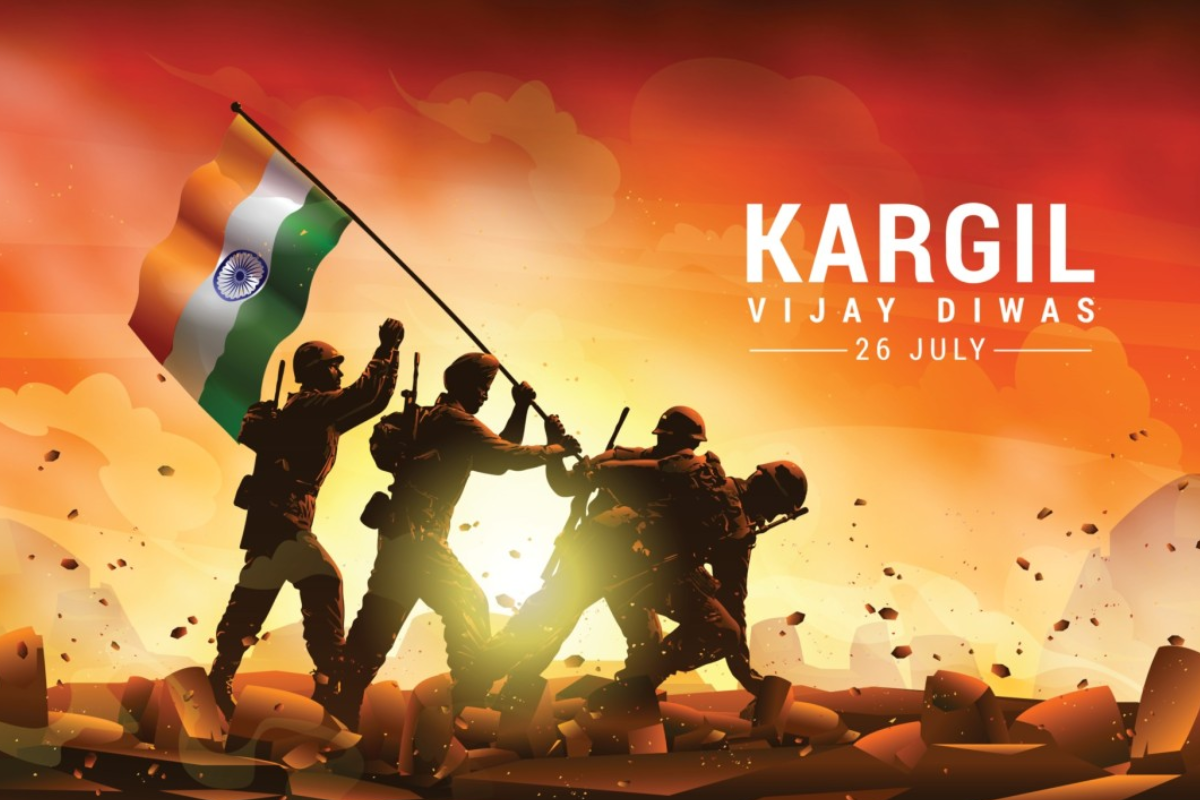
Every year on July 26th, India commemorates Kargil Vijay Diwas, a day of immense pride and solemn remembrance. It marks the victory of Indian armed forces over Pakistani infiltrators in the Kargil conflict of 1999. This day is not just a tribute to the valor and sacrifice of our soldiers but also a reminder of the resilience and unity of our nation. The story of Kargil is a testament to the indomitable spirit of our armed forces, whose bravery and dedication continue to inspire every Indian. 

The Conflict and the Challenge  

The Kargil War, also known as the Kargil conflict, was fought between India and Pakistan. The battle was fought from May to July 1999 in the Kargil district of Jammu and Kashmir. The conflict began when Pakistani soldiers and militants infiltrated the Indian side of the Line of Control (LoC), occupying key positions on the high ridges and peaks. This posed a significant strategic threat to India, as it gave the enemy a vantage point over the vital Srinagar-Leh highway. 

Operation Vijay: The Triumph of Courage  

In response to the infiltration, the Indian Army launched Operation Vijay, a meticulously planned and fiercely executed campaign to reclaim the occupied territories. The operation saw intense battles fought in the most challenging and treacherous terrains, with temperatures dropping to extreme lows and oxygen levels dangerously thin.  

One of the most iconic battles of the Kargil War was the Battle of Tiger Hill. Captain Vikram Batra, who was later awarded the Param Vir Chakra, India’s highest military honor, played a pivotal role in this battle. His fearless leadership and unwavering determination inspired his troops to capture the peak despite heavy enemy fire. “Yeh dil maange more!” (This heart wants more) became his battle cry, embodying the relentless spirit of the Indian Army.  

Another hero of the Kargil War was Grenadier Yogendra Singh Yadav, also a Param Vir Chakra awardee, who displayed extraordinary bravery in the face of certain death. Despite being critically injured, he continued to fight and neutralize enemy bunkers, paving the way for his unit’s success. His courage and sacrifice are etched in the annals of Indian military history. 

Human Stories of Valor and Sacrifice  

The Kargil War is replete with stories of individual bravery and sacrifice that continue to inspire generations. Major Rajesh Singh Adhikari, who was posthumously awarded the Maha Vir Chakra, led his troops with exemplary courage and tactical acumen. His last words, “I will not die without doing something great for my country,” reflect the profound sense of duty and patriotism that drove our soldiers.  

Lieutenant Manoj Kumar Pandey, another Param Vir Chakra awardee, displayed unparalleled heroism during the capture of Khalubar. Leading his platoon through heavy enemy fire, he eliminated several enemy positions before succumbing to his injuries. His sacrifice and valor epitomize the indomitable spirit of the Indian Army. 

A Nation’s Tribute  

Kargil Vijay Diwas is not just a day of remembrance; it is a day of national pride and gratitude. Across the country, ceremonies are held to honor the martyrs and celebrate the bravery of our soldiers. Schools, colleges, and communities come together to pay tribute through cultural programs, speeches, and exhibitions. 

The Indian Army’s gallant efforts during the Kargil War also underscored the importance of unity and support from every citizen. Families of soldiers, often referred to as the “silent warriors,” stood strong, providing unwavering support and strength to their loved ones on the frontlines. Their resilience and sacrifice are as commendable as the soldiers who fought the war. 

Kargil Vijay Diwas serves as a poignant reminder of the courage, determination, and sacrifice of the Indian armed forces. It is a day to honor the memory of those who laid down their lives for the nation. And to express our gratitude to the soldiers who fought valiantly to safeguard our borders. As citizens of this great nation, it is our duty to remember and respect the sacrifices made by our soldiers and to uphold the values they fought for, and to continue building a strong, united, and resilient India. 

In the words of Captain Vikram Batra, “Either I will come back after hoisting the Tricolor, or I will come back wrapped in it, but I will be back for sure.” These words echo the eternal spirit of our soldiers, who fight for the honor and pride of India. Jai Hind! 
India-China Relations: Navigating Tensions and Cooperation

Shubham Tyagi |

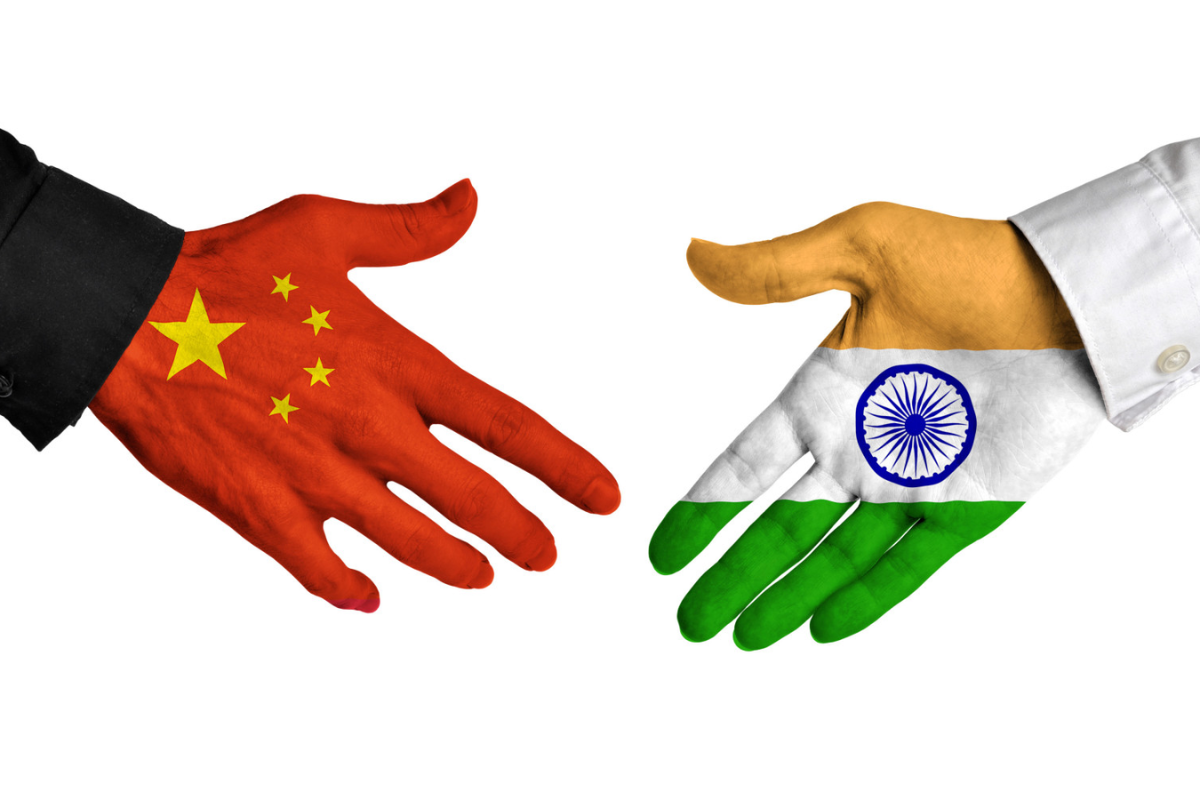
In 2024, Narendra Modi’s re-election campaign emerged victorious, which made him the Prime Minister for a record-breaking third time.  Consequently, the Prime Minister re-appointed the Foreign Minister and National Security Advisor, showcasing his vision for continuity of India’s statecraft. One major issue that garners immense attention is India’s bilateral ties with China. India-China relations are marked with border disputes, unfair trade relationships, China’s alliance with Pakistan, and a consistent political disaccord over yielding power.  

The Indo-China relationship has struggled due to a lack of strategic trust. Additionally, the Russian invasion of Ukraine, has brought China closer to Russia, India’s historic defense partner. Therefore, these power dynamics result in a complex web of relations, devoid of cooperation. However, the tense relations are a relatively recent development. In the period from 1990 to 2013, India and China had settled on focusing on their economic development, both countries collectively working on issues such as terrorism or Afghanistan. 

Impact of BRI on India-China Relations

The agenda for the two Asian powerhouses involved not repeating the 1962 border war. However, as national interests went in different directions. India grew insecurities when President Xi Jinping pursued an assertive foreign-policy and security agenda by focusing on promoting global technology champions and its Belt and Road Initiative (BRI). Moreover, he acquired advanced dual-use technologies and secured its economy at home.  

India has simultaneously established itself as a rising global economic force able to leverage its strategic partnerships in Asian and international markets. After the tumultuous period of the coronavirus pandemic, India has gained confidence from its status as the world’s fastest growing major economy. While China’s own economic prospects were met with pessimism. India’s ambitious “Make in India” movement is a testament to its vision of propelling its services and industry, using foreign capital to eventually boost exports.  When Prime Minister Modi was the leader of the Gujarat State, he referenced China’s Guangdong province as an example for achieving growth. And currently, it seems like India has taken a page out of China’s playbook as it is trying to defeat China at its own economic and strategic game.   

India is strategically depicting its power through calculated efforts that will pressurize China to recognize India’s global rise. The varying strategies include creating an inquiry framework based on border conditions prior to 2020; limiting official interactions and visas; renaming areas in contested territory; making defense and infrastructure investments along borders; boosting its nuclear second-strike capabilities, allowing some irritants to develop, and reducing reliance on Chinese imports to drive its own growth, all to the advantage of supply chains with the Quad and other nations. 

India-US Relations; A threat for China

When it comes to China, it is fixated on its rivalry with the US. Furthermore, China is aware of Donald Trump’s affinity for PM Modi. China is particularly heeding Indo-US relations on emerging technologies. India additionally possesses a large population, and its promising economy is favorable to Chinese exporters, however, it could also pose a problem for China. China continues to believe that its terms alone can steer the relationship, as seen by the widening GDP disparity between the two countries.    

Both countries are striving to enhance their profitability and security in the realm of space, cyber and underwater maritime domains by investing in national technological capacities. These practices leave very little room for cooperation. Moreover, India’s rejection of BRI and New Delhi’s consideration of a sanctions policy led by the US against Ukraine pose challenges to the BRICS countries’ convergence on currency promotion. Another area of dispute for Indochina comprises discouraging Russia from deploying nuclear weapons in Ukraine. Whereas third countries are stuck in a dilemma between choosing either India or China, which proves to be a hindrance in the path to prosperity for both countries.  

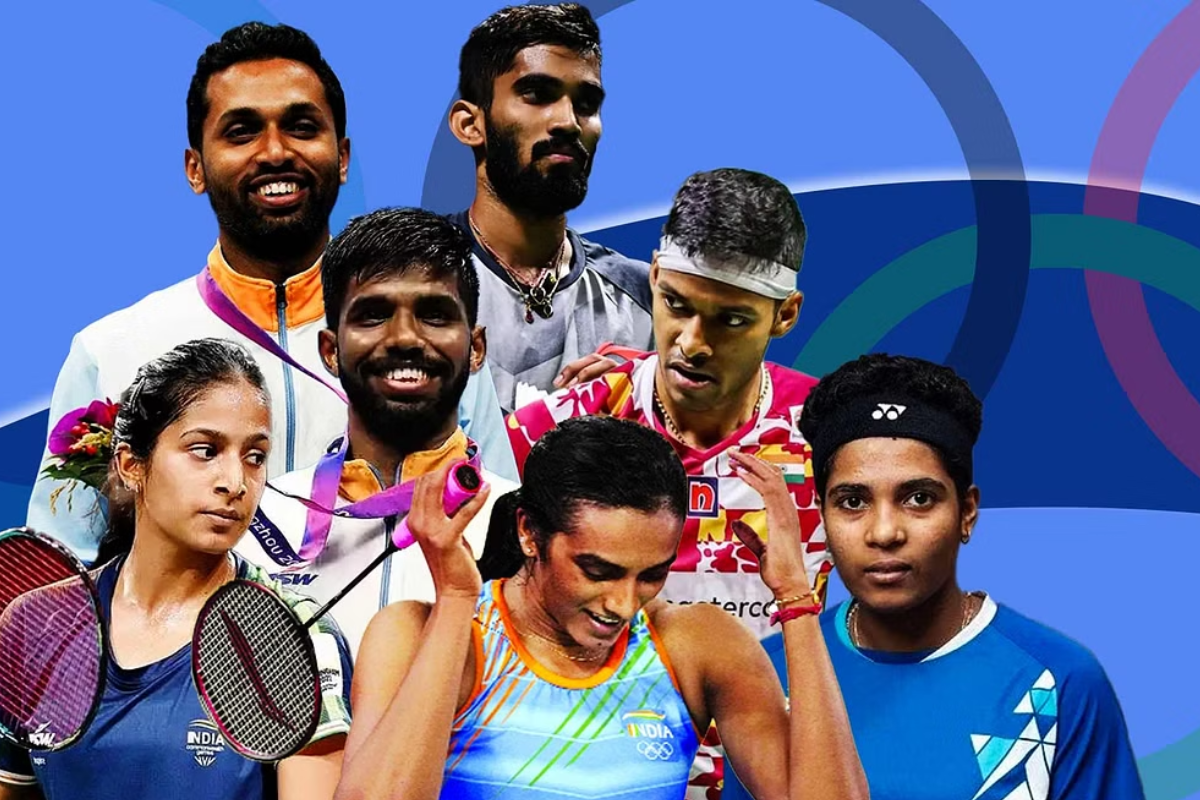
Indian Contingent Gears Up for Paris Olympics 2024: A Story of Dreams and Determination 

Shubham Tyagi |

As the sun rises over the Seine, the air in Paris buzzes with anticipation. The Indian contingent, a vibrant mosaic of athletes, coaches, and support staff, prepares to showcase their prowess at the Paris Olympics 2024. This year, participation of India is not just about medals; it is about stories of resilience, dreams, and the undying spirit that binds a billion hearts back home. 

The Road to Paris 

From the bustling streets of India to the serene backwaters of Bharat, the journey to Paris has been a tapestry. The journey woven with sweat, tears, and unwavering determination. Athletes like Neeraj Chopra, PV Sindhu, and Mirabai Chanu have become household names. They inspire countless young Indians to dream big. 

Neeraj Chopra, the golden boy of Indian athletics, enters Paris with the weight of a India’s expectations. “Winning gold in Tokyo was a dream come true, but Paris is another opportunity to make India proud.” When Chopra said this, his eyes gleaming with determination. For PV Sindhu, the badminton ace, this Olympics is about cementing her legacy. “Every match is a battle, and I’m ready to give my best for India,” she shares, her voice brimming with confidence. 

New Faces, New Hopes of India in Paris 2024 

While familiar faces bring hope, new talents have emerged as beacons of India’s sporting future. Young sprinter Hima Das, known as the “Dhing Express,” embodies the aspirations of countless young athletes from rural India. Her journey from the rice fields of Assam to the grand stadiums of Paris is a testament to the transformative power of sports. 

In wrestling, young prodigy Deepak Punia is set to carry forward India’s rich legacy. “Wrestling is in our blood, and I am here to prove that India is a force to reckon with,” asserts Punia, his voice filled with the grit and determination that defines Indian wrestlers. 

The Spirit of Unity 

The Indian contingent is not just a team; it is a family. Coaches, physiotherapists, nutritionists, and mental health experts work tirelessly behind the scenes. Every support staff ensures that all athletes are in peak condition. Dr. Radhika Sharma, a sports psychologist, emphasizes the holistic approach taken for the Paris Olympics. “Mental well-being is crucial. Our athletes are not just physical powerhouses; they are mentally resilient warriors,” she explains. 

A Nation’s Support 

Back home, the excitement is palpable. Schools, offices, and homes across India are adorned with tricolors, and special screenings are planned in public spaces. Social media is abuzz with messages of support and encouragement, as millions rally behind their heroes. The Prime Minister’s Office has also launched a special campaign, #IndiaInParisOlympics, to boost morale and engage the public. 

The Final Countdown 

As the opening ceremony draws near, the Indian contingent stands ready, united by their dreams and the hopes of a nation. The Paris Olympics 2024 is not just another sporting event; it is a celebration of India’s spirit, resilience, and undying passion for excellence. 

In the words of legendary cricketer Sachin Tendulkar, “The Olympics is where heroes are made, and I believe our athletes will make India proud.” 

The world watches as India takes center stage in Paris, and one thing is certain: the Indian contingent is here to create history. 

Plane crash in Nepal, 18 Died 

Shubham Tyagi |

On Wednesday a plane crashed and caught fire while taking off from Kathmandu, the capital of Nepal, killing eighteen people. The flight, which was heading for Pokhara as part of a routine maintenance check, crashed at about 11:15, a few minutes after it took off from Tribhuvan International Airport.  

On Thursday, the aircraft was supposed to undergo a month-long maintenance schedule. According to Reuters news agency, Saurya Airlines marketing head Mukesh Khanal stated, “It is unclear why it crashed.” 

The pilot, pulled from the flaming wreckage, is the only survivor of the tragic accident and is now undergoing treatment in a hospital. The pilot had lacerations on his forehead and eyes, according to police spokesperson Dan Bahadur Karki, but his life was not in jeopardy. 

Two crew members and seventeen company personnel, including technical staff, were on board the Saurya Airlines test flight. It was headed west, to Pokhara, the popular tourist destination in the Himalayas. The aviation sector in Nepal has a dismal safety record, which has been ascribed to several things over the years, including erratic weather patterns and loose laws. 

Plane Crash

“There was a very loud noise, it sounded like maybe a truck had overturned on the road,” stated a man who was inside a nearby shop at the time of the accident. “We ran after we saw [the crash]. After striking the ground, the aircraft caught fire. We were going to rush to the location, but an explosion happened, so we had to flee once more,” he said to the AFP news agency.  

The plane was captured on camera tilting over the runway and then crashing into the ground, catching fire. It was soon covered in smoke and flames. Pictures showed rescuers sifting through the debris, much of the aircraft completely burned and blackened. Parts of the aircraft appeared to be inside an air freight container in photos taken in the aftermath. Following the incident, ambulances and fire engines were dispatched to the scene. Of the deceased, seventeen were Nepali nationals and one was an engineer by nationality from Yemen. 

Budget 2024: A Closer Look at the Tax Regime Changes  

Shubham Tyagi |

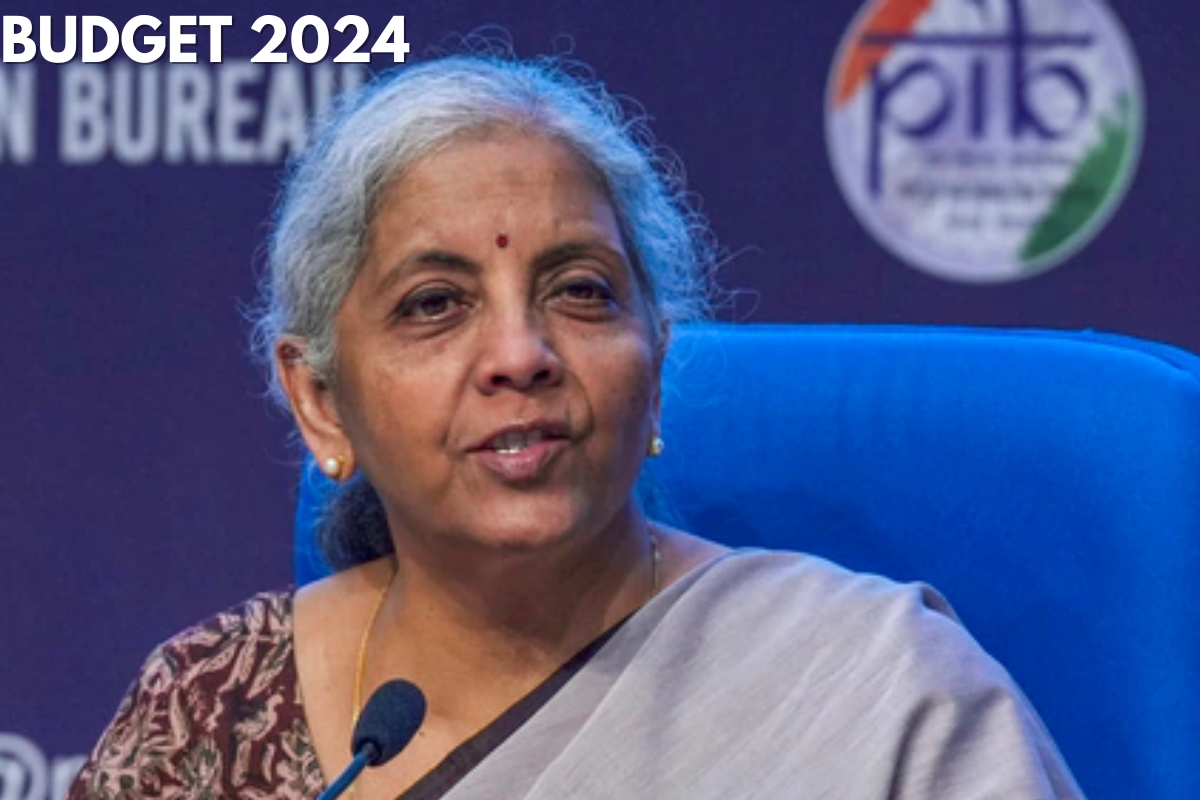
On Tuesday, 23rd July, Finance Minister Nirmala Sitharaman presented the first budget of Modi 3.0. The Indian Budget 2024 has introduced several noteworthy changes aimed at stimulating the economy, fostering growth, and providing relief to taxpayers. This year’s budget focuses on infrastructure development, digital economy, and tax reforms. Let’s delve into the details and understand what these changes mean for you. 

Understanding the Tax Regime: Old vs. New 

Old Tax Regime  

The Old Tax Regime, which has been in place for several years, allows taxpayers to claim various exemptions and deductions to reduce their taxable income. Some of the common deductions include:  

  1. Section 80C: Deductions up to INR 1.5 lakh for investments in PPF, EPF, NSC, ELSS, etc. 
  1. Section 80D: Deductions for health insurance premiums. 
  1. House Rent Allowance (HRA): Exemptions for rent paid. 
  1. Standard Deduction: A fixed deduction from salary income. 

This regime provides significant tax-saving opportunities but requires meticulous planning and documentation. 

New Tax Regime  

Introduced in the Budget 2020, the New Tax Regime offers lower tax rates but eliminates most of the deductions and exemptions available under the Old Tax Regime. The goal is to simplify the tax structure and reduce the compliance burden on taxpayers. The key features include:  

  1. Simplified Tax Slabs: Reduced tax rates across various income brackets. 
  1. No Deductions or Exemptions: Most deductions and exemptions are not available. 
  1. Optional: Taxpayers can choose between the Old Tax Regime and the New Tax Regime based on what suits them best. 

Priorities of Budget 2024 

The finance minister said, for pursuit of ‘Viksit Bharat’, the budget envisages sustained efforts on the following 9 priorities for generating ample opportunities for all.  

  • Productivity and resilience in Agriculture 
  • Employment & Skilling 
  • Inclusive Human Resource Development and Social Justice 
  • Manufacturing & Services 
  • Urban Development   
  • Energy Security 
  • Infrastructure 
  • Innovation, Research & Development and 
  • Next Generation Reforms 

Key Highlights of the Indian Budget 2024  

  1. Income Tax Slabs Revised: The Budget 2024 has revised the income tax slabs under the New Tax Regime, making it more attractive for taxpayers. The new slabs are designed to offer relief to the middle class and encourage more people to opt for the simplified regime. 
  1. Increased Focus on Digital Economy: Significant investments have been announced to boost digital infrastructure, promoting a cashless economy and digital inclusion. 
  1. Infrastructure Development: Enhanced budget allocation for roadways, railways, and urban infrastructure to support economic growth. 
  1. Healthcare and Education: Increased funding for healthcare and education sectors, aiming to improve public health and literacy rates. 
  1. Agriculture and Rural Development: Measures to support farmers and promote rural development, ensuring sustainable growth in these sectors. 

Choosing the Right Tax Regime 

Deciding between the Old Tax Regime and the New Tax Regime depends on your financial situation and tax-saving preferences. Here are a few pointers to help you decide:  

  • Old Tax Regime: Opt for this if you have significant investments in tax-saving instruments and can claim substantial deductions and exemptions. 
  • New Tax Regime: Choose this if you prefer a straightforward tax calculation with lower rates and do not have many deductions to claim. 

The Indian Budget 2024 brings promising changes aimed at economic growth and providing relief to taxpayers. By understanding the differences between the Old Tax Regime and the New Tax Regime, you can make informed decisions that best suit your financial goals. Keep an eye on the latest updates and consult with a tax advisor to optimize your tax planning under the new budget provisions. 

The Geopolitics of Technology: Shifting the economic landscape of India

Shubham Tyagi |

India is not only an essential part of the global tech revolution but is rather leading and redefining the global technology sphere and innovation. The last few decades have proven to be a game changer for India, as it has emerged as a pioneer of innovation and technology. India comprises a large pool of skilled professionals, which resulted in the country seamlessly becoming a global IT outsourcing hub. This innovative movement was further amplified by strategic government initiatives and educational investments. India is the second-fastest digital adopter among 17 major digital economies. 

The nation has transformed the global technological landscape with its monumental contributions to space exploration, fostering an innovative consciousness, and cultivating an impressive IT industry. The rise in startups and remarkable millstones achieved by ISRO are a testament to this fact.  

Initiative on Critical and Emerging Technology (iCET)  

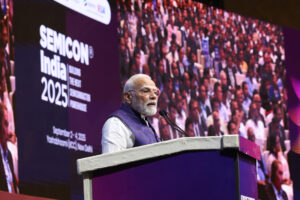
In 2022, India and the US joined forces to launch iCET (Initiative on Critical and Emerging Technology). As the name suggests, the two powerhouses strived to strengthen their collaboration in reforming technology. US President Joe Biden and Prime Minister Narendra Modi agreed to collectively contribute to the tech revolution. Quantum Coordination Mechanism, discussions on telecommunications, exchanges on AI and space, an agreement on a semiconductor supply chain, and the launch of the India-US Defense Acceleration Ecosystem (INDUS-X) in June 2023 have been the notable achievements of this collaboration. 

AI Revolution and Data Analytics  

India is determined to elevate the level of technological advancements by employing artificial intelligence. India is launching an AI mission to aid startups and innovators with more advanced power. The main agenda is to support them in tackling challenges in the healthcare, agriculture, and education sectors. The mission strives to establish strong computing capabilities for AI in India, encouraging startups and entrepreneurs. They significantly contribute to the country’s intellectual capital. Millions of jobs have been created in the IT industry, which consequently produces foreign exchange earnings. Additionally, data analytics have stimulated productivity and enabled data-driven decision-making.  

Goods and Services Tax (GST)

India has fluently employed technology to transform its economy, amplifying its ability to continue growing faster than other major economies. India’s use of technology has also had a positive impact on society and helped to reduce emissions. Technology has redefined the way the capital market functions and the opportunities it provides.  

One major change that propelled the economy of India was in the tax system. The National Goods and Services Tax (GST) is an online system of tax return filing where the back end ensures correct tax credits. This system shifts tax filings from quarterly to monthly, providing the government with steady and regular cash flow. The implementation of GST has the potential to increase India’s GDP growth rate by 0.9% to 1.7%. 

Financial Technology (FinTech)  

India is also paving the path for FinTech (Financial Technology) as it has implemented digital payment systems such as the Unified Payments Interface (UPI) that have revolutionized how the country handles its financial dealings. Financial services have become more accessible, convenient, and inclusive by formalizing the economy.  The emergence of mobile wallets, online banking, and digital lending platforms has driven a “tech-tonic shift” in India.  

Hence, the technological progress of India has had a profound impact on the country’s economy. It plays a key role in global expansion through entrepreneurship and innovation. Furthermore, financial technology has aided in the democratization of technology. It has proven to be a catalyst for economic inclusivity and promoting growth in crucial industries like healthcare, agriculture, and education.

The Impact of Social Media on Indian Literature 

Shubham Tyagi |

When it comes to the changing trends in Indian literature and how it is consumed, it is safe to say that social media has a substantial role to play. Starting from online book clubs, Bookstagram, poetry communities, and digital publishing, social media has revolutionised literature. Platforms such as Instagram, X, YouTube have proved to be pivotal in changing the dynamics of literature. Moreover, we can also establish changing hikes in the different areas under the umbrella of literature in India. Be it writing trends, creation of possibilities for authors, generating more leads, formulating a community, or paving way for more accessibility, social media has done it all. Let’s delve more into the impact of social media on literature and know what is happening in this wonderful world: 

What are the upcoming trends in literature? 

The rise of users in Instagram and YouTube has resulted in the rise of content creators. While many content creators are divulging towards fashion and lifestyle, many are dedicating their time to literature and literary content. With Instagram and YouTube being the top social media platforms in India, Bookstagram and BookTube are specific subgenres of literary content creation. While Bookstagram is all about book reviews and its community of reviewers over Instagram, BookTube is the same, but on YouTube. These reviewers and content creators have become influential in shaping literary tastes, create engaging content, and opening a new literary world. This whole subgenre has led to the democratisation of book recommendations, divorcing from traditional critics to grassroot-level individuals.  

Moreover, keeping in mind the audience and their needs, more and more authors are tilting towards crisper plots and story lengths. Social media has given rise to short-form literature, and upcoming themes such as Y/A narratives, rom-com, coming of age, and romance. In addition, themes such as horror, thriller, supernatural elements, and crime expertise, are also on the rise. Flash fiction is one of the major byproducts of the impact of social media on literature. Moreover, social media allows writers to instantly publish their work, and fostering a dynamic literary environment.  

How has digital publishing fostered the impact of social media on Indian literature? 

Digital publishing has allowed individuals to publish their work independently. This has led to the proliferate growth of the self-published books’ market. With platforms like Amazon Kindle Direct Publishing enabling authors to publish independently, 2024 has seen tremendous progress in the market. Moreover, self-publishing has lowered the barriers to entry for aspiring writers and has fostered the overall impact of social media on literature. Self-publishing allows people to also form communities around their work, build a wider audience reach, and spread word however they like. In fact, most aspiring authors rely on social media for recognition and audience. This suggests that social media and book reviewers are an essential part of the Indian literary sector. Book reviewers and their work has paved the way for more and more rising authors to find their footing and audience. In addition, it has also helped readers find what they are looking for. 

How have authors garnered a wider audience?

 
Through the widespread impact of social media on Indian literature, authors have garnered a wider audience by catering to the needs of their readers. Most authors, these days, interact with their audience through social media tools such as livestreams, QnA sessions, and interaction through DMs and comment sections. Moreover, authors are even widening their perspectives through moderated sessions over platforms like Reddit. Be it Instagram, YouTube, Reddit, or X, every platform is creating something new for the literary sector of India. This impact of social media on literature has changed the overall literary scene in India, wherein, several changes such as writing trends, audience centric ideas, and more author-audience interactions are noted.  

Heat Wave Hair Hacks: Summer Protection Tips

Devendra Khati | Updated :

The summer season has been unlocked with beaches, picnic road-trips, sundresses, melting ice-creams and cocktails. However, with the onset of summer, the terror of the heatwave also arrives, ready to damage our hair. The brazen rays of sunlight and salty air have us re-applying our sunscreen and perfume. But the maintenance of our luscious locks can unfortunately be over-looked. Here’s a guide to heatproof your beautiful tresses in 5 ways.

1) Hair Trimming
Regular trims are hair’s best defence mechanism against damage. It is advised to get your ends snipped every 6-8 weeks which minimizes split ends and broken strands. As sun exposure causes split ends, a routine visit to the salon will ensure an even texture and fresh look. Without regular trims, summer takes a greater toll through breakage.

2) Short-Summer Hairstyles
This season invest in a fresh new look by donning a pixie or a bob! This year has seen the rising trend of the long bob haircut styed by many celebrities. Not only is this a great way of beating the heat but also an efficient way to surf on the new wave of fashion. So, make sure to get an appointment at your salon right away.

3) Brazilian Blowout
When it comes to combatting frizzy hair in the summer, the Brazilian Blowout is the best choice for achieving an Instagram worthy look. This innovative salon service infuses your hair with a protective protein layer that shields it from humidity. The Brazilian Blowout works on all hair types and can elevate your style game.


4) Deep Conditioning
Deep conditioning is the best remedy to nourish damaged hair. Professional conditioning treatments from a hair salon is a great choice for the summers. This practise helps to sustain the hydration of the hair and also repairs heat damage.

5) Invest in Anti-Frizz Hair products
Carefully selecting and investing in a frizz free haircare range is a necessity to retain the moisture of the hair. Majority of salons offer a wide range of products catering to different hair concerns. The ant-frizz range is highly recommended by haircare professionals during the summer season.

These haircare and hairstyling tips will ensure the condition of your precious tresses. To beat the heat, invest in proper and suitable hair care range and products. However, the techniques used by professional haircare specialists remains unmatched. As the treatments are performed by trained stylists using high-end brands and exclusive range of personalized products. The Top Knot Salon which is the most highly rated salon in Lucknow is a great destination for haircare treatment and hairstyling services. Top Knot Salon protects your tresses without compromising on its looks. Equipped with all the international tools and techniques, they always succeed in delivering a pampering experience to its customers. The salon treatment also ensures a deep nourishment to the scalp and thereby maximizing hair quality. If you are looking to revive your damaged hair, Top Knot Salon is the solution.

Sustainable Steps: NoStrain offers eco-friendly sliders for women 

Devendra Khati |

Fast fashion has been on the rise in contemporary society, and it is the environment that must face the dire consequences of this disastrous trend. The footwear industry is also accountable for contributing to environmental pollution. However, NoStrain emerges as a trailblazer in the realm of the footwear industry. It is founded on the principles of combining style with sustainability. The innovative brand has employed natural fibers and EVA, for their stunning collection of eco-friendly sliders designed exclusively for women. Additionally, they extend their commitment to being eco-friendly even to the packaging of their products. NoStrain is a revolutionary brand that is busting the myth that fashion and sustainability cannot co-exist.  

From the monsoon-drenched roads to urban escapes, these elegant sliders provide comfort and style with each step. The sliders for women are crafted from sustainable materials, that are designed with fine craftsmanship. The exclusive range is marked by versatility, they can be paired with a summer dress or a casual pair of denims. Whether it is a day event or a night trip, these sliders can effortlessly transition from day to night. NoStrain sliders for women are a style statement. Moreover, the sliders are aligned with the spirit of modern women, as they prepare to take on the world. It celebrates and empowers self-expression through fashion, comfort, and innovation. The confluence of luxurious style and sustainability join forces in NoStrain’s exclusive array of sliders.    

Additionally, the consumer community has different designs to choose from in the slider collection. Whether it is the polished look of linen, the urban chicness of denim, or the luxurious look of canvas. NoStrain has designed sliders in three different materials, catering to the different style needs of women. Moreover, the eco-friendly brand also offers an array of colorful choices to choose from.  

The sliders are crafted with sustainability as the top priority. Down to their sole, the sliders have been designed with meticulous care. High-quality materials are employed to deliver maximum comfort. The sole is made from eco-friendly substances like sugarcane and EVA. The sliders can be personalized with adjustable straps. The upper straps are adjustable, in addition to being made of natural fabric. The sliders have been crafted keeping durability and longevity in mind. The sole has passed three different durability tests, in addition to being lightweight. For everyday tasks and daily use, the sliders will prove to be the most prized possession for customers. The sliders are designed to keep the feet happy.  

Moreover, it has an arch support, so the feet are comfortable for the entire day. It is imperative to not compromise on comfortability while wearing footwear throughout the day. The washability feature of these slides is a testament to this fact. NoStrain sliders ensure a walking experience that feels like a luxurious embrace. The versatility of this collection is extravagant, illustrating how comfort can seamlessly coexist with contemporary fashion sensibilities. These sliders have established themselves as footwear essentials that promise to elevate your stride with effortless elegance and uncompromising comfort. 

The rise in consumerism disastrously contributes to environmental pollution. Therefore, NoStrain goes beyond fast-fashion; it embodies a philosophy rooted in innovation and sustainability. From using organic materials to having sustainable packaging, they set a new standard for eco-conscious fashion without compromising on style. NoStrain has launched a revolutionary eco-conscious movement against the perils of fast fashion. They empower individuals to make informed decisions, fostering a community of conscious consumers who appreciate both the artistry and ethics behind each pair of shoes. As the world shifts towards more eco-friendly practices, NoStrain stands at the forefront, a beacon of hope for the fashion industry, one stylish step at a time.  

Joe Biden gave up on reelection against Donald Trump

Shubham Tyagi |

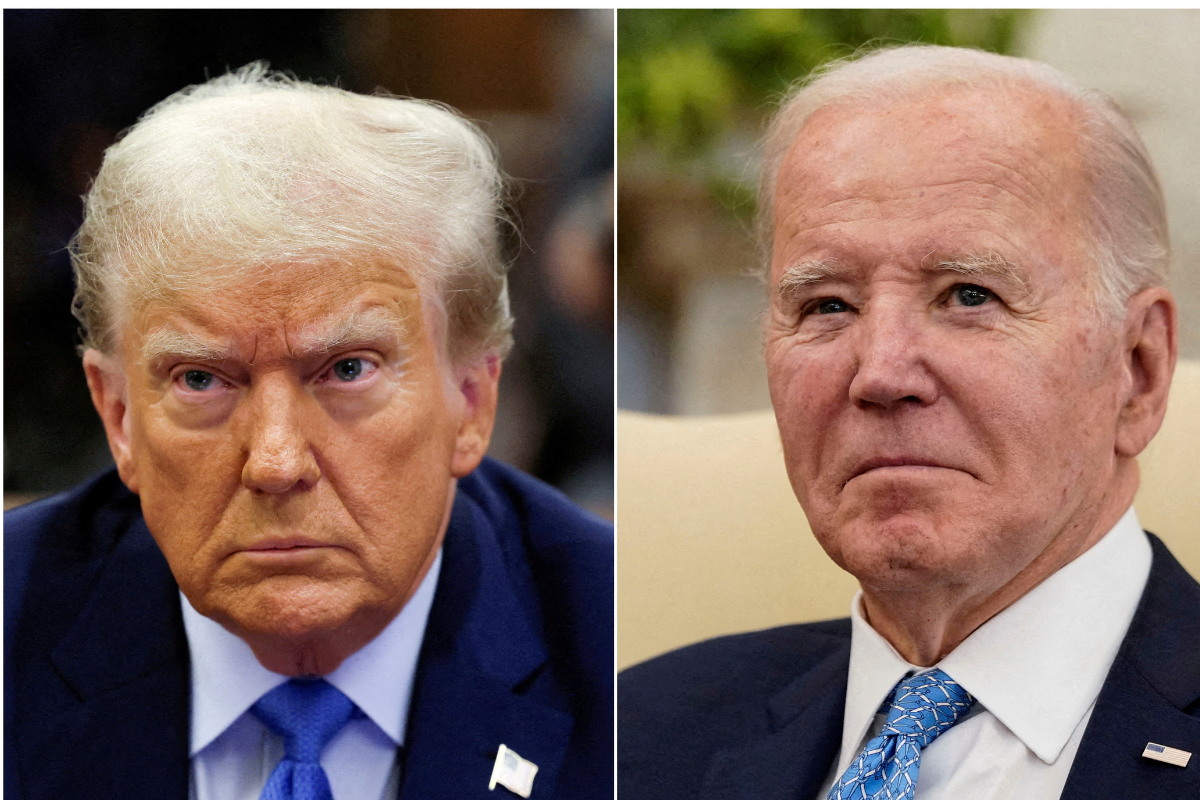
Sunday brings shockwaves to global politics when US President Joe Biden announced that he is not running for reelection. The incumbent president decides he do not put his name against former president Donald Trump in the upcoming US election of 2024. Following his announcement of his resignation, Joe Biden supported Vice President Kamala Harris as the Democratic Party’s nominee for president.  

The reason behind the decision is Joe Biden’s poor debate performance against Donald Trump. For which the Republican Party’s constant taunting of him for his “inability” to serve another term as president led to his decision to withdraw from the presidential contest. Numerous Democratic lawmakers urged Joe Biden to drop out of the race for president following the debacle in the debate. 

Vice President Kamala Harris was the first person to receive a call from Joe Biden on Sunday, announcing his withdrawal from the race for reelection, according to The Washington Post. Additionally, Joe Biden had one-on-one meetings with Jen O’Malley Dillon, his campaign chair, and White House Chief of Staff Jeff Zients. 

For the US president to brief the White House and Joe Biden’s campaign staff on his decision, Zients scheduled a meeting for 1:45 p.m. At about 2:30 pm on Sunday, the chief of staff formally announced the same to every member of the White House staff. 

Over the course of several meetings at the president’s vacation home over the weekend, Biden made his decision in consultation with White House counselor Steve Ricchetti, senior campaign adviser Mike Donilon, deputy chief of staff Annie Tomasini, and senior adviser to first lady Anthony Bernal, according to The Washington Post. 

Joe Biden’s reelection bid was ended 

Following his disastrous June 27 debate performance against Donald Trump, there were increasing calls for Joe Biden to resign as the US presidential nominee. The American president attributed his lackluster performance to jet lag and foreign travel, but the Democratic Party’s grassroots members pushed him to withdraw from the contest. 

Over the past week, there has been growing opposition to Biden’s campaign within his party. Thirty-six congressional Democrats, or more than one in eight, have publicly called on him to withdraw due to concerns about his mental health.