Logo

Logo

Top Social Media Trends to Watch in 2024: How to Stay Ahead

Shubham Tyagi |

In the ever-evolving world of social media, staying ahead of trends is crucial for both personal branding and business success. As we navigate through 2024, several key trends are reshaping the digital landscape. From new platforms to shifting user behaviors, understanding these trends can help you connect more effectively with your audience and enhance your online presence. Here’s a comprehensive look at the social media trends that are set to dominate this year. 

Rise of Short-Form Video Content 

Short-form videos continue to captivate audiences and dominate social media feeds. Platforms like TikTok, Instagram Reels, and YouTube Shorts have made quick, engaging videos as the go-to format for content consumption. In 2024, this trend is set to grow even stronger. Brands and creators are focusing on bite-sized content that delivers value quickly, whether through entertainment, tutorials, or bite-sized insights. 

Why It Matters: Short-form videos are not just popular but highly effective for engagement. They offer a quick way to capture attention and drive interaction. Marketers should invest in creating snappy, visually appealing content that resonates with their target audience. 

Increased Focus on Privacy and Data Protection 

With growing concerns about data privacy, social media platforms are making changes to enhance user security. Expect to see more features aimed at protecting user data, along with increased transparency from companies about how data is used. This trend is driven by rising privacy regulations and user demand for greater control over their information. 

Why It Matters: For businesses, maintaining transparency and ensuring compliance with privacy laws are essential. Building trust with your audience by prioritizing data protection can set you apart and foster long-term relationships. 

The Emergence of New Social Media Platforms 

While established giants like Facebook and Instagram continue to thrive, new platforms are gaining traction. For instance, platforms focused on niche communities or innovative features are emerging and attracting significant user bases. Staying informed about these new players can provide fresh opportunities for engagement and growth. 

Why It Matters: Being an early adopter of new platforms can give you a competitive edge. Experimenting with emerging social media channels allows you to reach untapped audiences and stay ahead of trends. 

Social Commerce on the Rise 

Social commerce—the integration of e-commerce with social media—continues to grow. Features like shoppable posts and live-stream shopping events are becoming mainstream, allowing users to purchase products directly from social media platforms. This trend is transforming how people shop, blending the social experience with online buying. 

Why It Matters: For retailers and brands, leveraging social commerce can drive sales and enhance customer experience. Incorporating seamless shopping features into your social media strategy can boost conversion rates and streamline the purchasing process. 

Increased Use of Augmented Reality (AR) 

Augmented reality (AR) is making waves across social media, with platforms like Snapchat and Instagram offering AR filters and effects. In 2024, AR is expected to become even more sophisticated, providing immersive experiences for users. This technology enhances user engagement by creating interactive and personalized content. 

Why It Matters: Utilizing AR in your social media strategy can differentiate your brand and increase user engagement. Interactive experiences and innovative content can capture attention and leave a lasting impression. 

Authenticity and Transparency 

Consumers are increasingly seeking authenticity from brands and influencers. They prefer genuine, relatable content over polished, scripted messages. In 2024, this trend will continue as audiences demand more transparency and realness from their favorite brands and personalities. 

Why It Matters: Embracing authenticity can build stronger connections with your audience. Being transparent about your values, practices, and even challenges can foster trust and loyalty, setting your brand apart in a crowded market. 

AI-Powered Content Creation 

Artificial intelligence (AI) is transforming content creation by automating processes and providing insights into user preferences. From chatbots that enhance customer service to tools that generate content ideas, AI is becoming an integral part of social media strategies.  

Why It Matters: Leveraging AI can streamline content creation and improve targeting. It allows for more personalized interactions and data-driven decisions, enhancing overall efficiency and effectiveness. 

As we dive into 2024, staying updated on social media trends is essential for leveraging the power of these platforms effectively. From short-form videos and social commerce to privacy concerns and AI innovations, understanding these trends can help you navigate the dynamic digital landscape with confidence. 

By embracing these trends and adapting your strategies accordingly, you can enhance your online presence, engage more effectively with your audience, and drive meaningful results. Stay ahead of the curve and make the most of the opportunities that social media has to offer in 2024,  

Halloween; Date, Origin, History & Traditions

Shubham Tyagi |

Halloween, celebrated on October 31st, is a time of year when the ordinary becomes extraordinary. From ghoulish costumes to sweet treats, this festive occasion invites people of all ages to embrace their spooky side. In this guide, we will explore the origins of Halloween. Its evolving traditions, and tips to make your Halloween both memorable and fun.

Origin of Halloween

Halloween traces its roots back to ancient Celtic festivals, particularly Samhain (pronounced “sow-in”), a celebration marking the end of the harvest season and the beginning of winter. The Celts believed that on the night of Samhain, the boundary between the living and the dead was blurred, allowing spirits to roam the earth.

When the Romans conquered Celtic territories, they incorporated Samhain with their own festivals, such as Feralia, which honored the deceased, and Pomona, the goddess of fruit and trees. By the 9th century, the Christian church established November 1st as All Saints’ Day, or All Hallows’ Day, to honor saints and martyrs. The night before became known as All Hallows’ Eve, eventually shortened to Halloween.

Traditional Customs

Trick-or-Treating: One of the most iconic Halloween traditions, trick-or-treating, has its origins in medieval England. Children would go door-to-door asking for “soul cakes” in exchange for prayers for the deceased. Over time, this practice evolved into the modern-day trick-or-treating, where kids dress in costumes and collect candy.

Carving Pumpkins: The tradition of carving pumpkins is believed to have originated from the Irish myth of “Stingy Jack.” According to the legend, Jack was an unsavory character who tricked the devil and was condemned to roam the earth with only a carved turnip to light his way. When Irish immigrants came to America, they found pumpkins to be a better choice due to their size and ease of carving.

Haunted Houses: The concept of haunted houses and spooky attractions has become a staple of Halloween festivities. These haunted experiences draw from the eerie tales of ghostly apparitions and haunted locales, offering thrills and chills for visitors seeking a good scare.

Halloween Parties: From costume contests to themed decorations, festival parties have become a popular way to celebrate. Hosts often go all out with creative themes, spooky music, and Halloween-inspired treats.

Modern Halloween Trends

Costume Evolution: Modern Halloween costumes range from classic monsters like vampires and witches to contemporary pop culture icons. Whether you’re crafting a DIY costume or buying a ready-made outfit, the key is to embrace creativity and individuality.

Inclusive Celebrations: Today, Halloween is celebrated by people of all ages and backgrounds. Many communities host inclusive events, such as trunk-or-treats or pumpkin carving contests, to ensure everyone can partake in the festivities.

Eco-Friendly Practices: With increasing awareness about environmental issues, many are turning to eco-friendly Halloween practices. This includes using sustainable decorations, reducing plastic waste, and opting for reusable costumes.

Tips for a Memorable Halloween

Plan: Start planning your activities early. This includes organizing costumes, decorating your home, and setting up any Halloween-themed events or parties.

Safety First: Ensure that trick-or-treating is safe by accompanying children, using reflective gear, and staying within familiar neighborhoods. For those hosting parties, have clear guidelines for food allergies and provide a safe environment for all guests.

Get Creative: Don’t be afraid to think outside the box. Create unique decorations, try out new recipes for Halloween-themed treats, and come up with inventive costume ideas to make your celebration stand out.

Respect Traditions: While embracing modern trends, it’s also important to honor and respect the historical and cultural aspects of Halloween. Understanding its origins adds depth to the celebration and connects us to its rich history.

Halloween offers a unique blend of history, tradition, and modern fun. By understanding its origins, embracing its evolving customs, and celebrating with creativity and safety in mind, you can make this festival a truly spooktacular event. So, whether you’re trick-or-treating, hosting a haunted house, or simply enjoying the festive spirit, it is the perfect time to let your imagination run wild and enjoy the magic of the season.

Top 5 Most Controversial Bollywood Movies

Shubham Tyagi |

Bollywood has long been a canvas for storytelling, often reflecting the diverse and dynamic culture of India. However, the industry’s attempt to tackle sensitive and provocative themes has sometimes resulted in fierce debates and controversies. Recently, the release of Kangana Ranaut’s film *Emergency* has been postponed once again. Adding another layer to the ongoing discussion about Bollywood’s role in addressing contentious issues. This delay highlights the complex relationship between cinema, politics, and societal norms. Here, we delve into five of the most controversial Bollywood movies that have sparked intense debates and polarized audiences. 

5 most controversial Bollywood movies

The Kerala Stories 

The film “The Kerala Story” has been a subject of significant controversy and debate in India. Released in 2023, it purports to tell the story of 32,000 women from Kerala. Who were allegedly converted to Islam and recruited by ISIS. The film’s portrayal of these events has sparked heated discussions on several fronts such as political & religious.  

The Kashmir Files 

“The Kashmir Files,” a 2022 Indian film directed by Vivek Agnihotri, has been at the center of significant controversy and debate. The film portrays the exodus and persecution of Kashmiri Pandits during the late 1980s and early 1990s. It was a period marked by violent insurgency in Jammu and Kashmir. The main aspects of the controversy surrounding the film are historical and religious aspects. “The Kashmir Files” highlights the challenges and sensitivities involved in addressing historical and political issues. Its controversy reflects broader societal debates in India. 

Batla House 

“Batla House,” a 2019 film directed by Nikkhil Advani. It is a Bollywood drama that delves into the aftermath of the Batla House encounter, a real-life police operation that took place in 2008 in Delhi. The film stars John Abraham as a police officer involved in the encounter. Which was a significant and controversial event in Indian law enforcement history. The Batla House encounter involved a shootout between the police and alleged terrorists in the Batla House area of Delhi. The police claimed they were targeting members of the Indian Mujahideen (IM), a banned terrorist organization. However, the encounter was contested by some as being staged or problematic. The film portrays the encounter as a heroic police operation, which has led to accusations that it presents a one-sided narrative. 

Padmavat 

“Padmaavat,” a 2018 film directed by Sanjay Leela Bhansali, was one of the most controversial films in recent Indian cinema. Based on the epic poem “Padmavat” by Malik Muhammad Jayasi. It stars Deepika Padukone, Shahid Kapoor, and Ranveer Singh. The film was accused of distorting historical facts and misrepresenting cultural and religious aspects of the Rajput community. Some Rajput groups claimed that the film depicted historical figures and events in a way that was disrespectful and offensive to their heritage. 

Udta Punjab 

“Udta Punjab,” a 2016 film directed by Abhishek Chaubey, is another example of a film that sparked significant controversy. The film, which stars Shahid Kapoor, Alia Bhatt, Kareena Kapoor Khan, and Diljit Dosanjh, deals with the issue of drug abuse in Punjab, India. The film faced a protracted battle with the Central Board of Film Certification (CBFC) over its content. The CBFC initially demanded numerous cuts and changes, citing concerns over the portrayal of drug use and the potential for the film to harm the image of Punjab. The filmmakers and the film’s producers, including Anurag Kashyap, argued that these demands were excessive and infringed on their creative freedom. 

The controversies surrounding these Bollywood films underscore the challenges filmmakers face when tackling sensitive subjects. As the postponement of Kangana Ranaut’s *Emergency* continues to make headlines, it is a reminder of the complex interplay between cinema, politics, and societal values. Each of these films has left an indelible mark on the Indian film industry and sparked crucial conversations about freedom of expression, historical memory, and cultural sensitivity. As Bollywood continues to evolve, it will be interesting to see how future films navigate these contentious issues and contribute to the ongoing dialogue in Indian society. 

Mirzapur season 3 bonus episode is out on Amazon Prime

Shubham Tyagi |

Following the enormous popularity of the most recent season of “Mirzapur,” Amazon Prime has announced that it will release the third season’s bonus episode and has made reference to Divyendu Sharma’s character Munna Tripathi’s comeback.  With the publication of a promo for the extra episode on the streaming site, people are conjecturing about the possible return of Munna Bhaiyya, the beloved figure from Mirzapur. 

Fans asked for his return to the program once Season 3 debuted, returning Bhaukaal into the “Mirzapur” milieu. Pankaj Tripathi, Ali Fazal, Shweta Tripathi Sharma, Rasika Dugal, Vijay Varma, Isha Talwar, Anjumm Sharma, Priyanshu Painyuli, Harshita Shekhar Gaur, Rajesh Tailang, Sheeba Chadha, Meghna Malik, and Manu Rishi Chadha are among the outstanding cast members of the Gurmmeet Singh and Anand Iyer-directed Mirzapur season 2. 

Divyenndu Sharma previously stated this year that he is not a part of the most recent season. The actor declared in an interview with Humans of Bombay that he would not be appearing in Mirzapur Season 3. It had a significant impact on my personality when I was in character. It is difficult to go too deeply into a character, thus we shouldn’t overly romanticize it. The character used to get extremely gloomy for me at times. I experienced suffocation. You are in that zone without even realizing it since it is so subtle. You don’t realize how black it was until you’re through with it. 

Sharma gained prominence with Mirzapur, but he is most recognized for his appearances in the films Pyaar Ka Punchnama, Dilliwali Zaalim Girlfriend, and Toilet: Ek Prem Katha. The actor became well-known in the industry thanks to the series.  

When will the bonus episode of Mirzapur be available? 

The bonus episode is aired on Amazon Prime OTT on 30th August 2024.  

Mirzapur 

Amazon Prime Video offers streaming for the action-crime series Mirzapur. The show is set in the central region of Uttar Pradesh and is produced by Excel Entertainment, owned by Farhan Akhtar. The protagonist of the tale is Pankaj Tripathi’s Akhadanan Tripathi, also known as Kaleen Bhaiyya. Who is also known as the Bahubali of Mirzapur.  

Google-Doodle: Saluting the Spirit of Wheelchair Basketball

Shubham Tyagi |

Google’s choice to honor wheelchair basketball with a Doodle during the 2024 Paralympic Games underscores the sport’s importance on a worldwide scale. This Doodle is more than just an illustration. It’s a celebration of the tenacity and camaraderie that characterize wheelchair basketball. In addition, the Doodle promotes awareness of sport and the Paralympics as an instructional tool. This Doodle may be the first wheelchair basketball introduction for a great number of individuals worldwide appreciating their curiosity and motivating them to find out more about the players and their tales.

Wheelchair basketball is gaining more attention as the globe gets ready for the 2024 Paralympic Games in Paris. On August 30, 2024, Google, which is well-known for its creative and topical homages, unveiled an enthralling Doodle that celebrated the spirit, vigor, and will of wheelchair basketball players. This tribute not only considers the history of the sport and its place in the Paralympic movement. However, it also tells the inspirational tales of athletes who have surmounted great obstacles to compete internationally.

History of Paralympic Basketball

Wheelchair basketball was invented in 1946 by wounded soldiers from World War II (WW2). According to the International Paralympic Committee, it was created in the US in 1946 by wounded WW2 soldiers. The majority were formerly fit players who wished to carry on with the game. The sport expanded throughout the US. Eventually the world thanks to a few straightforward modifications and minor regulation changes for participants in wheelchairs. The first official Paralympic Games were held in Rome in 1960, the year the sport made its debut at the Games.

In recent times Wheelchair basketball gained popularity at a very rapid pace. It was developed from a regulated competitive sport to a therapeutic exercise. It has grown to be a significant Paralympic competition, displaying both collaboration and athleticism. The sport has developed tremendously over time. And drawing athletes from all over the world and rising to prominence as one of the Paralympic Games’ most watched events.

Understanding the Basics of Stock Market Investing

Shubham Tyagi |

Imagine the stock market as a bustling city full of opportunities. Every day, people from all walks of life come together to buy and sell pieces of companies, hoping to increase their wealth. It might seem like a maze at first, but once you understand the basics, it’s like discovering a hidden treasure map. Whether you are dreaming of a secure retirement or simply looking to make your money work harder for you, diving into the stock market can be both exciting and rewarding. Let’s take a closer look at how you can start your investment journey and navigate this vibrant financial landscape. 

What Is the Stock Market? 

The stock market is like a giant marketplace where people buy and sell shares of companies. Think of it as a big auction where companies sell small parts of themselves, called “shares,” to raise money. When you buy shares, you own a tiny piece of that company. If the company does well, the value of your shares might go up. If the company struggles, the value might go down. 

Why Invest in Stocks? 

Investing in stocks is a way to grow your money over time. Historically, stocks have provided higher returns compared to other types of investments like savings accounts or bonds. However, they also come with risks. The value of your shares can go up and down, and there’s no guarantee you’ll make a profit. 

How Do You Start Investing?  

Educate Yourself: Before you invest, it’s important to learn about the stock market and different types of investments. There are many resources online, including articles, videos, and courses that can help you understand the basics. 

Set Financial Goals: Determine what you want to achieve with your investments. Are you saving for retirement, a major purchase, or just trying to grow your wealth? Your goals will help guide your investment choices. 

Open a Brokerage Account: To buy and sell stocks, you need to open an account with a brokerage firm. There are many online brokers that offer easy-to-use platforms and low fees. Choose one that fits your needs and budget. 

Start Small: If you’re new to investing, it’s wise to start with a small amount of money. This way, you can learn how the market works without risking too much. 

Types of Stocks 

Common Stocks: These are the most common type of shares. When you buy common stock, you get voting rights at company meetings and may receive dividends, which are payments made to shareholders from the company’s profits. 

Preferred Stocks: These shares usually don’t come with voting rights, but they often pay fixed dividends and have a higher claim on assets if the company goes bankrupt. 

Risk and Reward 

Investing in stocks can be risky. The value of your investments can fluctuate based on various factors, including company performance, economic conditions, and market trends. It’s important to understand that you might lose money, especially in the short term. 

To manage risk, consider diversifying your investments. This means spreading your money across different types of stocks or other investments. Diversification helps reduce the impact of poor performance in one area on your overall portfolio. 

Long-Term Investing 

One of the best strategies for investing in stocks is to think long-term. Instead of trying to make quick profits, focus on investing in solid companies and holding onto your shares for many years. Over time, the stock market has tended to grow, despite short-term ups and downs. 

Research and Analysis 

Before buying any stock, do some research. Look at the company’s financial health, including its earnings, debts, and overall performance. Many brokers offer tools and resources to help you analyze stocks and make informed decisions. 

Investing in the stock market can be a rewarding way to build wealth, but it’s important to approach it with knowledge and a clear strategy. Start by educating yourself, setting goals, and investing small amounts as you learn. Remember, investing is a long-term game, and patience is key. With careful planning and a bit of research, you can start on a path toward financial growth and security. 

Top 5 Indian Foods You Must Try: A Flavorful Journey

Shubham Tyagi |

India’s food scene is as diverse and lively as its culture. Imagine a place where every meal offers something new—from spicy street snacks to rich, creamy dishes. Whether you’re a big fan of food or just curious about trying something different, Indian cuisine has something to offer everyone. Each dish tells a story of its region and history, making your taste adventure both exciting and delicious.  

Ready to explore? Here are the top 5 Indian foods you definitely need to taste. 

1. Butter Chicken 

 Butter Chicken, or Murgh Makhani, is a creamy, savory dish made with marinated chicken cooked in a rich tomato-based sauce. The dish is known for its velvety texture and mildly spicy flavor, thanks to a blend of spices and a generous amount of butter and cream. Butter Chicken is often considered the poster child of Indian cuisine, especially in Western countries. Its balance of spicy, sweet, and creamy flavors makes it universally appealing. Served with naan or basmati rice, it’s a comforting and delicious meal that showcases the magic of Indian spices. 

2. Biryani 

Biryani is a fragrant rice dish cooked with layers of marinated meat (often chicken, mutton, or beef) and spices. Each region in India has its own version of biryani, from the spicy Hyderabadi biryani to the flavorful Kolkata biryani. Biryani is not just a meal; it’s an experience. The aromatic spices, tender meat, and perfectly cooked rice come together to create a dish that’s both satisfying and exotic. It’s perfect for special occasions or when you simply want to indulge in something extraordinary. 

3. Masala Dosa 

Masala Dosa is a popular South Indian dish consisting of a thin, crispy rice crepe stuffed with a spicy potato filling. Served with coconut chutney and sambar (a tangy lentil soup), it’s a beloved breakfast option across India. The combination of a crispy dosa with a spicy, flavorful potato filling and tangy chutneys is a treat for the taste buds. It’s a great example of South Indian cuisine and offers a delightful mix of textures and flavors. 

4. Chole Bhature 

Chole Bhature is a North Indian favorite featuring spicy chickpea curry (chole) paired with fluffy, deep-fried bread (bhature). It’s a hearty and indulgent dish commonly enjoyed as a breakfast or brunch option. Chole Bhature is a flavor-packed meal that combines the rich, spicy notes of chickpea curry with the crispy, airy bhature. It’s a comforting and filling dish that represents the robust flavors of North Indian cooking. 

5. Rogan Josh 

Rogan Josh is a traditional Kashmiri dish made with tender pieces of lamb or goat cooked in a rich, aromatic sauce with a blend of spices. The dish is known for its deep red color, which comes from the generous use of Kashmiri red chili powder. Rogan Josh is a testament to the culinary traditions of Kashmir. Its rich, spicy flavor and tender meat make it a standout dish in Indian cuisine. Served with rice or naan, it’s a luxurious and comforting meal that’s sure to impress. 

Indian foods are more than just dishes; they’re a reflection of the country’s diverse cultures, histories, and regional influences. The use of spices, herbs, and unique cooking techniques make each dish a memorable experience. Whether you’re enjoying the creamy richness of Butter Chicken or the spicy kick of Chole Bhature, Indian cuisine offers a sensory adventure that’s hard to forget. 

Exploring Indian food is like taking a journey through the country’s rich cultural tapestry. Each dish tells a story and offers a taste of India’s culinary heritage. So, whether you’re cooking at home or dining out, make sure to savor these top 5 Indian foods and enjoy the flavors that have captivated taste buds around the world. If you’re ready to dive into Indian cuisine, start with these dishes and let your palate explore the wonderful world of spices and flavors. Happy eating! 

Diwali 2024 Date and Timings: Witness a Symphony of Lights and Legends

Shubham Tyagi |

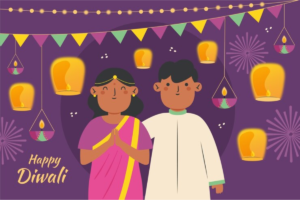
At the core of India’s rich heritage of culture and traditions lies Diwali, which is also known as the Festival of Lights. A celebration like no other, where homes are adorned with exquisite rangoli patterns and shimmering oil lamps bearing the promise of prosperity, echoing the victory of good over evil. The vibrant fireworks dazzle against the night sky, ushering in the wave of togetherness. The vivid array of Indian delicacies and sweets being exchanged between loved ones. The festival is a feast for the senses, a true grand celebration of India’s ancient mythology. The auspicious day when Lord Rama returned to Ayodhya and was welcomed in a symphony of lights. This grand five-day celebration is a cultural extravaganza of lights and legends. So, let’s deep dive into this article and know the dates of Diwali 2024.

However, Diwali’s significance extends beyond its vibrant display to its deep cultural and religious meanings. Each day of the festival is marked to worship different deities. The first day, Dhanteras, honors wealth and prosperity, while the second day, Choti Diwali, involves preparing for the main festivities. The third day, the grand Diwali night, is dedicated to goddess Lakshmi, and the fourth day, Bhai Dooj, celebrates the bond between brothers and sisters. Hence, the day of Diwali is preceded by much preparation and enthusiasm, with the hope that Goddess Lakhsmi will visit the homes of her devotees.  

When is Diwali 2024: Date and Timings 

Diwali or Deepawali is a five-day-long celebration. It begins with Dhanteras and ends with Bhai Dooj. It falls on the darkest night of the year in the Hindu month of Kartik, called Kartik Amavasya.  

Diwali is celebrated in the months of Ashvin and Kartika, which typically falls between mid-October and mid-November. According to the ancient Hindu calendar, Diwali is observed annually on Amavasya, the fifteenth day of the month of Kartik. In 2024, Deepawali will be celebrated on Friday, November 1st, 2024.  

Diwali Puja Time 

The most auspicious time to do Diwali puja is after sunset. In the Hindu calendar, the time frame after sunset is known as “pradosh”. The auspicious time or “muhurat” for puja is during pradosh, even if it is available for only 24 minutes.  

Why is Diwali celebrated?  

Diwali, otherwise dubbed the Festival of Lights, holds great historical and cultural significance to Indians. The lighting of the oil lamps reflects the victory of light over darkness and good over evil.  

The origin of Diwali dates to ancient Hindu mythology. According to the legend, the 7th incarnation of Lord Vishnu was Lord Rama, who defeated the demon king Ravana and triumphantly returned home. This day was a no-moon day (Amavasya) in the Hindu calendar of Kartik. On the night that Lord Rama reconciled with the people of Ayodhya, he was welcomed by lit earthen lamps. Additionally, people decorated their homes with rangoli designs.  

The rich historical significance of this day is not limited to Ramayana. As it is believed in South India, on this day Lord Krishna defeated the demon Narakasura. Moreover, it is believed that Lord Vishnu and Goddess Lakshmi joined in holy matrimony. There are yet other traditions that claim Goddess Lakshmi was born on the day of the new moon in the Kartik month. Due to this auspicious significance of this day, people worship Lord Ganesha and Goddess Lakshmi.   

Thus, this year, Diwali 2024 will be celebrated on November 1st. And just like each year, people will turn their cities and villages into a symphony of lights. Beyond paying respect to the historical legends, Diwali is a holy occasion of bringing people together. Whether it is the aroma of cherished sweets or freshly bought clothes, the Festival of Lights captures everyone in its warm embrace.  

Dussehra 2024 Date and Timings: Celebrate the Epic Victory of Good Over Evil

Shubham Tyagi |

Amidst the rich cultural legacy of India, Dussehra holds a special place as a vibrant festival that brings people together. From children delighting in the burning of effigies to grand re-enactments of the Ramayana that pay respect to the country’s ancient mythologies. This joyous occasion is marked with the epic victory of good over evil that continues to inspire generations. Beyond its historical significance that celebrates the defeat of Ravana, the festival echoes the promise of courage and hope. It is a cultural extravaganza that upholds the timeless virtues of ancient heroes, offering a glimpse into the nation’s diverse practices of devotion.    

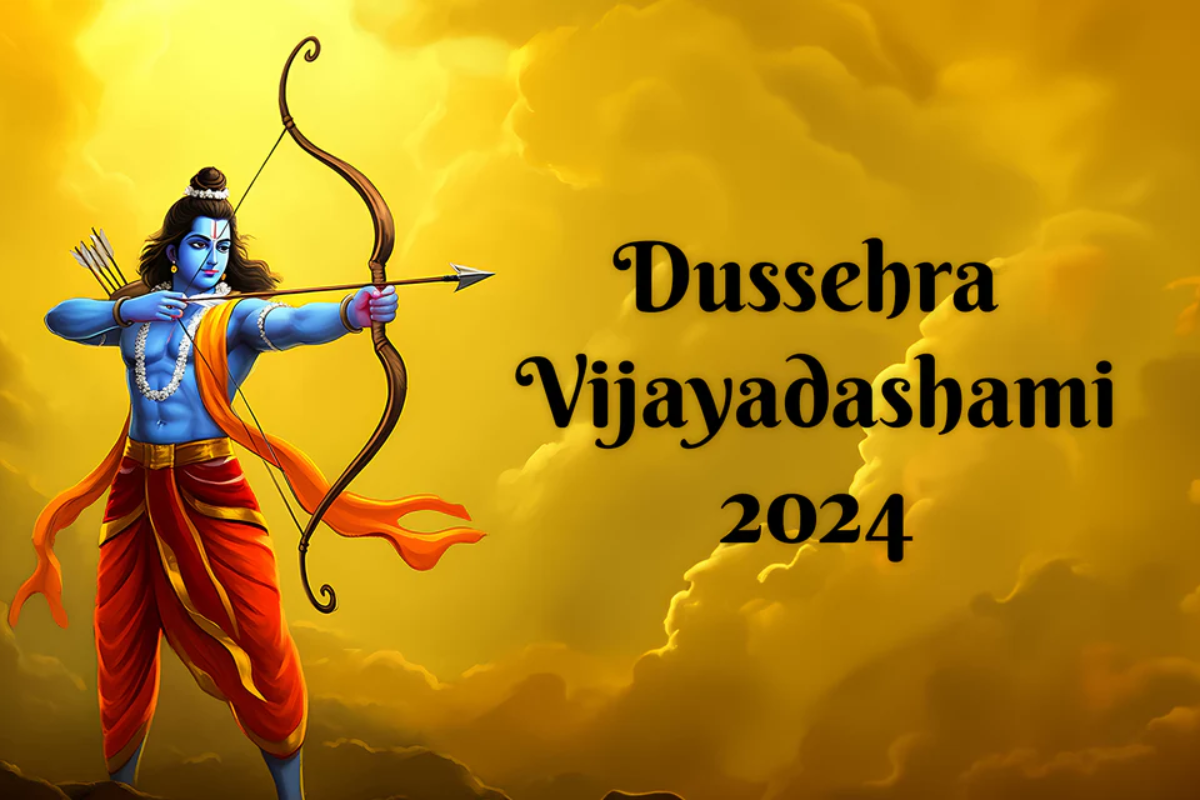
Dussehra, also known as Vijayadashami, is observed at the end of Navratri, which falls on different dates every year. In 2024, Dussehra falls on the 10th day of the Hindu calendar’s month of Kartik. This year the annual festival will be held on the Saturday, 12th of October. 

Puja Calendar 

On the day of Dussehra, Shami Puja, Aparajita Puja and Seema Avalanghan are some of the rituals that are carried out to celebrate the holy festival. According to the Hindu division of the day, these rituals are to be performed during Aparahna time.  

Time  

The auspicious time or “muhurat” of Vijayadashami is from 02:03 PM to 02:49 PM. Hence, the auspicious time will last for about 46 minutes.  

For the Aparahna Puja, the muhurat is from 01:17 PM to 03:35 PM. It will last for a duration of 2 hours and 19 minutes.  

Why do we celebrate Dussehra?  

On this day, in Hindu mythology, Lord Rama had defeated Ravana. Moreover, this day also marks the victory of Goddess Durga against the demon Mahishasur, which is celebrated at the end of Navratri. Due to these historical reasons, Lord Rama is worshipped at some places during Dussehra, while at other places Goddess Durga is worshipped during this holy time. As per the Hindu calendar, Dussehra, or Vijyadashami, falls on the tenth day of the month of Ashwin, or Kartik.  

Festivities and Traditions  

Every region in India celebrates Dussehra with its own unique style. Let us look at a few common themes of drama and devotion.  

Ramlila Performances: In most parts of India, especially in the northern regions, Ramlila plays are very popular. These dramatizations retell the epic story of Rama defeating Ravana. In Hindu culture, this is the ultimate depiction of the victory of good over evil. Up to the ten days leading to Dussehra, these Ramlila plays are performed. The plays are larger than life, with the added effects of dance and music. This tradition helps to revive the spirit of ancient Hindu mythologies amidst the newer generations.  

Effigy Burning: The most cherished event of Dussehra is the burning of effigies to mark the victory of Lord Rama. Ravana, Meghnath (his son), and Kumbhkaran (his brother) are burned mostly at the end of the Ramlila plays. These effigies, made of paper and filled with fireworks, are set ablaze in large open spaces. The fireworks against the night’s darkness symbolize the ultimate triumph of good over evil.  

Community Feasts and Gatherings: India is known for its vibrant culture of festivals as well as their love for food. Dussehra is the perfect merging of the two. An elaborate menu of traditional sweets and feasts, along with festive meals, is a common practice. Additionally, special prayers and rituals are performed in temples and homes, worshipping gods and deities.  

New Beginnings: As soon as people watch the burning of the effigies of the evil characters. It symbolizes a new beginning towards prosperity. Dussehra is considered an auspicious time for starting new ventures. Many people choose to inaugurate new projects, buy new property or vehicles, and make significant changes in their personal lives on this day.   

Dussehra 2024

Hence, on 12th October, the extravagant spectacle of Dussehra 2024 will unfold across India. The auspicious time will illuminate the skies and hearts alike, marking the victory of good over evil. As the flames of Ravana’s effigies burn, they shed light on the festival’s deeper essence of courage, hope, and the enduring spirit of ancient heroes. Every corner of the nation will be woven together with the threads of festive rituals and dramatic storytelling.  

The Future of Remote Work: Advantages and Challenges

Shubham Tyagi |

As technology evolves and the workforce adapts, remote work has become a prominent topic of discussion. The ability to work from anywhere has transformed how we approach our jobs, offering both exciting opportunities and notable challenges. In this article, we’ll explore the pros and cons of remote work to help you understand its impact on the future of employment. 

What is Remote Work?

It is also known as telecommuting or working from home, allows employees to perform their job duties outside of a traditional office setting. With advancements in digital tools and communication technology, working remotely has become increasingly feasible and popular.  

Pros of Remote Work 

  • Flexibility and Work-Life Balance: One of the most significant advantages of remote work is the flexibility it offers. Employees can create a work schedule that fits their personal lives, leading to a better work-life balance. This flexibility helps reduce stress and allows individuals to spend more time with family or engage in personal activities. 
  • Reduced Commuting Time: Working remotely eliminates the daily commute, saving time and reducing travel expenses. This not only improves productivity but also contributes to a healthier environment by decreasing carbon emissions from vehicles. 
  • Increased Productivity: Many remote workers report higher levels of productivity. With fewer office distractions and the ability to create a personalized work environment, individuals often find they can focus better and complete tasks more efficiently. 
  • Access to a Global Talent Pool: For employers, remote work opens up opportunities to hire talent from anywhere in the world. This broadens the talent pool and allows companies to benefit from diverse perspectives and skills. 
  • Cost Savings: Both employers and employees can save money with remote work. Employers can reduce overhead costs related to office space and utilities, while employees save on commuting costs and work attire. 

Cons of Remote Work 

  • Isolation and Loneliness: Working remotely can lead to feelings of isolation and loneliness. Without daily face-to-face interactions, employees might miss the social aspects of office life, which can affect their mental well-being and team cohesion. 
  • Challenges in Communication: While digital tools facilitate communication, they can’t always replicate the ease of in-person conversations. Misunderstandings and lack of immediate feedback may occur, potentially impacting collaboration and productivity. 
  • Difficulty in Maintaining Work-Life Boundaries: Remote work can blur the lines between personal and professional life. Without a clear separation between work and home environments, some individuals may struggle to switch off from work, leading to burnout. 
  • Dependence on Technology: Remote work relies heavily on technology, which can be a double-edged sword. Technical issues or unreliable internet connections can disrupt work and hinder productivity. 
  • Management and Supervision Challenges: For managers, overseeing a remote team requires new strategies and tools. Ensuring team members stay motivated and on track can be challenging without regular in-person supervision. 

The Future of Work from Home 

The future of this looks promising but will require adjustments and innovation. Companies are likely to continue adopting flexible work arrangements, blending remote and in-office options to meet both employee preferences and organizational needs. 

Strategies for Success 

To make the most of remote work, both employers and employees should consider the following strategies: 

  • Invest in Technology: Ensure you have reliable tools and systems for communication and collaboration. 
  • Foster Team Connection: Implement regular virtual meetings and team-building activities to maintain relationships. 
  • Set Clear Expectations: Establish guidelines for work hours, availability, and productivity to keep everyone aligned. 
  • Prioritize Mental Health: Encourage practices that support mental well-being and work-life balance. 

Remote work has transformed the modern workplace, offering numerous benefits while also presenting unique challenges. By understanding the pros and cons, employees and employers can navigate this evolving landscape more effectively. Embracing flexibility, fostering strong communication, and implementing effective strategies will help ensure that remote work remains a viable and rewarding option in the future.