Logo

Logo

End of an Era: Samrat Chaudhary Set to Become Bihar’s New Chief Minister as Nitish Kumar Steps Down After Two Decades

Staff |

The BJP’s Deputy CM and Home Minister emerges as frontrunner to lead Bihar’s first-ever BJP government, marking a historic power shift in India’s third-most populous state

Patna, April 14, 2026 — Bihar is on the cusp of a landmark political transition today as Chief Minister Nitish Kumar formally tendered his resignation, paving the way for the Bharatiya Janata Party (BJP) to assume direct leadership of the state for the very first time. Deputy Chief Minister and Home Minister Samrat Chaudhary has emerged as the clear frontrunner to take oath as Bihar’s new Chief Minister, with the swearing-in ceremony expected on April 15 at Raj Bhavan in Patna.

The development brings to a close a remarkable chapter in Indian political history. Nitish Kumar, who served as Bihar’s chief minister across ten tenures and is widely regarded as the state’s longest-serving leader, is set to transition to the Rajya Sabha, where he was elected as a Member of Parliament on April 10, 2026.

A Historic Handover in Patna

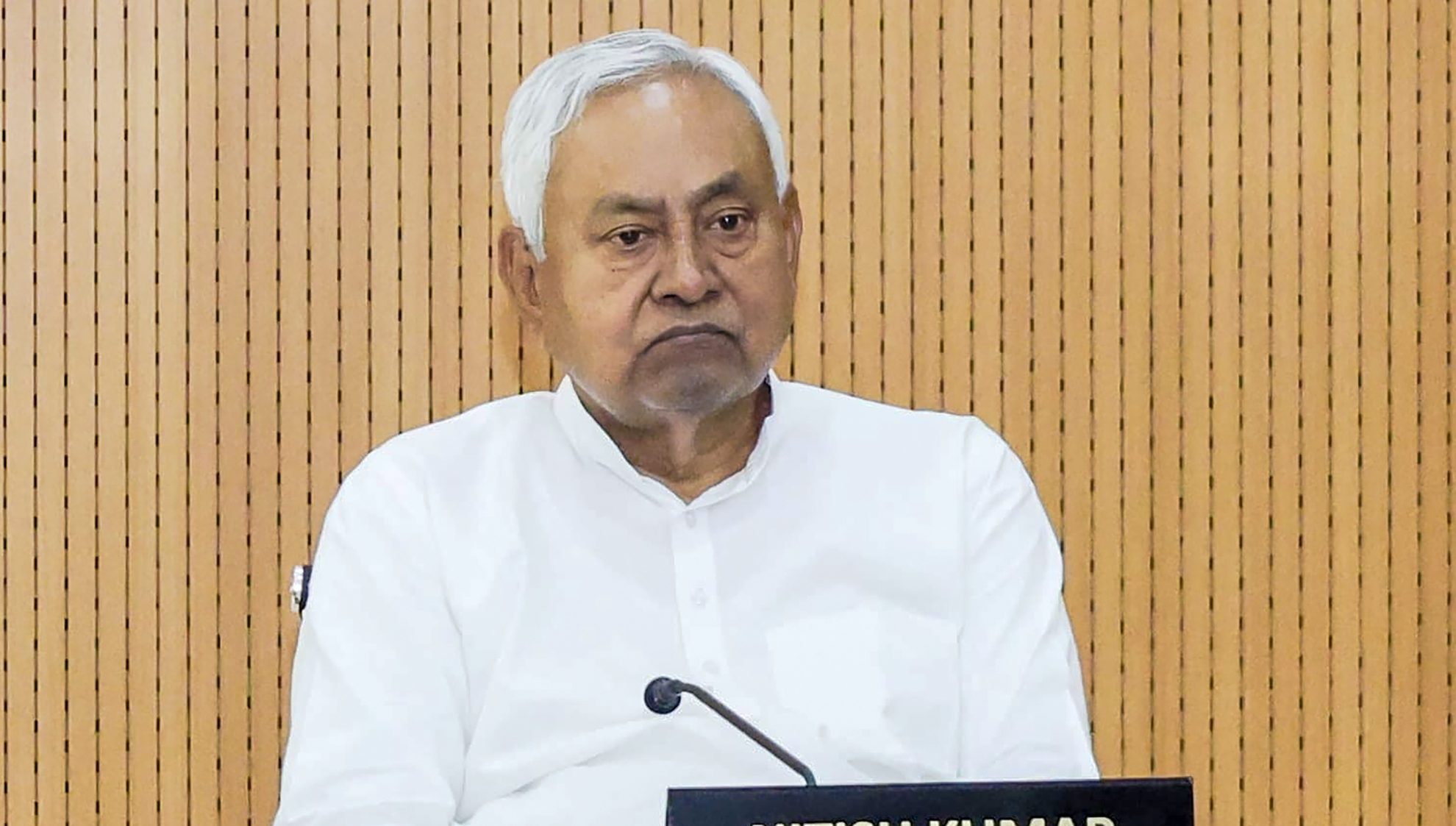
On Tuesday morning, Nitish Kumar paid tribute at the statue of Dr. B.R. Ambedkar, chaired his final cabinet session, and later met Bihar Governor Syed Ata Hasnain at Raj Bhavan to submit his resignation. Shortly after, the BJP’s legislative party convened in Patna in the presence of Union Minister Shivraj Singh Chouhan, appointed as the central observer, to formally elect its legislative leader — a decision widely expected to confirm Chaudhary’s elevation.

Prime Minister Narendra Modi and Union Home Minister Amit Shah are both scheduled to be present in Patna by Tuesday evening for the oath-taking ceremony, underlining the national significance of this power transfer.

“The new government will be formed with Nitish Kumar’s consent. It will work under his guidance.”— Zama Khan, JD(U) minister, Minority Affairs

Who is Samrat Chaudhary?

Born on November 16, 1968, in Lakhanpur village of Munger district, Samrat Chaudhary is one of Bihar’s most seasoned political figures with a career spanning multiple parties and portfolios. A two-term Member of the Legislative Assembly (MLA) from the Parbatta constituency and a two-time Member of the Legislative Council, he brings nearly three decades of grassroots and legislative experience to the table.

Chaudhary belongs to the Kushwaha (Koeri) community — a significant OBC grouping in Bihar — and his rise is seen as a strategic move by the BJP to consolidate its support among backward communities, which account for a substantial share of Bihar’s electorate. Nearly 49% of respondents in a recent Dainik Bhaskar opinion poll favoured an OBC chief minister, a figure that reinforces the calculus behind Chaudhary’s candidacy.

A Political Journey Across Parties

Before joining the BJP approximately seven years ago, Chaudhary had stints with both the Rashtriya Janata Dal (RJD) and the Janata Dal (United). Critics within the party have pointed to this background as a limitation, and some sections of the Rashtriya Swayamsevak Sangh (RSS) are reported to have reservations about his limited long-term grounding in the Sangh Parivar ecosystem. However, party insiders note that Chaudhary’s candidacy is backed by Union Home Minister Amit Shah — a factor seen as decisive enough to override internal dissent.

After joining the BJP, Chaudhary rose swiftly through the ranks. He was first inducted into the legislative council, then became a minister in Nitish Kumar’s cabinet following the NDA’s 2020 assembly election victory. He held portfolios including Agriculture, Urban Development, Panchayati Raj, and later Finance, Health, and Industry. In March 2023, he was appointed President of the BJP’s Bihar unit, succeeding Sanjay Jaiswal — a move that drew pointed commentary from RJD leader Rabri Devi.

Most recently, he served as Deputy Chief Minister and Home Minister following the NDA’s landslide victory in the November 2025 Bihar assembly elections, in which he was also re-elected to the position alongside Deputy CM Vijay Kumar Sinha.

What This Means for Bihar Politics

If confirmed, Chaudhary’s elevation will mark the first time the BJP holds the chief ministership in Bihar since the formation of its alliance with JD(U). For nearly two decades, the NDA’s governing arrangement in the state had Nitish Kumar at the helm, with the BJP playing the role of a supporting partner. That equation now shifts decisively, with the BJP becoming the “senior partner” and taking direct ownership of governance in India’s third-most populous state.

Political analysts see this transition as part of the BJP’s broader strategy to deepen its roots in Bihar beyond its traditional upper-caste voter base. By fielding an OBC leader, the party aims to challenge the RJD’s historic hold over backward communities and position itself as a pan-social coalition ahead of future electoral cycles.

Chaudhary’s Vision for Bihar

On his official website, Chaudhary has articulated an ambitious development agenda for Bihar — one framed around PM Modi’s vision of ‘Virasat bhi Vikas bhi’ (heritage alongside development). His stated priorities include quality education and skill development for youth, modern infrastructure including roads and digital connectivity, support for farmers through irrigation and fair market access, and transforming Bihar into an industrial and startup hub that reverses the trend of outmigration.

“Instead of Biharis migrating for work, we aim to build an economy so vibrant that people from across India come to Bihar in search of jobs, growth, and prosperity,” reads a key plank on his platform — an aspiration that will now be tested as he steps from the deputy’s role into the chief executive’s seat.

JD(U)’s Role Going Forward

With Nitish Kumar transitioning to Parliament, the JD(U) is keen to signal that it remains an influential force. Kumar’s son Nishant Kumar, who joined the party just a month ago, has been touted by JD(U) leaders for “an important role” in the new dispensation — a move observers have characterised as a departure from Nitish Kumar’s longstanding anti-dynasty posture. JD(U) leaders have also clarified that Kumar will spend most of his time in Bihar, participating actively in governance despite operating from the national capital during Parliament sessions.

As Patna prepares for a new chapter, all eyes are on the BJP legislative party meeting — the outcome of which will officially draw the curtain on the Nitish Kumar era and usher in what promises to be a transformative, and closely watched, new phase in Bihar’s political journey.

Indian Stock Market and Business Outlook: Navigating Volatility on April 15, 2026

Staff |

Introduction

The Indian stock market experienced a notable downturn on April 13, 2026, as global geopolitical tensions and domestic economic factors weighed heavily on investor sentiment. Both the Nifty 50 and Sensex indices closed significantly lower, reflecting broad-based selling pressure across key sectors. This report provides a comprehensive overview of the market’s performance, analyzes the key drivers behind the recent volatility, highlights sector-specific trends, and identifies top stocks to watch for April 15, 2026, offering insights for investors navigating the current landscape.

Market Overview: A Day of Correction

April 13, 2026, saw the Indian benchmark indices, the Nifty 50 and Sensex, conclude the trading session in negative territory. The Sensex shed 702.68 points, closing at 76,847.57, a decline of 0.91%. Similarly, the Nifty 50 fell by 207.95 points, settling at 23,842.65, marking a 0.86% reduction. This downturn was not isolated, as the Bank Nifty also recorded a decrease of 307.70 points (-0.55%), closing at 55,605.05, and the Nifty Financial Services index dipped by 166.40 points (-0.63%) to 26,047.50 . The market breadth remained sharply negative, with only 3 stocks advancing against 27 declining in the Sensex, indicating widespread selling pressure.

Key Drivers of Market Volatility

The primary catalyst for the market’s subdued performance was the heightened geopolitical tensions, specifically the breakdown of US-Iran talks, which fostered a risk-off sentiment among global investors. This international development had a ripple effect on emerging markets, including India. Domestically, rising crude oil prices posed a significant concern, threatening to inflate import bills and potentially fuel inflation. Concurrently, a weaker rupee against the US dollar added to the economic headwinds, making imports more expensive and impacting corporate profitability for companies reliant on imported raw materials .

Furthermore, persistent Foreign Institutional Investor (FII) outflows continued to exert downward pressure on the market. FIIs have been net sellers, withdrawing capital from Indian equities, which often signals a cautious outlook on the part of international investors. This, coupled with profit booking by domestic investors after a period of gains, contributed to the overall negative sentiment and market correction .

Sectoral Performance: Laggards and Resilient Pockets

The market correction on April 13 was not uniform across all sectors. The Auto sector emerged as a significant laggard, with major players like EICHERMOT and MARUTI experiencing declines of 5.04% and 4.62%, respectively. The Financials sector also faced considerable pressure, with BAJFINANCE dropping by 2.97%. The Information Technology (IT) sector contributed to the downturn, as TCS, INFY, and HCLTECH saw declines of 2.12%, 1.28%, and 1.56% respectively .

However, certain sectors demonstrated resilience amidst the broader market weakness. The Insurance sector, particularly HDFCLIFE, showed strength with a gain of 2.71%. Selective Banking stocks, such as ICICIBANK (+1.90%), and the Power sector, represented by NTPC (+1.58%), also managed to stay in positive territory, providing some limited support to the indices .

Top Stocks to Watch for April 15, 2026

As investors look towards April 15, 2026, several stocks are drawing attention based on recent analyst reports and market developments .

1.Avenue Supermart (D-Mart): Emkay Global Financial Services has initiated coverage with a ‘Sell’ rating and a target price of Rs 3,700. Analysts express concerns that the stock’s current valuation (70x forward P/E) prices in a future business model that D-Mart has yet to fully achieve. The increasing competition from quick commerce players, which are now only marginally pricier than D-Mart, and the company’s limited penetration of India’s total retail addressable market (TAM) are key factors influencing this cautious outlook. The bear case target price is set at Rs 2,200 .

2.UPL: Morgan Stanley has resumed its coverage of UPL with an ‘Equal Weight’ rating and a target price of Rs 658. The brokerage views UPL as a play on the revival in global crop chemical volumes, noting its consistent solid volume growth over the past two years. While acknowledging near-term uncertainties due to supply chain disruptions and potential demand risks, analysts are constructive on the improving agchem cycle. UPL’s global footprint positions it well to leverage the repair cycle and deliver above-industry volume growth .

3.Acme Solar: HSBC has initiated coverage with a ‘Buy’ rating and a target price of Rs 350. Acme Solar is highlighted as one of India’s fastest-growing, vertically-integrated, independent power producers in the renewable energy sector. Its contracted capacity of approximately 6GW provides long-term earnings visibility, with firm & dispatchable renewable energy (FDRE) projects and battery energy storage systems (BESS) expected to enhance returns. HSBC forecasts an impressive EBITDA Compound Annual Growth Rate (CAGR) of 72% for FY26-28 .

4.Sumitomo Chemicals: ICICI Securities has initiated coverage with a ‘Buy’ rating and a target price of Rs 515. The company is seen as uniquely positioned with strong credentials and a reasonable valuation, offering material upside. Its symbiotic dominance, combining a global innovator parent with local market expertise, creates an unparalleled moat. Aggressive capital expenditure plans and new product launches are expected to support growth momentum, with Indian agricultural demand anticipated to remain robust for the next 12–18 months .

5.Eternal (Blinkit parent): Goldman Sachs maintains a ‘Buy’ rating with a target price of Rs 350. Analysts believe concerns regarding Blinkit’s Total Addressable Market (TAM) might be overstated from a value perspective. While industry monthly transaction user penetration could approach maturity levels, Goldman Sachs argues that Blinkit’s share gains against competitors like Swiggy are likely to continue. Despite elevated competition from new entrants, the brokerage believes there are sufficient levers to offset potential headwinds and support margin expansion .

6.Sanofi India: The company has recommended a final dividend of Rs 48 per share, making it an attractive option for dividend-seeking investors .

Technical Outlook for April 15, 2026

From a technical perspective, the Nifty 50’s RSI has slipped towards the 50 mark, indicating a loss of upward strength. Key support levels for the Nifty are identified at 23,396 and 23,120, while resistance levels are at 24,289 and 24,565. For the Sensex, immediate support lies at 75,410 and 74,521, with resistance at 78,285 and 79,174 . Investors should closely monitor these levels for potential reversals or further consolidation.

Conclusion

The Indian stock market is currently navigating a period of heightened volatility, influenced by global geopolitical events and domestic economic indicators. While the recent downturn has impacted several sectors, opportunities remain in resilient segments and specific stocks with strong fundamentals and growth prospects. Investors are advised to conduct thorough research and consider their risk appetite before making investment decisions, keeping a close watch on both macroeconomic developments and corporate earnings. The market’s ability to absorb external shocks and the continued growth trajectory of the Indian economy will be crucial in determining its path forward.

This Article is Created and Curated by Manus AI

Noida Erupts: Workers’ Wage Protest Spirals into Chaos, Raising Questions on Urban Governance

Staff |

Noida, Uttar Pradesh – A simmering discontent among factory workers in Noida boiled over into widespread violence on April 13, 2026, as demands for higher wages and improved working conditions escalated into a chaotic confrontation with authorities. The unrest, which brought parts of the bustling industrial hub to a standstill, has ignited a critical debate about labor rights, urban planning, and the efficacy of local governance in India’s rapidly expanding metropolitan areas , .

The Spark: Unmet Demands Amidst Rising Costs

The protests, which began with peaceful sit-ins on April 9, were fueled by deep-seated frustrations over stagnant wages and the relentless surge in living costs. Workers, many of whom are migrants, highlighted the severe economic strain exacerbated by global events, including the US-Israel war on Iran, which has significantly impacted fuel supplies and, consequently, daily expenses . The demand for a substantial wage hike was a central rallying cry, with workers pointing to a recent 35% minimum wage increase in neighboring Haryana as a precedent for their own aspirations .

A Day of Disruption: April 13, 2026

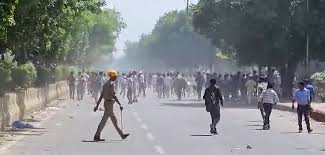
Monday, April 13, marked a critical turning point as the demonstrations intensified. What started as a localized protest quickly spread, engulfing key industrial zones and major arterial roads. For over three hours, Noida found itself in the grip of widespread disruption, characterized by incidents of arson, vandalism, and direct clashes between protesters and law enforcement .

Escalation and Confrontation

Eyewitness accounts and media reports detail scenes of overturned and torched vehicles, with protesters pelting stones at police personnel and property. In response, authorities resorted to a lathi charge and deployed tear gas to disperse the agitated crowds , . Tragically, the violence resulted in at least one fatality, identified as 20-year-old Habib Islam, and left several others injured .

The Aftermath: Traffic Chaos and Governance Under Scrutiny

The immediate impact of the protest was felt acutely by commuters, as major routes like the Chilla Border and Noida Link Road were blocked, leading to extensive traffic jams and delays during peak hours . Beyond the immediate disruption, the events of April 13 have cast a harsh spotlight on the preparedness of Noida’s administration and police force. Critics have pointed to an apparent intelligence failure and inadequate police deployment as key factors that allowed the situation to spiral out of control .

Official statements from the police suggested that

“outsiders” attempted to incite unrest after the workers had initially dispersed peacefully, leading to several detentions . However, this explanation has done little to quell concerns about the underlying issues that led to such a volatile situation.

Looking Ahead: Addressing Root Causes

The Noida workers’ protest serves as a stark reminder of the socio-economic pressures faced by a significant portion of India’s workforce. As Noida continues its trajectory as a major industrial and economic hub, addressing the legitimate grievances of its labor force, ensuring fair wages, and establishing effective channels for dialogue will be crucial to prevent future escalations. The incident also underscores the need for robust intelligence gathering and a more proactive approach to maintaining law and order in rapidly urbanizing regions.

Bihar Undergoes Significant Political Transition as Nitish Kumar Resigns, BJP Set to Lead

Staff |

Patna, Bihar – Bihar is on the cusp of a major political transformation as Chief Minister Nitish Kumar is slated to resign on April 14, 2026, concluding his nearly two-decade-long tenure at the helm of the state. This move paves the way for the Bharatiya Janata Party (BJP) to appoint its first Chief Minister in Bihar, marking a significant shift in the state’s political landscape , .

Nitish Kumar’s Departure and Move to Rajya Sabha

Nitish Kumar, a veteran politician often dubbed

“Sushasan Babu” (Man of Good Governance), has been a dominant figure in Bihar politics for over two decades. His political journey has been characterized by strategic alliances and frequent shifts between the BJP-led National Democratic Alliance (NDA) and the Rashtriya Janata Dal (RJD)-led Mahagathbandhan. This fluidity has earned him the moniker “Paltu Ram” from his critics .

Kumar’s decision to step down as Chief Minister follows his election to the Rajya Sabha, the upper house of India’s Parliament. He took his oath as a Rajya Sabha member on April 10, 2026, after resigning from the Bihar Legislative Council on March 30, 2026 , . His move to national politics signifies the end of an era for Bihar, where he has served a record ten terms as Chief Minister .

His final act as Chief Minister will be to chair a cabinet meeting on April 14, 2026, after which he is expected to tender his resignation to Governor Lt Gen (Retd) Syed Ata Hasnain .

The Rise of the BJP and the New Leadership

The upcoming political transition marks a historic moment for the BJP in Bihar. For the first time, the party is poised to install its own Chief Minister in the state, moving beyond its traditional role as a junior partner in the NDA coalition. This ascendancy reflects the BJP’s growing influence and electoral performance in recent years, where it has consistently outpolled the Janata Dal (United) .

The BJP Legislature Party and the broader NDA Legislature Party are scheduled to meet on April 14, 2026, to formally elect the new leader. The swearing-in ceremony for the new government is anticipated to take place on April 15, 2026, likely at Lok Bhavan .

Front-runner for Chief Minister: Samrat Choudhary

Samrat Choudhary, currently the Deputy Chief Minister and Bihar BJP President, has emerged as the leading contender for the Chief Minister’s post. Choudhary’s political career has seen him transition from the RJD to the JD(U) before ultimately joining the BJP. His background, particularly his affiliation with the influential Koeri (Kushwaha) community, an important Other Backward Class (OBC) group in Bihar, aligns with the BJP’s strategy to consolidate support among non-Yadav OBC and Extremely Backward Class (EBC) voters .

Other Potential Candidates and Key Appointments

While Samrat Choudhary is the front-runner, other BJP leaders such as Nityanand Rai, Dilip Jaiswal, Sanjeev Chaurasiya, and Prem Kumar were also mentioned as potential candidates for the top position .

From the JD(U) side, Nishant Kumar, Nitish Kumar’s son, and senior minister Vijay Choudhary are reportedly strong contenders for the Deputy Chief Minister’s role. Nishant Kumar’s recent entry into active politics, after largely staying out of the limelight, suggests a potential succession plan within the JD(U) .

Union Agriculture Minister Shivraj Singh Chouhan has been appointed as the central observer by the BJP high command to oversee the election of the BJP Legislature Party leader .

Political Implications and Future Outlook

The formation of a BJP-led government, with the JD(U) as a key ally, will undoubtedly reshape Bihar’s political dynamics. The NDA coalition in Bihar currently comprises the JD(U), BJP, Lok Janshakti Party (Ram Vilas), Hindustani Awam Morcha (Secular), and Upendra Kushwaha’s Rashtriya Lok Samata Party. The opposition, primarily led by the RJD and Tejashwi Yadav, will face a formidable challenge from the newly configured ruling alliance .

This transition will test the stability of the NDA and the future trajectory of the JD(U) in the absence of Nitish Kumar’s direct leadership in state affairs. The coming months will reveal how this new political arrangement impacts governance and electoral strategies in Bihar.

Savin Communication: Pioneering Digital PR in the AI Ecosystem with the Digital PR Program 2026

Staff |

In an era defined by rapid technological advancement and an increasingly complex digital landscape, effective communication is paramount. Savin Communication, under the visionary leadership of its founder, Kumar Saurav, is not merely adapting to this new reality but actively shaping it. With the launch of its new brand identity and the innovative Digital PR Program 2026, Savin Communication is poised to redefine narrative control and perception management within the burgeoning AI ecosystem.

The Evolution of Digital PR in the AI Age

The public relations industry has undergone a profound transformation, moving beyond traditional media placements to embrace a multifaceted digital approach. This evolution is further accelerated by the pervasive influence of Artificial Intelligence (AI). AI is no longer a futuristic concept but a present-day reality, permeating various sectors and fundamentally altering how information is created, disseminated, and consumed .

Digital PR in 2026 is characterized by its integration with advanced analytics, influencer marketing, SEO strategies, and content solutions, all designed to maximize visibility and impact . Savin Communication has been at the forefront of this shift, recognizing early on the need for a tech-driven approach to PR. Founded in 2017 by Kumar Saurav, the company has grown from a startup with zero capital to a leading integrated PR and creative agency, demonstrating a keen understanding of the evolving media landscape .

Kumar Saurav’s Vision: Changing Narratives and Setting Perceptions

Kumar Saurav, the driving force behind Savin Communication, has consistently emphasized the importance of strategic storytelling and measurable influence. His vision for the company is rooted in leveraging technology to build commanding narratives and manage public perception effectively. Saurav’s journey, beginning with a journalism degree and eight years of PR experience, highlights a deep-seated passion for brand storytelling .

“In a world led by digital approaches, we provide powerful tools that speak to consumers and media alike — with networks spanning lifestyle, entertainment, and enterprise.”

This philosophy underpins Savin Communication’s commitment to delivering results, not just reports. The agency’s impressive track record, including 247+ media associations, 99K+ press releases disseminated, and over 2 billion cumulative content impressions, underscores its capability to execute this vision .

The Digital PR Program 2026: Exclusively for You

Savin Communication’s Digital PR Program 2026 is a testament to its forward-thinking approach, specifically designed to navigate and thrive within the AI ecosystem. This program is built upon the agency’s six pillars of creative power, which encompass a comprehensive suite of services:

PillarDescriptionAI Integration Potential
Public RelationsStrategic media placements, press release campaigns, and narrative building.AI-driven media monitoring, sentiment analysis, personalized outreach.
Video ProductionCinematic brand films, social reels, event coverage, and product videos.AI-assisted video editing, content optimization for engagement, audience targeting.
Influencer MarketingData-driven influencer identification, campaign management, and ROI tracking.AI for identifying ideal influencers, predicting campaign performance, fraud detection.
Web & App DevelopmentCustom-engineered websites and mobile applications with performance-first architecture.AI for enhanced UI/UX, predictive analytics for user behavior, automated content generation.
Branding & DesignComplete brand identity systems, from logo and typography to brand guidelines.AI for design trend analysis, logo generation, brand consistency checks.
Content SolutionsSEO-optimized articles, thought leadership content, social media copy, and multimedia storytelling.AI for content creation, SEO optimization, audience engagement analysis, content personalization.

This program aims to provide brands and business owners with 24×7 professional guidance and consultation, enabling them to tell their stories to the world with unparalleled reach and impact . The integration of AI across these pillars allows for more precise targeting, efficient campaign management, and deeper insights into audience engagement, ultimately leading to superior outcomes for clients.

A New Identity for a New Era

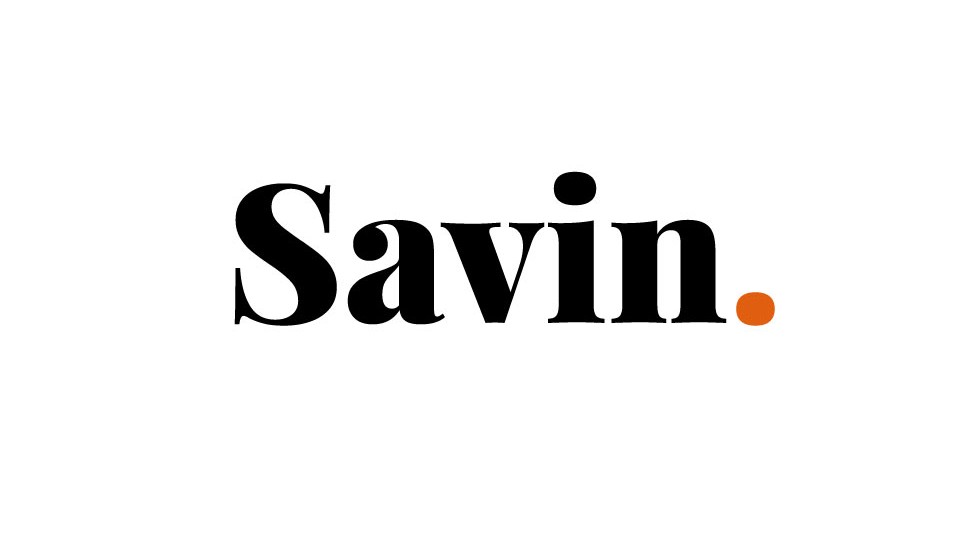
The recently unveiled logo of Savin Communication, a minimalist wordmark featuring a bold serif typeface and a vibrant orange period, visually encapsulates this new era. The serif font conveys authority and reliability, while the orange dot symbolizes creativity, energy, and the definitive impact of their communication strategies. This rebranding signifies Savin Communication’s commitment to a modern, tech-forward identity that prioritizes clarity and impactful narratives .

Conclusion

As the digital landscape continues to evolve at an unprecedented pace, Savin Communication, guided by Kumar Saurav’s vision and powered by its Digital PR Program 2026, stands ready to lead. By embracing the AI ecosystem and focusing on innovative, data-driven strategies, the agency is not just changing narratives and setting perceptions; it is defining the future of public relations.

How MBA Salary & ROI Calculator Empowering Working Professionals to Make Smarter B-School Decisions

India’s first personalized MBA ROI tool factors in college rankings, inflation, and placement benchmarks giving candidates a clear financial picture before they invest.

Staff |

With MBA program fees climbing upward of ₹25 lakh at top-tier institutions, thousands of working professionals across India now face a question that no brochure or counselor can fully answer: Will this MBA actually pay off?

To address this gap, EduCollege has launched the MBA Salary & ROI Calculator a first-of-its-kind digital tool that delivers a personalized, data-driven financial projection for MBA aspirants, going far beyond generic salary averages published in college brochures.

Unlike static salary surveys or broad ranking lists, the calculator synthesizes institutional prestige, industry placement benchmarks, real inflation rates, and an individual’s own experience profile producing a projected salary trajectory and true return on investment figure before a candidate even submits an application.

The Problem: Working Professionals Are Flying Blind

Every year, over 2.5 lakh candidates register for CAT and other national MBA entrance exams. A significant and growing segment of these candidates are working professionals individuals with 2–8 years of experience who are weighing the opportunity cost of returning to education against the demands of a current career and household.

The information available to them is fragmented. Placement reports from business schools often feature median CTCs that obscure the real range of outcomes. National salary surveys treat MBA graduates as a monolith. And inflation which silently erodes the value of a future salary is almost never factored into the conversation.

What the Calculator Does Differently

The MBA Salary & ROI Calculator is built on four core pillars:

  • Inflation-Adjusted Projections: Salary projections are calculated in real terms, not nominal values. A ₹20L CTC five years from now is not worth ₹20L today. The tool adjusts for current inflation trends to deliver the real purchasing power of future earnings.
  • College Ranking Impact Modelling: The calculator quantifies how institutional tier from IIMs and IITs to Tier-2 and online MBA programs influences probable salary outcomes, helping candidates make an apples-to-apples comparison across programs at vastly different price points.
  • Placement Benchmark Comparisons: Rather than relying on headline placement figures, the tool draws on sector-level benchmark data to show how a program’s graduates are actually faring against the broader market by industry, function, and experience band.
  • Profile-to-Program Fit Scoring: By factoring in a candidate’s existing work experience, sector background, and skills, the calculator identifies which programs are likely to produce the strongest ROI for that specific individual not the average candidate.

Designed for India’s Working Professional Segment

The tool is specifically designed for candidates who cannot afford a poorly-matched MBA financially or professionally. Unlike fresh graduates for whom any reputed MBA opens doors broadly, working professionals are making a mid-career pivot. The stakes, and the specificity required, are considerably higher.

The calculator serves candidates evaluating full-time residential programs such as IIM PGP and XLRI, executive MBA formats, and the rapidly growing online MBA market where programs now range from ₹1L to ₹15L and outcomes vary enormously.

Availability

The MBA Salary & ROI Calculator is available now at https://educollege.in/roi . Access is free for all users during the launch period. A premium version with deeper program-level analytics and a personalized PDF report is available at free of cost. The tool is optimized for desktop and mobile use, and requires no account registration for the core projection feature.

Rama Group Launches ‘Rama Eiko Luxury Floors’ in Raipur with RERA Approval

TheIndiaSaga Team |

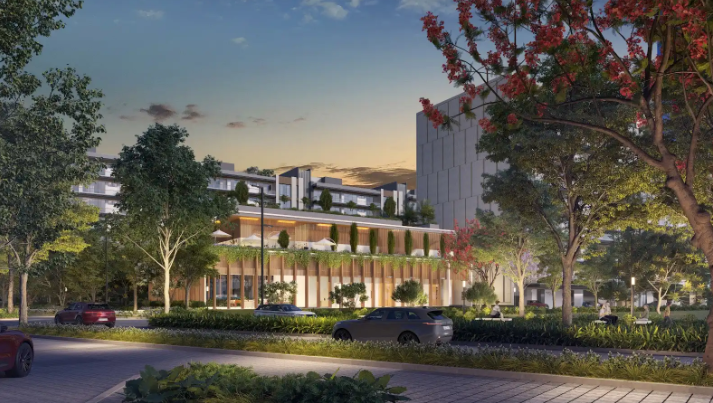
Rama Group has announced the launch of Rama Eiko Luxury Floors, a premium new phase within its flagship residential development, Rama Eiko. The project has received RERA approval, marking a key milestone and opening bookings for ultra-luxury residences in Shankar Nagar, one of Raipur’s most established residential locations.

Designed by New Delhi-based architect Rajeev Agarwal of Rajeev Agarwal Architects, known for crafting refined, contemporary urban residences, and landscape designer STGK, a Yokohama, Japan-based studio recognised for its cross-disciplinary design approach, the project offers a private and elevated living experience. Rama Eiko Luxury Floors follows a layout where each floor is designed to accommodate one expansive apartment (4&5 BHK), ensuring a high level of exclusivity with no shared living spaces. The development comprises 16 thoughtfully planned towers, each with seven floors, with a total of 112 apartments, creating a low-density and well-balanced residential environment.

The apartments range in size from approximately 7,100 sq. ft. to 12,800 sq. ft., featuring spaciously planned living areas, bedrooms, and kitchens with a generous 12 ft. ceiling height that enhances the sense of openness and lends an expansive, airy feel to the interiors.  Each residence is equipped with a private lift, ensuring direct access and enhanced privacy, while every tower is supported by 8 lifts for seamless operation. The development also features an exclusive penthouse on the seventh floor, where natural light gently filters into the foyer through a skylight. Residents also have exclusive access to a terrace of approximately 4,500 sq. ft., suitable for leisure and small gatherings.

Commenting on the launch, Prakhar Agrawal, Director, Rama Group, said, “With Rama Eiko Luxury Floors, we aim to create a living experience that goes beyond conventional luxury apartments. Today’s homebuyers are increasingly seeking not just larger homes, but greater privacy, thoughtful design, and a more holistic community environment. This development has been planned to address these evolving expectations, with a strong focus on exclusivity, low-density living, and well-designed residences, further strengthened by its location in Shankar Nagar.”

A key highlight of the development is its thoughtfully curated landscape, with all residences overlooking 1.86 acres of lush greenery and amenities. The landscape enhances the project’s tranquil and premium appeal, creating a seamless balance between nature and built spaces.

The project includes a thoughtfully designed range of lifestyle amenities such as a semi-Olympic-sized swimming pool, amphitheater with a multipurpose lawn, aerial tree deck, sports zone, jogging track, kids’ play area, and golf-putting pitch, offering a well-rounded experience for residents. Additionally, each residence consists of three dedicated car parking spaces, ensuring convenience for residents and their guests.

With Rama Eiko Luxury Floors, Rama Group reinforces its presence in Raipur’s premium residential segment through a thoughtfully planned development that aligns with the city’s evolving urban landscape, contributing to the development of more structured communities and an improved standard of urban living.

Boeing Delivers ViaSat-3 Flight 3 Spacecraft to Viasat

TheIndiaSaga Team |

Boeing [NYSE: BA] announced today, delivery of the ViaSat-3 Flight 3 (VS-3 F3) spacecraft to Viasat. Built on Boeing’s high-power 702MP+ platform and integrated at Boeing’s El Segundo facility in California, VS-3 F3 will provide the Asia-Pacific region with state-of-the-art technology to maximize efficient, flexible bandwidth deployment and enhanced performance for commercial mobility and defense customers, among others, in high-density markets across the region.

“ViaSat-3 F3 reflects the strength of Boeing’s 702 family and our long-standing partnership with Viasat,” said Ryan Reid, president of Boeing Satellite Systems International. “With this delivery, we’re providing a high-power, flexible platform designed to support Viasat’s next-generation connectivity mission which is proving more valuable every single day. We are thankful for their partnership and trust.”

Following final spacecraft integration, testing and verification at Boeing’s El Segundo, California factory, Boeing officially delivered the satellite to Cape Canaveral Space Force Station, Florida where Boeing and Viasat teams will support pre-launch processing and mission preparations ahead of a SpaceX Falcon Heavy launch. The delivery marks Boeing’s latest major milestone on the ViaSat-3 program and the completion of Boeing’s spacecraft production and integration work for VS‑3 F3.

“The delivery of ViaSat-3 F3 marks an important milestone for the program and for the customers who will rely on it for resilient, secure, flexible and high-performance connectivity across the APAC region,” said Dave Abrahamian, vice president of Space Systems, Viasat. “Throughout the ViaSat-3 program, Boeing’s platform performance and mission operations have been essential to achieving these goals for our business and our customers.”

Built on Boeing’s flight-proven 702 family, the 702MP+ platform was developed to support larger, more power-intensive payloads while preserving the reliability and flexibility customers expect from Boeing spacecraft. For ViaSat-3, Boeing scaled the platform to accommodate larger solar arrays, higher-capacity batteries, upgraded supporting electronics and large deployable radiators to manage the thermal demands of a high-power mission.

The platform also incorporates all-electric propulsion, building on Boeing’s earlier 702SP heritage while extending that efficiency into the larger 702MP class. To support ViaSat-3’s payload and reflector configuration, Boeing enhanced structural elements and attitude-control performance so the spacecraft can maintain precise pointing despite the size and flexibility of the system.

With VS-3 F1 already providing commercial airline connectivity and VS-3 F2 currently advancing towards entering service over the Americas, VS-3 F3 will extend the constellation’s coverage to the AsiaPacific, enabling expanded connectivity options for customers across the region.

Boeing and Viasat will jointly support launch operations in Florida, continuing the collaboration that brought this satellite from design and integration to delivery.

Bhai Dooj 2026: Exact Date, Shubh Muhurat, Rituals & Heartwarming Traditions Explained

Devendra Khati |

Bhai Dooj is one of the most emotional and meaningful festivals in India. Celebrated after Diwali, it honors the beautiful bond between brothers and sisters. If you are searching for Bhai Dooj 2026 date and shubh muhurat, here is everything you need to know.

The festival falls on the Dwitiya Tithi (second lunar day) of Shukla Paksha in the Kartik month, according to the Hindu calendar.

Let’s explore the confirmed date, puja timing, rituals, and significance of Bhai Dooj 2026.

Bhai Dooj 2026 Date in India

Bhai Dooj 2026 will be celebrated on Tuesday, 10 November 2026. It is observed two days after Diwali and one day after Govardhan Puja.

Bhai Dooj 2026 Shubh Muhurat

The most important ritual of Bhai Dooj is applying tilak on the brother’s forehead.

Dwitiya Tithi Timing (Tentative – India)

  • Dwitiya Tithi Begins: 9 November 2026 (evening)
  • Dwitiya Tithi Ends: 10 November 2026 (evening)
  • Tilak Muhurat: Morning to afternoon on 10 November 2026

Exact muhurat may vary depending on city. Devotees should check local Panchang for precise timing.

Significance of Bhai Dooj

Bhai Dooj symbolizes love, protection, and lifelong bonding between siblings.

According to Hindu mythology:

  • Lord Yama visited his sister Yamuna on this day.
  • Yamuna welcomed him with tilak and sweets.
  • In return, Yama blessed her with prosperity and long life.

Since then, sisters apply tilak to their brothers and pray for their well-being, while brothers promise protection and offer gifts.

Bhai Dooj Puja Vidhi (Step-by-Step Rituals)

Following proper rituals on Bhai Dooj 2026 is considered auspicious.

Preparation

  • Clean and decorate the house
  • Prepare a puja thali with roli, chawal, diya, sweets, and coconut
  • Brothers and sisters wear traditional clothes

Ritual Steps

  1. Sister performs aarti of her brother.
  2. Applies tilak (roli and chawal) on his forehead.
  3. Offers sweets and prays for his long life.
  4. Brother gives gifts and blessings in return.

In some regions, brothers also eat food prepared by their sisters as part of the ritual.

Regional Names of Bhai Dooj

Bhai Dooj is known by different names across India:

  • Bhau Beej (Maharashtra & Goa)
  • Bhai Phonta (West Bengal)
  • Yama Dwitiya (Northern India)
  • Bhatru Dwitiya (South India)

Despite different names, the essence of sibling love remains the same.

What Makes Bhai Dooj Special?

Unlike Raksha Bandhan, which focuses on the sacred thread ritual, Bhai Dooj centers around tilak and prayer for long life.

It strengthens:

  • Family bonding
  • Emotional connection
  • Cultural traditions
  • Respect and gratitude between siblings

Do’s and Don’ts on Bhai Dooj

✅ Do’s

  • Perform tilak during shubh muhurat
  • Offer homemade sweets
  • Wear traditional attire
  • Maintain positive energy

❌ Don’ts

  • Avoid arguments or negative thoughts
  • Do not perform rituals outside Dwitiya Tithi
  • Avoid incomplete puja rituals

Spiritual Importance of Bhai Dooj 2026

Bhai Dooj is not just about gifts; it is about:

  • Blessings for long life
  • Gratitude between siblings
  • Renewing family ties
  • Celebrating protection and affection

It marks the final day of the five-day Diwali festival.


Frequently Asked Questions (FAQs)

1. What is the date of Bhai Dooj 2026?

Bhai Dooj 2026 will be celebrated on Tuesday, 10 November 2026, according to the Hindu calendar.

2. What is the shubh muhurat for Bhai Dooj 2026?

The tilak ceremony should be performed during Dwitiya Tithi on 10 November 2026. Morning to afternoon is generally considered auspicious.

3. Why is Bhai Dooj celebrated?

Bhai Dooj celebrates the sacred bond between brothers and sisters, based on the legend of Lord Yama and his sister Yamuna.

4. Is Bhai Dooj different from Raksha Bandhan?

Yes, Raksha Bandhan involves tying a rakhi, while Bhai Dooj focuses on tilak ceremony and prayers for long life.

5. Can sisters without brothers celebrate Bhai Dooj?

Traditionally, it is celebrated between siblings, but many people symbolically honor cousins or close family members.

6. What gifts are commonly exchanged on Bhai Dooj?

Brothers usually gift clothes, jewelry, sweets, or money as a token of love and appreciation.

Now you know the complete details of Bhai Dooj 2026, including date, muhurat, rituals, and significance. This beautiful festival on 10 November 2026 will once again strengthen the bond of love and protection between siblings.

Celebrate with joy, positivity, and gratitude.

Wishing you and your family a Happy Bhai Dooj 2026!

Diwali 2026 Date and Puja Muhurat: Exact Timing, Lakshmi Puja Vidhi Celebration Guide

Devendra Khati |

Diwali, also known as the Festival of Lights, is one of the most celebrated Hindu festivals in India and across the world. Every year, families eagerly wait to know the exact Diwali 2026 date and puja muhurat so they can prepare for Lakshmi Puja at the right time.

Diwali symbolizes the victory of light over darkness and good over evil. It is celebrated with diyas, rangoli, sweets, fireworks, and special prayers dedicated to Goddess Lakshmi and Lord Ganesha.

Let’s explore the confirmed Diwali 2026 date, auspicious puja timings, rituals, and spiritual significance.

Diwali 2026 Date in India

In 2026, Diwali will be celebrated on:

Sunday, 8 November 2026

Diwali falls on the Amavasya (new moon) of the Kartik month according to the Hindu lunar calendar. The festival marks the return of Lord Rama to Ayodhya after 14 years of exile, as described in the epic Ramayana.

Lakshmi Puja Muhurat 2026

The most important part of Diwali is Lakshmi Puja, performed during the Pradosh Kaal (evening time after sunset).

Lakshmi Puja Muhurat (Tentative Timing – India)

  • Amavasya Tithi Begins: 7 November 2026 (evening)

  • Amavasya Tithi Ends: 8 November 2026 (evening)

  • Lakshmi Puja Muhurat: Around 5:30 PM to 8:00 PM (exact timing may vary by city)

⚠️Note: Muhurat timings differ depending on your location. Devotees should check local Panchang for city-specific timing.

Lakshmi Puja Vidhi (Step-by-Step Ritual Guide)

Performing Lakshmi Puja correctly during the Diwali 2026 date and puja muhurat is considered highly auspicious.

Preparation

  • Clean the house thoroughly
  • Decorate entrance with rangoli and diyas
  • Set up Lakshmi and Ganesha idols
  • Keep sweets, fruits, and flowers ready

Puja Steps

  1. Take a bath and wear clean clothes.
  2. Place idols on a clean platform.
  3. Light a diya and incense sticks.
  4. Offer flowers and sweets.
  5. Chant Lakshmi Mantras.
  6. Perform Aarti.
  7. Distribute prasad to family members.

Many business owners also perform Chopda Puja (account book worship) on this day.

Five Days of Diwali Festival 2026

Diwali is not just one day; it is a five-day celebration:

1 Dhanteras (6 November 2026)

Purchase of gold, silver, and utensils is considered auspicious.

2 Naraka Chaturdashi (7 November 2026)

Celebrates victory of Lord Krishna over demon Narakasura.

3 Diwali / Lakshmi Puja (8 November 2026)

Main festival day dedicated to Goddess Lakshmi.

4 Govardhan Puja (9 November 2026)

Celebrates Lord Krishna lifting Govardhan Hill.

5 Bhai Dooj (10 November 2026)

Celebrates bond between brothers and sisters.

Importance of Lakshmi Puja Muhurat

Performing Lakshmi Puja during the correct muhurat ensures:

  • Prosperity

  • Financial stability

  • Positive energy in home

  • Removal of negativity

According to Hindu beliefs, Goddess Lakshmi visits homes that are clean, illuminated, and spiritually pure.

Do’s and Don’ts on Diwali

✅ Do’s

  • Keep house clean and well-lit

  • Donate food and clothes

  • Worship during proper muhurat

  • Use eco-friendly diyas

❌ Don’ts

  • Avoid negative thoughts

  • Do not perform puja at inauspicious time

  • Avoid excessive noise pollution

  • Do not leave diyas unattended

Spiritual Significance of Diwali 2026

Diwali is not just about fireworks and sweets. It is about:

  • Self-reflection

  • Gratitude

  • Forgiveness

  • Renewal of hope

Lighting a diya symbolizes removing darkness from both home and heart.

Now that you know the Diwali 2026 date and puja muhurat, you can prepare your home and family for this beautiful festival of lights. Diwali on 8 November 2026 will bring joy, positivity, and new beginnings.

Celebrate responsibly, follow the correct muhurat, and embrace the true spiritual meaning of the festival.

Wishing you and your family a bright and prosperous Diwali 2026!


Frequently Asked Questions (FAQs)

1. What is the exact Diwali 2026 date in India?

Diwali in 2026 will be celebrated on Sunday, 8 November 2026, according to the Hindu lunar calendar based on Kartik Amavasya.

2. What is the Lakshmi Puja muhurat for Diwali 2026?

Lakshmi Puja muhurat will be during the evening Pradosh Kaal on 8 November 2026. Exact timing may vary by city, so checking the local Panchang is recommended.

3. Why is Lakshmi Puja performed on Diwali?

Lakshmi Puja is performed to invite wealth, prosperity, and positive energy into the home and business during the most auspicious time of the year.

4. What time should Diwali puja be done?

The puja should be performed during the evening after sunset within the Amavasya tithi, typically between 5:30 PM and 8:00 PM, depending on location.

5. Is Diwali celebrated for one day only?

No, Diwali is a five-day festival that includes Dhanteras, Naraka Chaturdashi, Lakshmi Puja, Govardhan Puja, and Bhai Dooj.

6. How can I check accurate puja timing for my city?

You can consult your local Hindu Panchang, temple authorities, or trusted astrology calendars for city-specific muhurat timings.