Logo

Logo

Work-Life Balance: Challenges Faced by Urban Indians

sachin |

With the rising pace of the urban lifestyle, increasing professional commitments, and expanding lifestyle needs, achieving a work-life balance has become challenging. Urban Indians have seen an immense shift in their lifestyle due to factors such as economic growth, technological advancements, and a competitive job market. These factors have not just affected the overall health of individuals, but also their work-life balance. In the fast-paced urban environment of India, having a moderately strict work-life balance is required. Let’s delve into the aspects weighing on our work-life balance, or rather imbalance, and how we can improve the system: 

  • Unstable work hours: Many urban professionals are required to work beyond the 9-5 schedule. The overtime culture, paired with the expectation to stay late for work has established a toxic culture. This toxicity promotes the lack of work-life balance.  
  • Stress of commuting: The continuous stress of commuting and traffic congestion leads to reduced personal time. More and more people have claimed that daily commute has claimed their ‘me-time’. 
  • Technological connectivity: Technological advancement has fixed people on the grid. With everything readily available over our devices, and the constant need to be available, personal and professional life balance has dwindled.  
  • Job insecurity: Because of high competition in the job market and job insecurity, immense pressure is laid on employees. People end up working more, for unfair compensation, which negatively impacts their mental health. 
  • Social expectations: Due to the cultural norm of India, people wish to excel in their professional lives. Thus, people often end up slaving away at work instead of prioritising their health and wellbeing. 

Challenges faced due to a lack of a healthy balance: 

  • Health issues: The lack of a this balance affects physical and mental health. With long hours of sedentary lifestyle and chronic stress or burnout, people often end up falling extremely sick. 
  • Reduced quality of life: Limited personal time forces people to let go of their hobbies, cause strains in family bonds, and can cause distress in relationships.  
  • Impact on productivity: Overworking often leads to burnout, fatigue, and reduced productivity. These factors can result in a dip in productivity and can cause more harm than good. 
  • Gender disparities: Challenges to this much needed balance can often be accounted to gender disparities. Working women with families often end up bearing extra pressure. Moreover, they struggle to balance their personal and work life.  

Solutions to improve work-life balance 

  • Flexible work schedules: Flexible work arrangements can allow people to unwind the right way. In addition, allowing employees to work from home or other locations can reduce commute stress and help in time management. 
  • Support: For a healthy and successful balance, it is essential for organisations to provide the right support. Organisations should offer support services and encourage breaks for rejuvenation. 
  • Technology management: By managing technology and establishing off-hours, can lead to a healthy environment where people are able to enjoy their personal time. Moreover, digital detoxing is another essential way to promote a healthy professional and personal life balance. 
  • Health initiatives: Offering access to mental and physical health resources, can lead to more acceptance, and reduce the stigma surrounding a healthy balance. 
  • Promoting work-life balance: Through the demonstration and support of your organisation’s management, a balance should be promoted. Moreover, employee feedback should also be registered to foster a positive environment. 

AI in India: Current Trends and Future Prospects 

sachin |

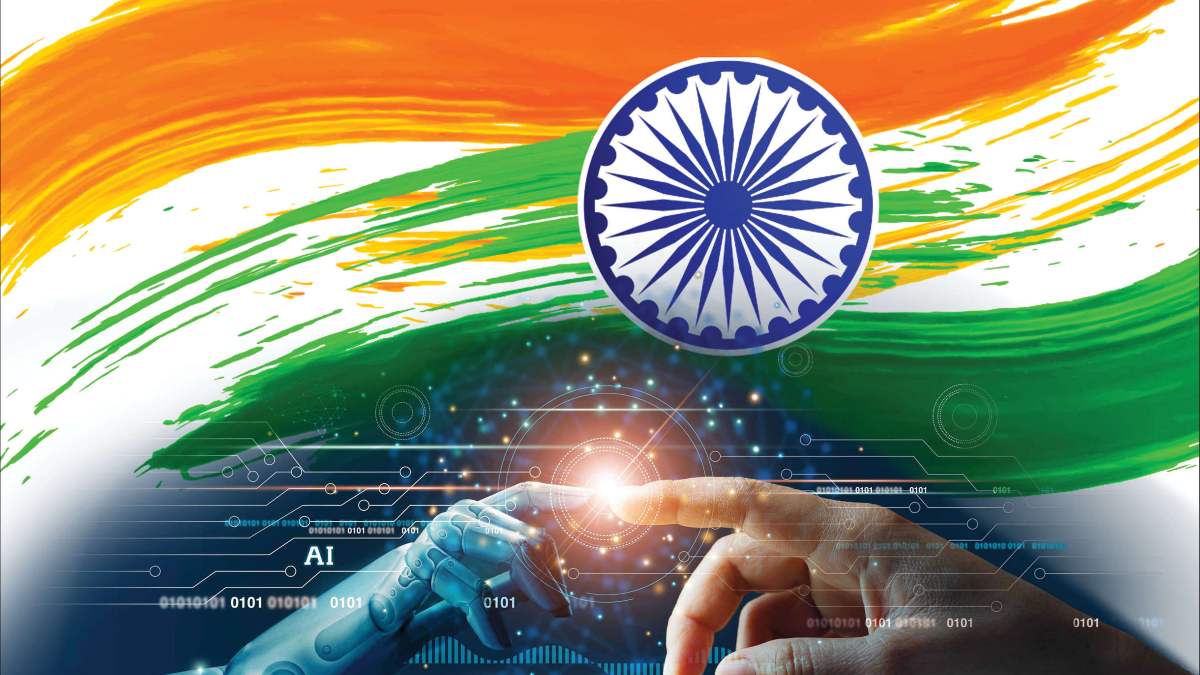
Artificial Intelligence or AI has revolutionised technology. As a transformative technology with the power to change trends in the world, AI has dug its feet in various sectors. Be it healthcare, agriculture, education, or finance, AI is driving innovation, creating opportunities, and setting possibilities. The current trends in AI in India are tremendous, eye opening, and nothing sort of a sci-fi dream. Let’s explore how Artificial Intelligence is taking India by a storm and what are some aspects of it: 

Current Trends in AI in India: 

When we explore the adoption of AI in India, there are five major sectors to focus upon. Healthcare, agriculture, education, finance, and e-commerce are the areas where AI is setting precedence. Be it technological advancements, or revolutionary innovation, Artificial Intelligence is changing the dynamics in India. Read more to find out how AI is affecting the various sectors: 

Healthcare 

  • Diagnostics: AI-powered diagnostic tools are being utilised to detect diseases such as cancer, tuberculosis, and diabetic retinopathy. Furthermore, AI’s role in these areas has provided high accuracy results.  
  • Telemedicine: Telemedicine or online circulation of medicine is being optimised and revolutionised by AI. This will result in a better future of the medical industry. 
  • Predictive Analytics: Predictive analysis by AI is used to predict disease outbreaks and patient outcomes. Moreover, this results in better allocation of resources, and overall treatment management. 

Agriculture 

  • Precision Farming: AI technologies such as drones are used for crop monitoring, soil health analysis, and weather predictions. These aspects can change the future of agriculture. 
  • Smart Irrigation: AI systems are used to optimise water usage, increase output, and commodify the traditional approach to agriculture. By predicting the water needs of crops based on weather conditions, AI is revolutionising irrigation. 
  • Supply Chain Optimisation: By predicting demand, AI is enhancing agricultural supply chain. Moreover, it is aiding to the overall reduction of wastage, and improving logistics. 

Education 

  • Personalised Learning: Through personalised learning models, AI is being used to provide tailor-made solutions for individual students. 
  • Automated Grading: AI in automated grading is ideal for providing real-time feedback, insights, and simplify the work of educators.  
  • Virtual Tutors: When it comes to education, AI is employed for virtual tutors who are available 24/7. These virtual identities are always present to assist students with their queries and provide an interactive learning environment. 

Finance 

  • Fraud Detection: Banks and financial institutions are using Ai to detect fraudulent practices. Moreover, AI is further employed to strengthen security systems. 
  • Customer Service: AI chatbots, automated systems, and virtual assistants are streamlining customer service. Moreover, these tools are providing instant customer support, handling queries, and offering financial advice.  
  • Credit Scoring: Through AI, finance bodies can assess credit ranges and how it can be awarded. In addition, this analysis enables the access to credit for individuals and businesses.  

E-commerce 

  • Personalised Recommendations: When it comes to e-commerce platforms, AI is being used to analyse algorithms and provide personalised solutions. For example, most e-commerce platforms are implementing AI to understand consumer trends. 
  • Inventory Management: AI in e-commerce also improves efficiency through optimised inventory management. It predicts demand and automates restocking processes, streamlining costs and workload. 
  • Customer Insights: AI tools help e-commerce businesses to understand costumer needs, demands, and preferences, and then produce marketing strategies accordingly. 

A Guide to Meditation and its Benefits 

sachin |

Meditation and mindfulness have become the need of the hour because of our busy lifestyles. People have become more and more invested in the hustle bustle of life and are often oblivious of their health issues. Thus, it is essential for people to spend time focusing on their health. However, sole focus on physical health is not enough; mental health should also be prioritised. Paying attention to mental health and wellbeing, starts from identifying underlying reasons of poor mental health. Next, people should engage in mindfulness techniques to heal these underlying issues. Here are some of the types of meditation techniques you can do to achieve better mental health: 

  • Mindfulness Meditation: This technique originates from Buddhist teachings and involves being present in the moment. Moreover, it focuses on bringing your attention back to the present moment when your mind wanders.  
  • Transcendental Meditation: Developed by Maharishi Mahesh Yogi, Transcendental technique involves repeating a mantra to settle the mind. This repeated mantra is set to instil a state of restful alertness.  
  • Guided Meditation: This type requires a guide or teacher to walk you through your meditation session. This step-by-step guidance allow you to walk smoothly through the meditation process. 
  • Metta: Also called Loving-Kindness Meditation, Metta practice focuses on positive affirmations. These affirmations cultivate a sense of love and compassion for yourself and others. 
  • Body Focus/Scan Meditation: This form of mindfulness involves paying attention to the different parts of the body and focusing your thoughts to understanding the sensations behind the different body parts. 
  • Zazen: Also known as Zen Meditation, this technique focuses on the Zen Buddhist tradition of meditative thoughts. The technique involves sitting in a specific posture, such as the lotus position, and focusing on your breath while observing thoughts without attachment. 

Benefits of Meditation:  

Meditation has several benefits on the human body. Be it mental peace, physical wellness, or spiritual awakening, meditative thoughts and mindfulness can allow people to transcend from the general plane to a higher form of living. The following are some of the benefits of meditation: 

  • Mental Health Benefits: This practice has immense role to play in mental health and wellness. Mindfulness is seen to reduce stress, improve anxiety management, enhance focus and instil a sense of balance, and promote emotional wellbeing.  
  • Physical Health Benefits: When it comes to physical wellbeing and consciousness, there are several positive outputs. This special aspect lowers blood pressure, improves sleep and combats insomnia, manages pain and improves pain tolerance, and regulates the immune system.  
  • Spiritual Benefits: The spiritual benefits of this art comprise of heightened awareness and understanding of yourself and the world. In addition, it also fosters inner calm, contentment, and connection to the higher self. 

How is fast fashion impacting the environment? 

sachin |

Fast fashion, or the rapid production of inexpensive clothing catering to recent trends, is having a significantly adverse effect on the environment. While this avenue offers affordable fashion choices to customers and fulfils their needs, it comes with a huge price: the environment. The fast fashion industry has a substantial environmental impact ranging from high resource consumption, pollution, extreme waste generation, to high levels of carbon emission. The effect of fast fashion on the environment is detrimental, to say the least, and due to changing trends, it is not going to go out of practice anytime soon.  

Big corporations have not just established themselves in the industry but are adding to the adverse effects of fast fashion. Besides high resource consumption, this area is one of the leading reasons behind pollution. Keeping this in mind, it is essential for people to opt for sustainable options and implement sustainable fashion choices. The following are some of the negative effects of fast fashion:  
 
Negative effects of Fast Fashion: 

  • High resource consumption such as water usage and energy consumption. The fashion industry is one of the largest consumers of water and the production of even a single cotton t-shirt can require up to 2700 liters of water. In addition, fast-fashion energy consumption contributes to the industry’s increased carbon footprint. 
  • The chemicals used in treating fabrics under fast fashion add to the overall pollution levels. Moreover, washing synthetic garments releases microplastics into the waterways and these plastic particles are ingested by marine life. Thus, entering the food chain, they are potentially harming human health. 
  • Since fast fashion promotes and revels in throwaway culture, the short product lifespan results in unfathomable amounts of textile waste. This waste, undeniably, ends up in landfills. Moreover, the use of non-biodegradable materials such as polyester leads to further environmental damage. 
  • Fast fashion is also a huge contributor to increased carbon footprint. With the globalised manufacturing under this arena, transportation networks rely on fossil fuels. Furthermore, production emissions are also responsible for extreme climate change and fluctuations. 
  • The social impact of this sector focuses on unethical labour practices and how it affects the overall lifestyle of workers. With poor labour conditions such as low wages, long working hours, and unsafe working environment, fast fashion has singlehandedly lowered the lifespan of its workers. In addition, this may seem like a social issue, it indirectly impacts environmental sustainability. Here workers often lack the means to advocate for environmentally healthy practices.  


Digital Detoxing: What is it and how to practice it 

sachin |

With the digital world expanding at a rapid rate, all of us are glued to our phones. Be it social media apps such as Instagram, YouTube, Facebook, Snapchat, X, or online news portals and similar platforms, we are often stuck in a cycle of continuous scrolling. Doom-scrolling has negatively affected people, worldwide, and is still progressively worsening the overall condition of people on social media and other platforms. Thus, nowadays, it is important for people to engage in detoxing practices, and digital detoxing is the way to go!

Digital Detoxing is the act of going completely offline and ditching the overall use of our digital devices. Increasing screen time in modern times is adversely affecting our physical and mental health. It is essential for people to maintain a healthy balance between digital and offline activities to instill a sense of moderation. Here are some of the benefits of digital detoxing, and how you can actively implement it in your life: 

Tips to implement Digital Detoxing: 

The first step to implementing digital detoxing is by identifying the underlying problem to an increased screen time. Do you work at a place where you must be constantly on your phone or laptop? Do you not get time to get away from your devices? Or are you simply stuck in a loop of doom-scrolling out of boredom? It is essential for people to identify what the issue is, in order to let go of their devices. While work and professional commitments can’t be avoided, one can try to cut down on the time they spend on one’s devices, beyond work. Here are some tips you can follow to let go of your phone or laptop: 

  • Engage in hobbies beyond the digital world 
  • Invest in things that bring joy, such as listening to music or reading 
  • Spend time with friends and loved ones 
  • Set timers of use on your devices 
  • Avoid using social media excessively 
  • Uninstall apps which incite doom-scrolling 

Benefits of Digital Detoxing: 

There are several benefits to digital detoxing. Beyond the obvious mental health benefits, digital detoxing can also promote physical wellness. Let’s read some of the benefits of digital detoxing: 

  • Reduction in stress and anxiety  
  • Reduction in eye strain and headaches 
  • Less mental fogs 
  • More time for physical activity 
  • Reduction in sedentary lifestyle 
  • Improved relationship with loved ones 
  • Better focus and concentration 
  • More time for hobbies and creative pursuits 

The aim of digital detoxing is to start at a comfortable pace and increase it gradually. We advise you to start your journey with at least 30 minutes a day, and then up by the day. For example, when you start with 30 minutes a day, you can easily stretch it to 2-5 hours in the coming few days. However, it is also essential for you to not make this journey hard. It is imperative for people to make this act enjoyable and not as a punishment. So, happy detoxing! 

Gunfight with terrorists in J&K’s Doda: Captain and Army personnel killed 

sachin |

On July 15, there was a brief gunfight in the Doda district of Jammu and Kashmir between terrorists and security personnel. Kashmir Tigers, a covert organization of the terrorist organization Jaish-e-Mohammad, which is supported by Pakistan, took credit for the attack. The confrontation led to four Army personnel, including an officer and a police officer being executed. Helicopters and drones were brought in to find the terrorists. The incident occurred late on Monday night when the Jammu and Kashmir Police’s Special Operations Group (SOG) and the Rashtriya Rifles troops conducted a combined cordon and search operation at Dhari Gote Urarbagi in the Desa forest zone, around 55 km from Doda town. 

Authorities reported that at approximately 7:45 p.m., a search and cordon operation was started in the Desa woodland region, which is where the gunfight started. During the first twenty minutes or more of the firefight, security men were injured. Officials claimed on Monday that the injured were flown to a hospital and that their condition was listed as “critical”. They claimed that there were two to three suspected terrorists hiding in the neighborhood, which is why the operation was still ongoing. 

Following a brief gunfight, the officials reported that the terrorists tried to escape but were captured by the troops under the command of an officer, who pursued them over difficult terrain and dense forest. This resulted in another gunfight in the woods at almost nine o’clock at night. Four of the soldiers including the officer later died from their wounds, while five soldiers were left gravely injured in the fight, according to the officials. Defense Minister Rajnath Singh was informed over the phone about the ground situation in Doda by General Upendra Dwivedi, the Chief of the Army Staff (COAS). 

The terrorist organization “Kashmir Tigers” said in a statement that the conflict and gunplay started as the security forces began looking for the “Mujahideen. The same group had earlier taken credit for the July 9 attack on an Army convoy in Kathua. 

Concerning the armed encounter in the Dessa area of District Doda, Union Minister Jitendra Singh has voiced strong concerns. Taking to X (formerly known as Twitter), he wrote, “Deeply disturbed by the reports of an armed encounter in the Dessa area of district #Doda in my Lok Sabha constituency. Words fall short of condoning and condemning the martyrdom of our Bravehearts. Let all of us join to defeat the nefarious designs of the enemy and, maintain peace and harmony for which Doda has always been known for.”  

Moreover, Mehbooba Mufti, the leader of the People’s Democratic Party (PDP), stated after the incident, “Soldiers from all over the country come to Kashmir for their duty, but go back in coffins. Who is responsible for this if you say militancy has ended in the valley?”. She further claimed most casualties occurred in the last 32 months since the current DGP was appointed. 

India’s Beloved Media company “Log Kya Sochenge” Transitions into Video Content

TheIndiaSaga Team |

We love scrolling through reels. We can do it for hours, right? But have you ever thought—what makes video content so much more engaging than photos in today’s social media landscape? India’s beloved meme page, “Log Kya Sochenge,” has found the answer, we guess! And how do we know that? Well, their shift from static images to dynamic video content is proof. 

They are captivating millions with their new short videos. This transition not only highlights the page’s adaptability but also its commitment to engaging a broader audience. Log Kya Sochenge has masterfully tapped into the trend of short video formats, which are currently outperforming on Instagram in terms of engagement and reach. 

By sharing famous dialogues paired with relatable situations, Log Kya Sochenge creates content that resonates deeply with their audience. This clever combination of humour and familiarity strikes a chord, making viewers scroll for more and more. Besides dialogue videos, the page also posts quotes set to compelling music, further enhancing the emotional appeal of their content.

On making a shit about video content, here’s what the founder of Log Kya Sochenge, Neel Shah, said: “Short video formats have become crucial for growth on social media platforms. These bite-sized pieces of content are more likely to be consumed and shared, especially when they feature trending music.”

We truly agree with what he said. The algorithmic boost that comes with using popular tracks helps videos reach a wider audience. Log Kya Sochenge’s right use of this strategy has resulted in several of their videos going viral, garnering millions of views and countless shares. 

Log Kya Sochenge’s transition to video content marks a significant milestone in their growth journey. The page’s blend of humour, relatability, and trendy content has not only attracted millions of followers but also caught the attention of celebrities, who are now among its avid viewers. From the latest news in sports to what’s cooking in B-Town and a sprinkle of current affairs, Log Kya Sochenge gives a perfect mix that makes your feed fun. You should check them out now!

A Journey to Kashi: The Heart of Spirituality 

Shubham Tyagi |

There are countless historical cities around the world, each brimming with vibrant cultures and rich traditions. These cities offer places where one can unwind, find peace, and perhaps even free oneself from the virtues and sins of karma. Among these ancient cities, Kashi, also known as Banaras or Varanasi, stands out as the oldest and most spiritual of them all.  

Kashi: The Oldest City 

Kashi is not just a city; it’s a timeless experience. As you step into Kashi, you feel an immediate connection with its ancient roots. Known as the spiritual capital of the world, Kashi has a way of drawing you in with its mystical charm and deep-rooted history. 

The Beauty of Assi Ghats 

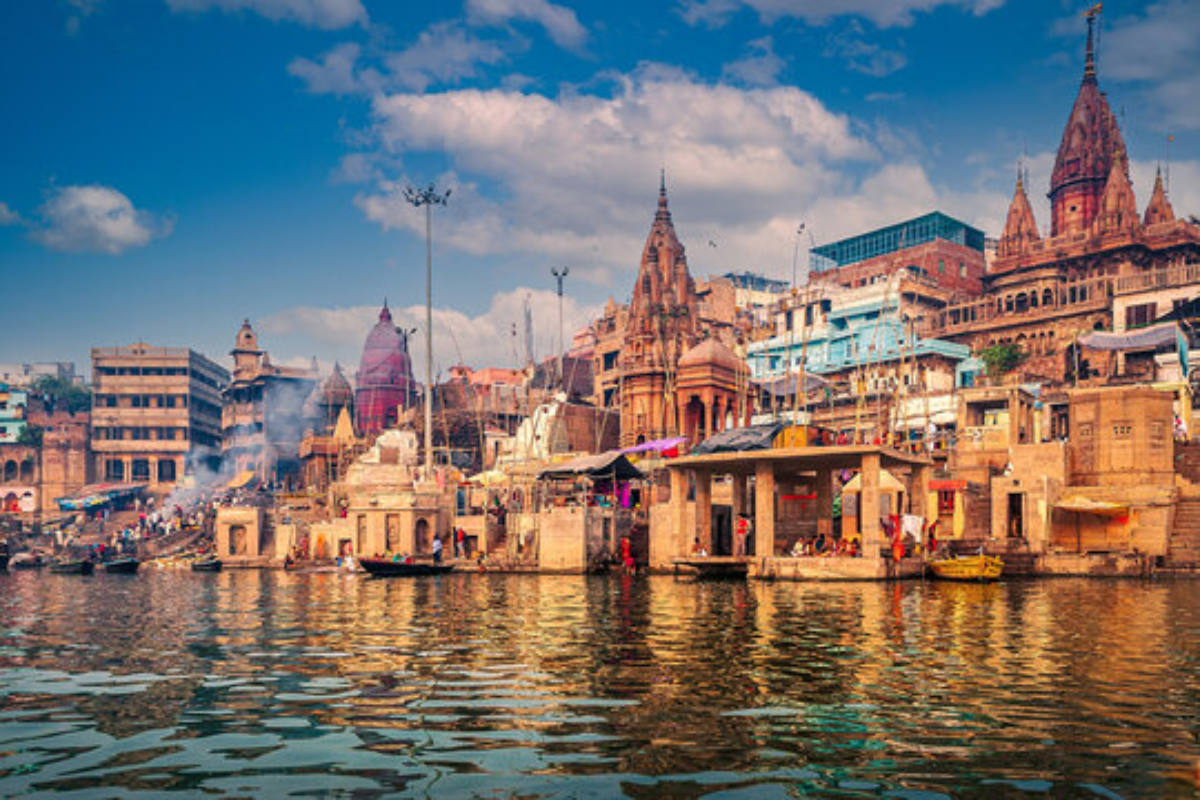
One of the most enchanting aspects of Kashi is the beauty of its ghats, especially the Assi Ghats. These steps leading down to the holy river Ganges are more than just a place to sit and watch the world go by. They are a place where life unfolds in its most raw and pure form. You can see people performing rituals, meditating, or simply enjoying the tranquility of the flowing river. The ghats are a haven of peace amidst the bustling city. 

The Love of Sati and Shiva 

Kashi is also a city of legends and divine love. The story of Sati and Shiva is one of the many tales that give this city its sacred aura. According to the legend, it was here that the grieving Lord Shiva brought the body of his beloved Sati, marking the city with his divine presence. This eternal love story adds a layer of spiritual depth to the city. This story makes this place where love and devotion are eternally intertwined. 

Manikarnika Ghat 

Manikarnika Ghat is another significant spot in Kashi. Known as one of the most sacred ghats, it is believed that those cremated here attain moksha, or liberation from the cycle of life and death. Walking through Manikarnika Ghat is a humbling experience, reminding you of the transient nature of life and the eternal peace that follows. 

Sandhya Aarti at Baba Vishwanath Mandir 

As evening falls, the city comes alive with the sound of bells and chanting. The Sandhya Aarti at Baba Vishwanath Mandir is a sight to behold. This grand evening prayer, dedicated to Lord Shiva, fills the air with a sense of reverence and devotion. The flickering diyas (lamps), the rhythmic chants, and the fragrant incense create an atmosphere that is both calming and uplifting. 

The Street Food of Kashi  

No visit to Kashi is complete without indulging in its delightful street food. The narrow lanes of Banaras are filled with the aroma of delicious snacks. From the spicy chaat to the sweet jalebis, every bite is a treat for your taste buds. The food in Banaras is a reflection of its culture—rich, diverse, and full of flavor. 

Kashi is a city that stays with you long after you’ve left. Its ancient ghats, sacred temples, and vibrant street life create a spiritual and sensory experience. In Kashi, you find a place where you can relax, find peace, and perhaps even attain a sense of liberation from the cycle of karma. It’s a city that reminds you of the beauty of life, the inevitability of death, and the eternal nature of the soul.

How Indian Cinema plays a key role in addressing social issues

Shubham Tyagi |

Cinema in India plays a pivotal role in the cultural fabric. As a form of mass media, cinema addresses social concerns and influences the human psyche. In addition, it raises awareness, fosters empathy, and drives social change. With their wide reach and emotional appeal, films have influenced the minds of people for ages. When we talk about the role of Indian Cinema with regards to social issues, we can say that cinema has a deep impact on how we perceive the world. Let’s read how certain films have addressed the social issues of India:

Films addressing social issues:

Films like “Do Bigha Zamin” (1953), “Mother India” (1957), “Sujata” (1959), and “Article 15” (2019), address and tackled social issues such as untouchability, caste discrimination, and conditions of the lower caste. Moreover, these movies highlighted these issues in the forefront. The aim behind these movies were to highlight the social taboos of India.

Films adding educational value:

“Lagaan” (2001), “Mangal Pandey: The Rising” (2005), and “Toilet: Ek Prem Katha” (2017), are some of the prominent examples of films adding educational value. “Lagaan” and “Mangal Pandey: The Rising” highlighted India’s strife for independence, and “Toilet: Ek Prem Katha” promoted the importance of sanitation. Movies like this aim to educate their audience and wish to bring social change.

Indian Cinema fostering empathy and equality:


Movies such as “Dangal” (2016), and “Pink” (2016) highlight the need for women empowerment and equal rights. Similarly, “Shubh Mangal Zyada Saavdhan” (2020), and “Badhaai Do” (2022) focus on bringing LGBTQ+ stories to mainstream audiences, fostering empathy and acceptance. In the same vein, “Taare Zameen Par” (2007) and “Black” (2005) highlight the challenges faced by disabled individuals, promoting inclusivity and acceptance.

While there are several other examples to highlight the role of movies in the Indian social condition, one can say that these movies have brought revolutionary changes. Some other examples of movies bringing a turnaround are “My Name is Khan” (2010), “PK” (2014), “Slumdog Millionaire” (2008), “Section 375” (2019), “Rang De Basanti” (2006), and more. These movies have not only addressed issues of women safety, equality, and consent, but also other topics such as stereotypes for the impoverished, and youth activism.

PM Modi Austria Visit: Agenda includes Trade, Investment and Peace in Ukraine

Shubham Tyagi |

Prime Minister Narendra Modi made a two-day trip to Austria. He arrived in Vienna from Moscow on July 9. Additionally, he was greeted by Chancellor Nehammer for a private meeting. This visit to Austria celebrates 75 years of establishing bilateral diplomatic relations between the two countries. Modi landed in Vienna with the agenda of strengthening India-Austria bilateral relations. Furthermore, it consisted of strengthening trade and investment as well as defense ties between India and Austria.

The discussion between the two nations which occurred in May 2023 focused on enhancing bilateral ties in trade and investments, defense, consular and migration among other things. This trip holds immense significance since he was the first Indian prime minister to visit Austria in 41 years. Indira Gandhi in 1983 was the last prime minister to do so. Prior to his trip to Austria, Prime Minister Modi declared on Sunday that the foundation for the two nations’ collaboration will be their shared principles of democracy, freedom, and the rule of law.

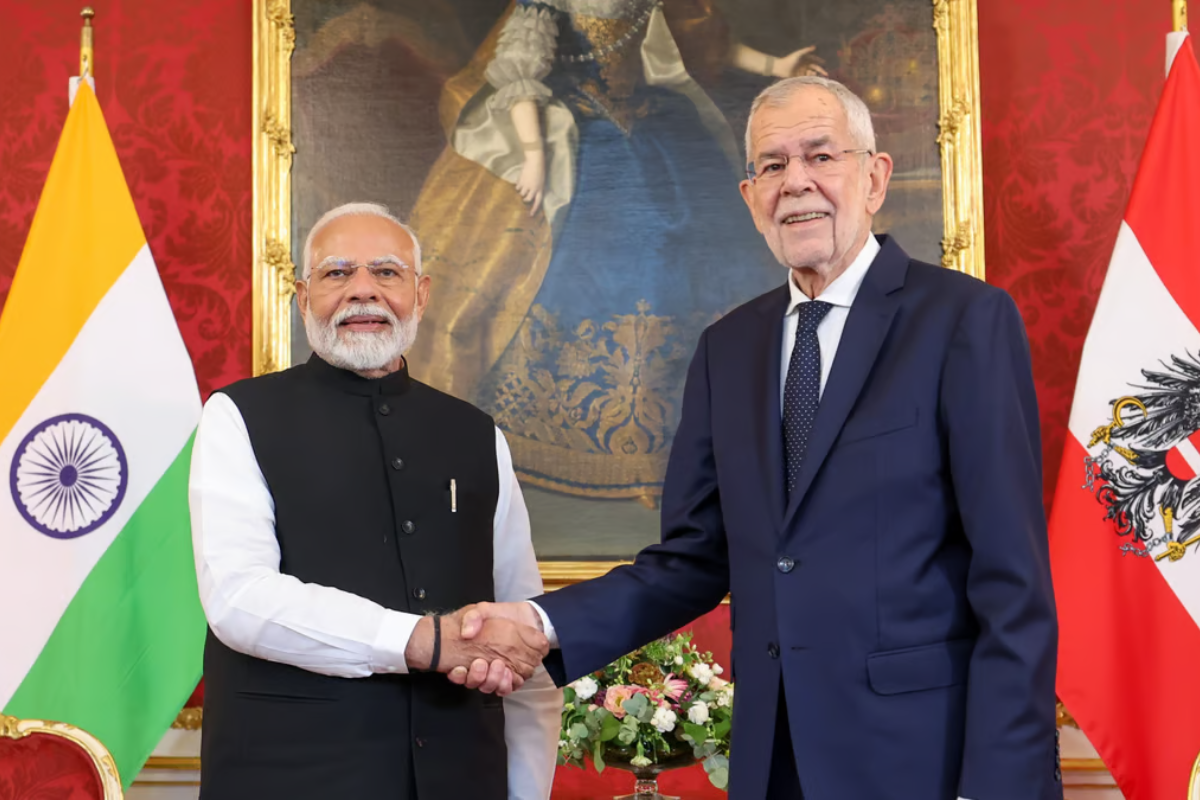
The visit spanned for two days, consisting of meeting Austrian President Alexander Van der Bellen who is fondly called “VDB”. Additionally, meetings with Chancellor of Austria Karl Nehammer also took place. Alexander Schallenberg, the foreign minister of Austria, received PM Modi at the airport.

As he arrived in Vienna, Austrian artists welcomed him by performing Vande Mataram. This gesture warmed the heart of Modi as he took to X (formerly known as Twitter) to share his appreciation for them. PM Modi joyfully stated, “Austria is known for its vibrant musical culture. I got a glimpse of it thanks to this amazing rendition of Vande Mataram!”.

Modi went on to state the various agendas on his list for future collaborations between the two countries. The prime minister emphasized the possibility of bilateral cooperation in infrastructure, energy, emerging technologies, and other areas while extending an invitation to Austrian businesses to invest in India. Furthermore, PM Modi engaged with the Vienna-based Indian community and diaspora.

Moreover, PM Modi stated that there would be significant outcomes from the startup bridge between Austria and India. In addition to highlighting the achievements of India’s digital public infrastructure and efforts to improve connectivity and logistics, he proposed that the two countries collaborate on a hackathon.

PM Modi and Austrian Chancellor Karl Nehammer addressed the gathering of prominent CEOs from India and Austria. With India’s economy projected to grow to become the third largest in the world soon, the prime minister urged Austrian business leaders to take advantage of the growing opportunities in the country.

In a joint statement with Austria, PM Modi reaffirmed that this is not the time for war. “Chancellor Nehammer and I have deliberated in detail all the ongoing disputes in the world, whether it is the conflict in Ukraine or the situation in West Asia. I have said earlier also that this is not the time for war’, PM Modi remarked. ‘We both strongly condemn terrorism. We agree that it is not acceptable in any form. It cannot be justified in any way”, PM Modi further added.

The Federal Chancellery in Vienna, Austria hosted a ceremonial reception for Prime Minister Modi. He was accompanied by Karl Nehammer, the Chancellor of Austria. Additionally, at the Federal Chancellery, PM Modi also signed the guestbook.

Lastly, the conclusion of the visit also extended to the development of the Indian Navy. The Indian Navy will be able to use Unmanned Air Systems (UAS) manufactured in Austria for Intelligence, Surveillance, and Reconnaissance (ISR) in the Indian Ocean Region (IOR). These benefits that India can prevail is the courtesy of PM Modi’s partnership with Austria. This is a significant turning point in the two countries’ technological cooperation.