Logo

Logo

Celebrate Sibling Bonds: National Brother’s Day 2024 is Here

Shubham Tyagi |

We celebrate National Brother’s Day to honour our unique relationship with our brothers every year. Brothers are a true blessing because they are our greatest allies, co-conspirators, and the only people who can truly understand us. In times of crisis and loneliness, their presence, regardless of age, can be a great comfort. Days, months, or even years may pass before you connect, but it feels like old times when you do. Being with your brother can temporarily erase all your worries, no matter how old you are—either 8 or 80.

National Brother’s Day 2024 date and history


Every year on May 24th, we celebrate National Brother’s Day to honour the unique bond between brothers and reflect on how, biological or otherwise, brothers enrich our lives. The first National Brother’s Day occurred in 2005 when Alabaman C Daniel Rhodes set up the event. First observed on November 1st, ‘National Brother’s Day’ was established to honour and recognise the brothers’ contributions to their families.

It’s not just about biological brothers on this day. It’s an opportunity to honour those in our lives who serve as brothers, such as close friends, brothers-in-law, or cousins. These fatherly role models provide companionship, support, and guidance. People are urged to contact their brothers or those who have treated them like brothers to celebrate. This could be a straightforward phone conversation, an event, or even a social media post with the hashtag #BrothersDay.

Every year on May 24th, we celebrate National Brother’s Day to honour the unique bond between brothers and reflect on how, biological or otherwise, brothers enrich our lives. The first National Brother’s Day occurred in 2005 when Alabaman C Daniel Rhodes set up the event. First observed on November 1st, ‘National Brother’s Day’ was established to honour and recognise the brothers’ contributions to their families.

The significance behind National Brother’s Day


Despite their sporadic annoyances, brothers can be some of our closest confidantes and lifelong friends. National Brother’s Day reminds us of this. This day is important because it honours the important role that brothers play in our lives as confidants who know us best, partners in crime, and sources of support. It emphasises the value of ties to one’s family and serves as a reminder of the solace and support brothers can offer in trying and lonely times. On National Brotherhood Day, we celebrate the enduring friendship that cuts over time and distance by encouraging us to cherish these relationships.

Mr & Mrs Mahi’: An Inspirational Cricket Drama Hits Theatres on May 31

Shubham Tyagi |

Rajkumar Rao and Jahnvi Kapoor play the key roles in Mr and Mrs Mahi, based on the life of Indian cricketer M.S. Dhoni. They previously collaborated on the horror-comedy Roohi. Following Neeraj Pandey’s M.S. Dhoni, Mr and Mrs Mahi is the second feature film based on the life of the former Indian cricket team captain. 

On May 31, Mr and Mrs Mahi will be released in theatres to much anticipation. Interestingly, the first review appears ten days before the release. As expected, it mostly complements the sports drama with Rajkummar Rao and Janhvi Kapoor as the lead characters.

About Mr. & Mrs. Mahi Movie (2024)

The reviewer gave the movie high marks, saying that Mr. and Mrs. Mahi’s story was inspirational. The movie’s duration was also disclosed in the review. “Finished watching #MrAndMrsMahi (Censor Copy),” it says. Duration: 139 minutes. The film is a story of hope that brilliantly shows how an unplanned discovery can result in extraordinary sporting accomplishments.

In case you missed it, the main focus of Mr and Mrs Mahi is a couple bound together by their shared passion for cricket. Rajkummar Rao plays an aspiring cricket player driven to succeed, while Janhvi Kapoor plays a doctor who enjoys both playing and watching the game. The man teaches his wife to play cricket because he cannot define himself. It will be interesting to see if the two can pull it off now. Watch the Mr. and Mrs. Mahi trailer. 

Catchy Trailer Description 

After an exclusive Star Sports premiere, the trailer for Mr and Mrs Mahi, a Zee Studios and Dharma Productions production, was released to the public. With Rajkummar Rao and Janhvi Kapoor in the lead roles, Sharan Sharma’s film offers a fresh take on romance and cricket.

The trailer introduces the characters Mahendra (Mahi), played by Rajkummar Rao, and Mahima (also Mahi), played by Janhvi Kapoor. Mahendra, a former cricket player now an enthusiast, encourages Mahima, a doctor with a strong passion for the game, to pursue her goals.

Beyond the Bean: La Bon’s Artisanal Approach to Coffee Roasting

TheIndiaSaga Team |

The specialty coffee industry is changing, leaving behind instant brews and embracing artisanal experiences. The Indian coffee industry is poised for significant growth, with a projected CAGR of 9.87% from 2024 to 2033 (Custom Market Insights). This trend reflects a growing consumer demand for high-quality, authentic coffee experiences. A Mintel study shows that consumers are drawn to transparency and authenticity in food and beverage brands. One such brand that is changing the narrative with freshly roasted coffee beans and ensuring the highest quality is La Bon Beans & Coffee. 

Essence of Authenticity: La Bon

La Bon’s expertise, honed through rigorous training and coveted certifications like the CQI “Q Grader” and SCA “Barista and Sensory Skills,” guarantees meticulous attention to detail and authenticity. Unlike mass-produced brands that prioritize convenience over quality, La Bon operates on a fundamentally different philosophy. Their focus lies in freshness. They roast their beans in small batches only after an order is placed, ensuring that every cup you brew, brims with the bean’s peak flavor and aroma. La Bon Beans & Coffee offers a roast-to-ship experience that transforms your daily cup into a fragrant experience. Contrary to major brands, La Bon’s approach ensures freshness, preserving coffee’s vibrancy.

The La Bon Factor

La Bon distinguishes itself further through their commitment to artisanal roasting. The brand comprises a trio of highly qualified coffee experts each with over 12 years of experience. Additionally, the 2 founders are trained by the Coffee Board of India who aim to turn their roasting process into a carefully orchestrated dance.

Beyond the Roaster: The Channi Brewing Experience

La Bon doesn’t stop at roasting. They offer a unique brewing method – the Channi – a traditional Indian filter known for producing a remarkably clean and flavorful cup. This brewing system complements their freshly roasted beans perfectly, allowing the nuances of each origin to shine through.

Addressing Industry Challenges

Consistency can be a concern, with many roasters struggling to maintain a uniform roast profile across batches. Here, La Bon excels. C. Additionally, some roasters prioritize dark roasts, masking the bean’s natural flavors. La Bon, however, champions a spectrum of roasts, allowing you to explore the unique taste profiles of each origin, from bright and fruity to rich and chocolaty.

Journey Of Crafting Flavourful Adventures

La Bon’s mission is simple: to deliver the freshest, most flavorful coffee experience possible. Their dedication goes beyond just roasting beans; it’s about fostering a deeper connection with your cup. With every sip, you embark on a journey of discovery, savoring the nuanced flavors meticulously coaxed out by La Bon’s roasting expertise.

Ready to Experience the Difference?

Ready to experience La Bon’s specialty coffee firsthand? Visit the La Bon Beans & Coffee website today and follow us on social media for the latest updates and exclusive offers. Explore a world of freshly roasted beans, unleash the hidden potential of your daily cup, and embark on a true specialty coffee experience.

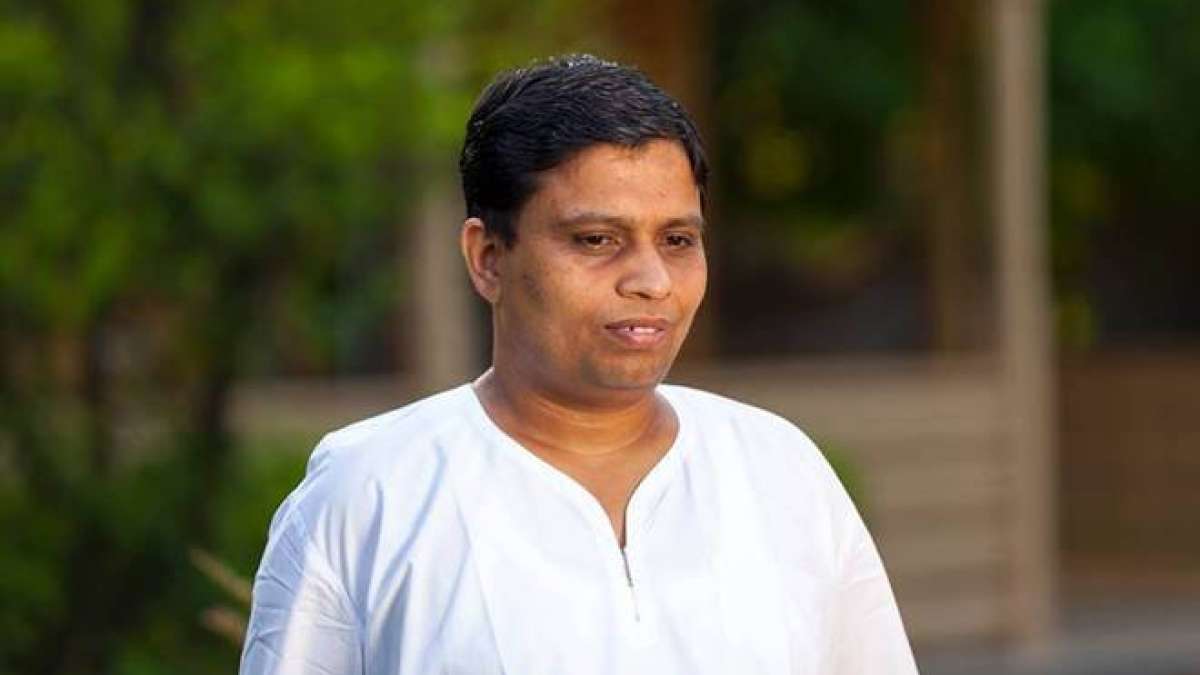
MD of Patanjali Acharya Balkrishna submits apology to SC for false Advt

Arsh Verma |

In an assertion, Patanjali Managing Director Acharya Balkrishna submitted an inadequate apology to the Supreme Court of India for misleading advertisements. He assured the Court that such things would not happen in future.  He stated that Patanjali aimed to bring down the load on the country’s healthcare infrastructure by providing solutions for lifestyle-related medical solutions. For the betterment of the people through Ayurveda.

Patanjali also tendered an “unconditional apology” to the Supreme Court in response to a notice asking it to show cause why contempt proceedings should not be initiated for allegedly flouting an undertaking given to the court. On February 27, the Supreme Court restrained Patanjali Ayurved from publishing advertisements for medicines produced by it for ailments like blood pressure, diabetes, arthritis, asthma and obesity, amongst others. 

In November 2023, the Supreme Court warned Patanjali of heavy fines of up to Rs 1 crore for false claims in advertisements promoting products claiming to treat medical conditions such as diabetes, fever, and epilepsy.

The company would not make any statements about medical productivity or denounce the medical system. The company further mentioned that its motive is to make each and every citizen healthier in their own way and provide them with the best medical treatments. 

Munjya:  India’s first CGI actor can’t get over ‘Munni Badnam Hui’

Shubham Tyagi |

The creators of the film Stree, featuring Shraddha Kapoor and Rajkummar Rao. Return with Munjya, a horror-comedy rumoured to feature India’s first computer-generated protagonist. On Tuesday, Dinesh Vijan’s Maddock Films teased Munjya, which is set in the same universe as its previous films, including Stree and Bhediya. The teaser of the upcoming movie, spanning over a minute, introduces Munjya, a mysterious CGI character, in a secluded forest. The suspense builds as Munjya reacts swiftly upon hearing the iconic song Munni Badnam Hui from Bollywood actor Salman Khan’s 2010 hit movie Dabangg.

Theme of Munjya

The central theme of the film is “Munjya,” a myth deeply ingrained in Indian culture and belief. “Munjya” gives a distinct twist to the genre by being able to frighten audiences in addition to talking and moving. The creature later visits a city to discover where the song originated. Shortly after, it peeps into a room where a few people are viewing the music video. Munjya becomes enraged as the TV is turned off and starts attacking the people in the room. Towards the conclusion, the words “Munnis” appear on the screen. Take caution. He will arrive.

Teaser out

The filmmakers announced on social media platform X that they will unveil the trailer on May 24. They previously released the teaser for the film. Munnis, take heed! Hey, #Munjya, raha hai! For Gen Z, kids, and the whole family, The creators of Stree have crafted the ideal summertime blend of humor and terror! They will release the teaser in three days. Be careful! The post on Maddock Films’ official X handle said, “#Munjya TEASER OUT NOW.”

The film’s creators stated in a press release that it was based on the myth of the same name from Indian culture and belief. Aditya Sarpotdar is the director of Munjya, which stars Sathyaraj from the Baahubali movie along with Sharvari, Abhay Verma, and Mona Singh. Yogesh Chandekar wrote the film, with Niren Bhatt providing additional screenplay and dialogue. Sachin-Jigar composed the music, and Amitabh Bhattacharya wrote the lyrics. Produced by Maddock Films, Dinesh Vijan and Amar Kaushik are behind Munjya. On June 7, the movie will open in theatres across the nation.

Kolkata Kali Temple Serves Noodles as Prasad: A Fusion of Tradition and Modernity

Shubham Tyagi |

Discover how the temple was built by the family of a Chinese boy who was miraculously cured of a disease.

Kolkata, India – In the bustling heart of Kolkata, the city of joy, stands a temple that has recently caught the attention of locals and tourists for its unique approach to tradition. The Kali temple has broken away from conventional norms by serving noodles as prasad, a sacred offering to the deity, sparking curiosity and conversation among devotees and visitors alike. 

As we all know, ‘prasad’ plays an important role in every puja ritual. It is an offering (bhog) made to God and then eaten by devotees after performing the puja. If you explore, you will find the type of prasad varying from place to place. It is yet more fascinating to notice how a region’s food culture influences the prasad menu of a temple (or the area). For instance, halwa and ladoos are constant on a bog thali in North India, whereas, in Bengal, prasad comprises fruits, puffed rice, mishti doi, etc. But have you ever heard of noodles being served as a prasad in a temple? Yes, you read that right! We recently came across a temple in Bengal that distributes desi Chinese delicacies, such as Prasad. 

Noodle’s as Prasad

However, this Kolkata Kali temple, situated in the vibrant neighbourhood of Kalighat, has embraced a modern twist to its offerings. The decision to serve noodles, a popular food item among the city’s youth and a staple in many households, reflects the temple’s progressive outlook and efforts to connect with the younger generation. 

This innovative move is not just about appealing to taste buds; it carries a deeper significance. The temple committee believes that spirituality should evolve with time and adapt to the changing preferences of its followers. This temple exemplifies harmonious fusion in a rapidly modern world where traditional practices often clash with contemporary lifestyles.

Public Opinion

However, the decision had its critics. Some purists argue that altering traditional prasad items undermines the sanctity of the offering. In response, the temple authorities have been keen to reassure that the essence of devotion remains unchanged, regardless of the form the offering takes. The noodles served are prepared strictly according to vegetarian principles, maintaining the sanctity of the offering. Every plate is cooked with care and devotion, ensuring that the spiritual essence of the prasad is preserved.

As the temple continues to attract more visitors, it stands as a testament to the evolving nature of religious practices. By blending tradition with modernity, this Kolkata Kali temple honours the past and embraces the present, creating a welcoming space for all devotees.

The story behind building this temple 

According to the locals, there used to be two stones next to a large tree. They were covered in red powder, and people would pray every day. Then, an amazing thing occurred. An extremely sick Chinese boy seemed unresponsive to medication. At those stones, his anxious parents prayed to Goddess Kali. The boy miraculously recovered!

Following a miraculous experience, the boy’s family built a temple in that location. The Chinese community contributed much work and financial contributions to see the project through to completion. Ultimately, the temple was a proud symbol of cultural harmony between the two.

Best Places to visit in India during Summer Vacations

Shubham Tyagi |

These days, heat waves are at their peak all over India, so people have to feel extreme heat. However, India’s geographical location is such that it also has good places for people to visit during summer. When one can comfortably enjoy the season. When this season comes in India, it brings summer vacations, providing families a good opportunity to travel. For many families, their maternal grandmother’s house is still the favourite place to visit during summer holidays, but there are some places for those who want to beat the scorching heat.

Five best places to visit in summer vacations

Nainital 

Nainital is one of the most talked about places for vacations in school books. Every student, once in his lifetime, definitely wants to visit the tempting Himalayas and lakes. People from Delhi/NCR can arrange a weekend getaway to Nainital during the summer. One of the nicest locations in India is this hill station. Among the well-liked tourist destinations are the High Altitude Zoo and Naina Peak. Additionally, you can engage in sports like paragliding, rafting, and boating.

Kashmir

With its pleasant weather, snow-capped mountains, lovely meadows, lush green gardens, breathtaking water bodies, traditional houseboats, delicious food, charming valleys, amazing architecture, world-famous pashmina, and unadulterated natural beauty, Kashmir draws you closer to the magic of nature. As you explore its tourist attractions more, you become increasingly enthralled with them. It is a starting point for visits to several more stunning Kashmiri valleys.

Shimla

Shimla is the ideal fusion of colonial history and contemporary India. One can tour the magnificent Viceregal Lodge’s halls and stroll Mall Road to experience the local way of life. If a tourist wants to enjoy the outdoors, then one has to go there.

Manali

In Manali, you can enjoy breathtaking views of the snow-capped mountains and the chilly climate. The Rohtang Pass, the Nyingmapa Buddhist Temple, and the Himalayan National Park are a few of Manali’s breathtaking locations. Adventure sports are available to you, including camping, trekking, and rafting. If this is your first time coming here, visit in the summer.

Rishikesh

People travel from all over the world to northern India’s most popular tourist destination. The ancient town of Rishikesh, in search of peace. It is not incorrect to refer to Rishikesh as the “yoga capital of the world.” The location is bustling with tourists who are there to take yoga and meditation classes. There are many ashrams in Rishikesh, some of which are recognized globally as hubs for yoga, philosophy studies, and other age-old Indian healing practices.

International HR Day: From Recruitment to Retention, Crucial Contributions of HR Teams

Roshni Yadav |

On May 20th, International HR Day, HR professionals’ incredible value and beneficial influence on businesses and their workforces are acknowledged and celebrated. As the backbone of any company, HR specialists play a critical role in bringing in top talent, improving the working environment, and navigating the challenges of a rapidly changing business environment. Shaping the New Future is this year’s theme, emphasising how important HR is to fostering an inclusive, welcoming, and sustainable future for work. 

Since it is an essential part of their daily work, HR professionals are no strangers to the significance of employee retention. However, human resources has the highest turnover rate of all professions. Due to the demanding nature of their work, HR professionals are prone to burnout, further compounded by a lack of recognition and appreciation. 

The Importance & Roles Of HR Individuals

Human resources are the key to any organisation’s success; they are more than just the office party planners or the paperwork police. By securing a company’s most valuable asset—its employees—HR promotes growth and competitiveness, moulds the workplace culture and environment, and maintains employee performance, engagement, loyalty, and well-being.

Talent Management: Hiring and Holding on to Talent An Outstanding Group

The HR department’s talent management team is essential to attracting, nurturing, and keeping top talent. Recruiters are the architects of a robust workforce. They are responsible for finding applicants, conducting interviews, and ensuring the onboarding procedure runs smoothly.

Employee relations or support aims to enhance the employer-employee relationship. In addition to resolving workplace conflicts and fostering harmony, productivity, and success, managers in this role also promote employee engagement, job satisfaction, and organisational culture.

Pay & Benefits: Recognizing Excellence & Fostering Well-Being 

HR responsibilities in pay and benefits include creating attractive pay scales and all-inclusive benefit plans. They assess industry standards, determine equitable remuneration, and work with talent management to ensure efficient succession planning. They also arrange retirement plans and negotiate group health insurance rates to support workers’ financial security. 

Workplace Safety: Giving Protection First Priority

Maintaining a safe and healthy workplace is an essential tactic for any prosperous business, and it is also required by law. The HR department creates safety training courses, keeps the required documentation, and works with benefits experts on workers’ compensation claims. They exhibit a dedication to Occupational Safety and Health Administration compliance and employee well-being.

Training & Development: Unlocking Potential & Driving Growth

The training and development team empowers employees to realise their greatest potential in their positions. Through professional development initiatives, leadership training, and orientation programs, they provide employees with the knowledge and skills necessary for success.

International HR Day is especially important for honouring and recognising HR professionals because of their significant influence on organisational success. But what exactly is the difference between appreciation and recognition? These terms are sometimes used synonymously but have different meanings and purposes. 

Acknowledging accomplishments or performance is the act of recognition. This could be given formally with a thank-you speech or a public shout-out, or it could take the shape of prizes, bonuses, promotions, and raises. Employees are encouraged to aim for greater success because they are significant and inspiring. However, there are some inherent limitations since recognition is: 

  • Conditional due to its performance-based nature 
  • Retrospective rather than rooted in the present 
  • It is scary as not everyone can get a promotion, raise, etc. 
  • This is offered from the top since formal recognition, such as promotions, raises, etc., is usually given by senior leaders. 

HR professionals tirelessly tackle challenges, drive growth, and support organisational success. So, while International HR Day is a designated time to recognise and appreciate HR professionals, it is important to extend appreciation beyond the observance. By making gratitude a daily practice, organisations can cultivate a culture where HR professionals feel valued, supported, and motivated to continue their vital work.

Top 7 highly anticipated films premiering at the 2024 Cannes Film Festival

Shubham Tyagi |

The Cannes Film Festival initiates the process of selecting a number of the year’s top films each year. One of the most prominent festivals. Its 77th edition features a wide selection of intriguing new films from international filmmakers. Here are the selected few movies you should watch, in random order.  

All We Imagine as Light

Three decades later, an Indian feature film competing? Audiences are incredibly excited for Payal Kapadia’s All We Imagine as Light film. The story of this Indo-French production centres on Prabha (Kani Kusruti), a nurse who is surprised by a gift from her long-estranged husband. Anu, her roommate and younger friend (Divya Prabha) is looking for a quiet place to spend time with her partner. After travelling to a beach town, the two women discover that there is room for their aspirations to flourish. Her previous work, the documentary A Night of Knowing Nothing, won the Golden Eye award at Cannes a few years ago, and this is also Kapadia’s first feature debut.

Kinds of Kindness

Yorgos Lanthimos appears to have fully embraced his fascination with strangely funny and nonconformist roots from the Dogtooth era with his most recent competition feature. With some humorous trivia, Kinds of Kindness arrives. It was recorded during Poor Things’ post-production, bringing him back with actors Margaret Qualley, Emma Stone, and Willem Dafoe. This is also a triptych of separate stories combined, clocking in at 165 minutes. This one will be quite the ride if the crazy early reviews are any guide.

Megalopolis

With his masterpiece Megalopolis, Francis Ford Coppola returns to the French Riviera after many years away. It is undoubtedly a cinematic event of some sort. The fact that he used all of his wine fortune to self-produce Megalopolis tells the story of a renowned director who finally lets his creative freedom run wild and tells a story the way he wants to. After its premiere, the movie stars Aubrey Plaza, Giancarlo Esposito, Adam Driver, Nathalie Emmanuel, and Laurence Fishburne, has already caused controversy among critics.

The Balconettes

The closest thing fans of Portrait of a Lady on Fire imagine is a reunion. Working with Céline Sciamma, Noémie Merlant wrote the screenplay for The Balconettes, her sophomore feature film. In this dark comedy, Merlant, Sanda Codreneau, and Soheila Yacoub portray three women obsessed with their neighbours’ lives during a severe heat wave.

Santosh

In addition to All We Imagine as Light, Sandhya Suri’s drama Santosh, which opens in the Uncertain Regard section at Cannes this year, is another film showcasing India. The movie centres on Shahana Goswami, a widow whose late husband was assigned to the police force.

The Apprentice

Is there a market for a movie about a young Donald Trump? Cannes certainly is. In Ali Abbasi’s The Apprentice, Sebastian Stan portrays the former President. He recounts his early years as a protégé of attorney Roy Cohn (played by Jeremy Strong’s Kendall Roy in Succession). Even further, Abbasi asserts that The Apprentice is not satire. Maria Bakalova, who plays Ivana Trump in Borat, was cast.

Oh, Canada

Oh Canada, a film that Paul Schrader is presenting at Cannes, is thought to be his most autobiographical work to date. Richard Gere plays writer Leonard Fife and his journey to Canada in this Competition entry based on Russell Banks’ novel Foregone. Uma Thurman, Michael Imperioli, and Kristine Froseth make up the supporting cast, with Jacob Elordi portraying the younger version of him.

A Beginner Guide to Understanding Blockchain

Roshni Yadav |

Blockchain applications have multiplied since the launch of Bitcoin in 2009 thanks to the development of smart contracts, decentralised finance (DeFi) apps, non-fungible tokens (NFTs), and other cryptocurrencies.

What is Blockchain? 

The definition of a blockchain is “a distributed database that keeps an ever-expanding list of ordered records, called blocks,” Cryptography is used to link these blocks together. Each block has transaction data, a timestamp, and a cryptographic hash of the block before it. A blockchain is a distributed, public, decentralised digital ledger that records transactions across numerous computers. Its purpose is to prevent record tampering without affecting all subsequent blocks and network consensus.

Trust is only required when a user or program enters data, as blocks cannot be changed. This feature lessens the requirement for reliable third parties, typically auditors or others who incur expenses and make mistakes.

How Does a Blockchain Work?

You may have worked with databases or spreadsheets before. Since a blockchain is a database that stores and enters information, it is comparable in certain ways. However, the structure and accessibility of the data distinguish a blockchain from a conventional database or spreadsheet.

A blockchain comprises scripts that carry out the operations typically performed in a database: entering, retrieving, and saving data, among other things. A distributed blockchain requires multiple copies to be saved on numerous machines and must match to be considered legitimate.

Like a cell in an information spreadsheet, the blockchain gathers transaction data and stores it in a block. When filled, an encryption algorithm is applied to the data, generating the hash—a hexadecimal number. After that, the hash is encrypted along with the other data in the block and added to the next block header. As a result, a chain of linked blocks is produced.

The Benefits of Blockchains 

1. Ensure Security 

Your data is important and sensitive, and blockchain can drastically alter your perspective on this vital information. The blockchain assists in the prevention of fraud and illegal activity by producing an unchangeable, end-to-end encrypted record. By using permissions to restrict access and anonymise personal data, you can address privacy concerns on the blockchain. Information is stored across a network of computers rather than on a single server, making it more difficult for hackers to access data.

2. Great transparency 

With blockchain, every organisation can maintain a separate database. Blockchain records data and transactions in multiple locations identically using a distributed ledger. Full transparency is ensured because all network users with authorised access view the same data simultaneously. Every transaction is time- and date-stamped and irreversibly recorded. 

3. Time conservation

Transaction times on blockchain are reduced from days to minutes. Because transaction settlement doesn’t need central authority verification, it can happen more quickly.

4. Cost savings 

Costs are saved, transactions require less supervision, and valued items can be directly exchanged between participants. Blockchain makes work less redundant by allowing users to access a shared ledger.

The Difference: Centralized vs. Decentralized Systems

Conventionally, a single organisation, like a bank or government agency, stores and manages the data in these systems. The risks inherent in this centralised approach are as follows: there are single points of failure, and it is easily manipulated or censored.

Conversely, blockchain is a decentralised network in which every user or node keeps a copy of the complete ledger. Consensus processes validate and append transactions to the blockchain, ensuring that no one party controls the entire network.

Unlike conventional centralised systems, decentralised systems like blockchain offer many significant advantages. They are safer because there isn’t a single point of failure or attack. The ledger’s integrity can still be preserved even if one machine on the network is compromised. Furthermore, decentralised systems are more transparent because anybody can view the complete blockchain and all the transactions that have occurred.

Blocks and Chains

Blockchain’s basic units of analysis are “blocks,” which are collections of transactions. The links connecting each block to its predecessor form a chronological chain of blocks, producing an immutable transaction record. This chain of linked blocks makes it nearly impossible to change historical data without the network’s approval.

Transactions 

The blockchain ensures that transactions are transparent and unchangeable. A participant starts a transaction, broadcasts to the network, and is validated by nodes using sophisticated cryptographic algorithms. After verification, the transaction is appended to the blockchain and permanently recorded as part of a block.

Consensus Mechanism 

Consensus mechanisms are essential to validate transactions and preserve the blockchain’s integrity. Two well-liked consensus algorithms are Proof of Work (PoW) and Proof of Stake (PoS), each with unique benefits and drawbacks. PoS measures the influence of participants by their stake in the network, whereas PoW uses computational power to validate transactions.

What are the limitations of blockchain? 

1. Scalability: Scalability is one of the main issues blockchain technology has regarding distributed applications. As the number of participants and transactions in a blockchain network increases, the system’s capacity to handle the load becomes a significant concern. 

2. Energy Consumption: Another disadvantage of blockchain technology is its high energy consumption. The mining process requires substantial processing power to validate transactions and add them to the blockchain, consequently consuming much electricity. 

3. Regulatory Uncertainty: The regulatory environment for cryptocurrencies and blockchain technology is still developing in many jurisdictions. Regulatory uncertainty may impede blockchain technology adoption and investment.

4. Data Privacy: Blockchain technology presents issues with privacy and confidentiality even though it provides immutability and transparency. Sensitive data is frequently protected in traditional centralised systems with safeguards in place, but in a blockchain network, every transaction is visible to every member.

5. The intricacy and learning curve of blockchain technology is noteworthy. It encompasses intricate ideas like distributed systems, cryptographic algorithms, and consensus mechanisms. Some organisations may need help to enter the blockchain space due to the expertise required to comprehend and apply blockchain solutions.

Beyond Bitcoin: Applications of Blockchain

The mechanism behind Bitcoin (BTC -4.68%) is where the blockchain concept originated. Satoshi Nakamoto created an unchangeable ledger of transactions that connects data blocks using digital cryptography to address the double-spending issue related to virtual currencies. Blockchain technology has many other practical uses, even though it works incredibly well for cryptocurrencies like Bitcoin. 

Financial exchanges

Many businesses offering decentralised cryptocurrency exchanges have appeared in the last few years. Faster and less expensive transactions are possible when using blockchain for exchanges. Decentralised exchanges also give investors more control and Security because they do not require depositing their assets with a centralised authority. The idea could also be used for more conventional investments, even though blockchain-based exchanges mainly deal in cryptocurrencies.

Lending

Smart contracts on blockchain technology enable lenders to carry out collateralised loan transactions. Blockchain-based smart contracts allow specific events to automatically initiate actions such as service payments, margin calls, loan repayment in full, and collateral release. Lenders can offer higher rates due to quicker and less expensive loan processing.

Insurance

Customers and insurance providers may benefit from increased transparency through smart contracts on a blockchain. Customers could only make one claim for the same event if all claims were recorded on a blockchain. Smart contract implementation also expedites the claimants’ payment process.

Supply chain monitoring and logistics

There are several benefits to tracking goods as they travel through a supply chain or logistics network using blockchain technology. First, because data is accessible on a secure public ledger, it facilitates communication between partners easier. Second, since data on the blockchain cannot be changed, it offers higher security and data integrity.

Voting

We are only a few steps away from using blockchain technology to cast our votes if personal identity information is stored on it. Voter fraud can be prevented, duplicate votes cannot be cast, and only eligible voters can cast ballots using blockchain technology. Furthermore, making voting as easy as tapping a few buttons on your smartphone can expand voting accessibility. The price of holding an election would also significantly drop at that point.

What is the Future of Blockchain?

Blockchain technology is poised to revolutionise industries across the board. Its decentralised and transparent nature offers unparalleled Security and trust in data management. In finance, blockchain streamlines transactions, reducing costs and eliminating intermediaries. Beyond finance, it’s reshaping supply chain management, healthcare, and voting systems, ensuring data integrity and fostering innovation. As blockchain matures, its potential to disrupt and transform industries will continue to grow, fundamentally altering how we interact with and trust data.

What is Cryptocurrency, and How Does it Work?

How can we emphasise its potential to disrupt various industries and reshape how we interact with data? 

Blockchain technology can disrupt numerous industries and fundamentally change how we interact with data in the future. Its decentralised and immutable nature offers unparalleled Security and transparency, paving the way for transformative applications across sectors.

In finance, blockchain can streamline transactions, reducing costs and settlement times while enabling new financial products and services. It could democratise access to banking services, particularly in underserved regions, and revolutionise how assets are traded and managed.

Supply chain management benefits from blockchain’s ability to provide a transparent and traceable record of product movement from raw materials to end consumers. This transparency can help combat issues like counterfeit goods, improve efficiency, and ensure ethical sourcing practices.

In healthcare, blockchain can secure patient data, facilitate interoperability between disparate systems, and enable more efficient sharing of medical records while maintaining patient privacy and data integrity.

Moreover, blockchain has the potential to revolutionise digital identity management, voting systems, intellectual property rights, and more by providing secure and transparent platforms for various applications.

Looking to the future, blockchain technology promises to create a more interconnected, transparent, and secure digital world. Individuals own and control data in this world, and trust is established through cryptographic consensus rather than centralised authorities. As this technology evolves, its impact on various industries and our interactions with data will only continue to grow.

How can further exploring this evolving technology and its potential applications be encouraged?

Encouraging further exploration of blockchain involves highlighting its dynamic nature and diverse potential applications. Beginners should be motivated to explore the technology’s capabilities beyond its current uses. This includes delving into emerging trends such as decentralised finance (DeFi), non-fungible tokens (NFTs), and decentralised autonomous organisations (DAOs), which are reshaping traditional industries and creating new opportunities for innovation.

Furthermore, beginners can be encouraged to engage with blockchain through hands-on learning experiences such as building simple, smart contracts, participating in blockchain-based projects or hackathons, and joining online communities and forums dedicated to blockchain technology. By immersing themselves in the ecosystem, beginners can gain practical insights and deepen their understanding of blockchain’s potential.

Lastly, it’s important to emphasise blockchain development’s collaborative and interdisciplinary nature. Encouraging beginners to explore the intersection of blockchain with fields like artificial intelligence, the Internet of Things, and cybersecurity can spark creativity and inspire them to envision novel applications and solutions. Ultimately, beginners can contribute to blockchain technology’s continued evolution and advancement by fostering a culture of curiosity and exploration.

Conclusion

For beginners looking to understand blockchain, grasp its decentralised and immutable ledger system, which ensures secure and transparent data transactions. Emphasise its potential to disrupt industries like finance, supply chain, and healthcare while enabling new applications in digital identity, voting systems, and more. Encourage further exploration of blockchain’s evolving technology and its wide-ranging potential applications as it revolutionises various sectors and reshapes our digital future.