Logo

Logo

SIR and the Bihar Elections: The Voter Roll Controversy

Shubham Tyagi |

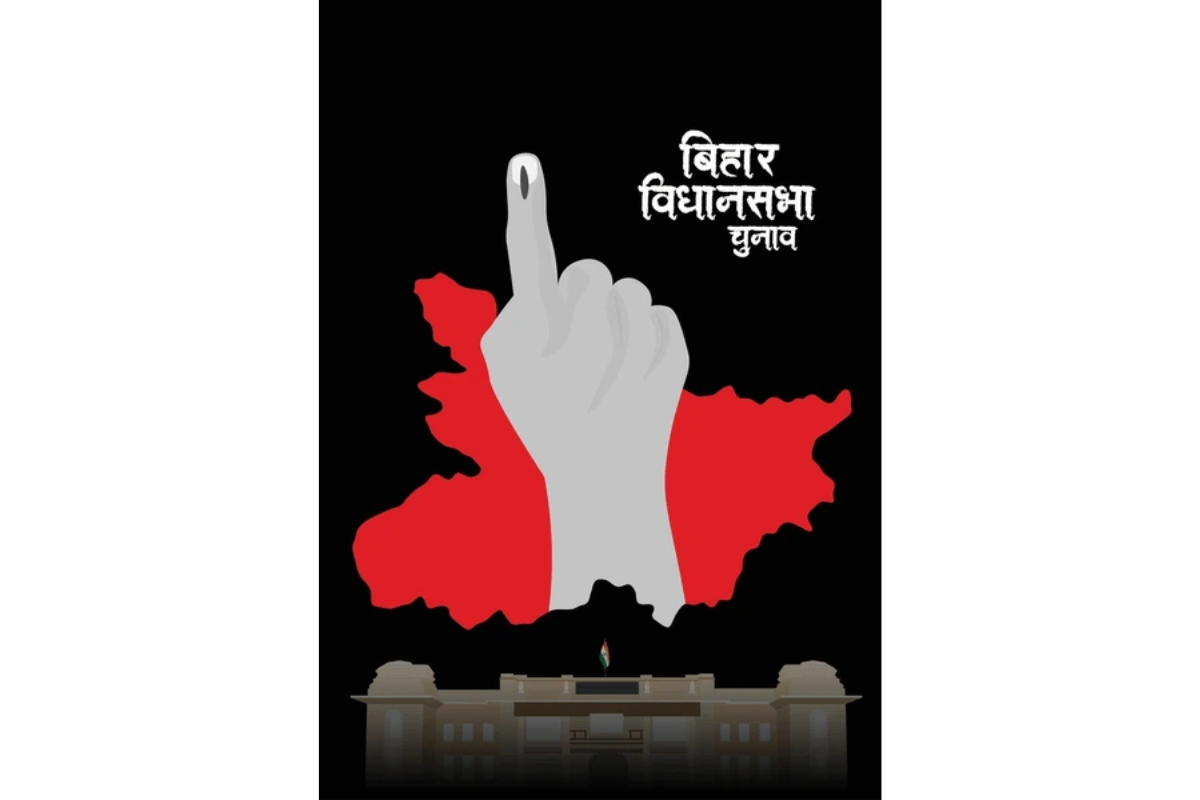
With Bihar headed for assembly elections later this year, a new exercise by the Election Commission of India (ECI) has set off a political firestorm. The initiative, called SIR (Special Intensive Revision), aims to clean and update the state’s voter rolls. However, what was launched as a bureaucratic process has now turned into a major political controversy. Opposition parties are accusing the ECI and by extension, the ruling BJP of using SIR as a tool to disenfranchise large sections of Bihar’s voters. Meanwhile, the BJP-led NDA defends the move as necessary to ensure fair and transparent elections.

What is SIR?

The Special Intensive Revision (SIR) is an ECI-ordered, large-scale door-to-door verification drive of Bihar’s 8 crore registered voters. This includes:

  • Identifying and removing duplicate, ineligible, or deceased voters
  • Verifying entries of voters added since 2003
  • Asking voters to provide fresh documents for verification

This revision was notified on June 24, 2025, and voters were initially given just one month—until July 25—to comply. The EC did not accept common ID proofs like Aadhaar, voter ID cards, or ration cards as sufficient documents in the initial stages.

Why is the Opposition Protesting?

Opposition led by the INDIA bloc (Congress, RJD, SP, and others) has strongly opposed the exercise for several reasons:

  1. Fear of Mass Voter Deletion: They allege that the verification rules disproportionately affect migrants, the poor, Dalits, Muslims, and rural communities, many of whom may not have access to the documents required in such a short timeframe.
  2. Timing and Intent: The timing of the exercise during the monsoon season and harvest period has drawn criticism. Leaders say the short deadline is unfair to seasonal migrant workers who are away from home. RJD leader Tejashwi Yadav said this move smells of a deliberate attempt at “vote bandi” (vote suppression).
  3. Demands for Broader Document Acceptance: A major demand has been to allow Aadhaar, EPIC (voter ID), and ration cards as valid proof of identity and residence documents commonly held by most citizens.
  4. Boycott Threats: The opposition has hinted at a possible election boycott if their concerns are not addressed. In Parliament and on the streets, slogans like “SIR is an attack on democracy” have become common.

EC and BJP’s Response

The Election Commission maintains that SIR is a routine and constitutional process done to ensure free and fair elections. EC officials argue that previous voter lists contained errors, outdated entries, and duplications that needed urgent correction. BJP leaders have echoed similar sentiments, stating that the exercise is essential to maintain voter roll integrity. They accuse the opposition of politicizing a neutral process and spreading panic. The Commission claims it has already verified 98% of households and flagged over 52 lakh anomalies. It also says guidelines were based on precedents from past revisions in other states.

Supreme Court Steps In

On July 10, the matter reached the Supreme Court, which questioned the ECI’s refusal to accept commonly held documents. The court has asked the ECI to reconsider its stance, especially on Aadhaar and EPIC. A further hearing is scheduled for July 28, and its ruling could shape the direction of the entire process.

Political Stakes in Bihar

Bihar is a politically charged state. BJP and its allies are looking to consolidate their hold, while the INDIA bloc is fighting hard to regain lost ground. With marginalized communities forming a large part of the electorate, the outcome of SIR could have serious implications. If large numbers of voters are left out due to document issues, it could significantly alter voting patterns and voter turnout in key constituencies.

What Happens Next?

With growing pressure from civil society, political parties, and now the judiciary, the ECI may be forced to:

  • Extend the deadline beyond July 25
  • Relax document requirements
  • Issue fresh guidelines to ensure no eligible voter is denied their right

The opposition, however, is not backing down. They continue to demand a full rollback of the current rules or a postponement of the election process itself.

SIR, which started as a technical voter roll update, has turned into a symbolic battleground in Bihar’s election war. For the Election Commission, it is a test of transparency and independence. And for political parties, it’s about control over a crucial voter base. For millions of citizens, it’s about their right to vote. As Bihar gears up for polls, one thing is clear: the debate over voter verification will continue to shape the political narrative in the weeks to come.


A Complete Guide on ITR Filing in India

Shubham Tyagi |

Every Indian citizen earning above a certain threshold is required to pay taxes and file an Income Tax Return (ITR) annually. However, many people either delay or skip filing due to lack of awareness or confusion about rules and timelines. Whether you are a salaried employee, a freelancer, a business owner, or even a farmer with taxable income, understanding ITR is essential.

This article explains basics of ITR, how to file it, key benefits, important deadlines (including mid-September and late-December provisions), and what happens if you miss them.

What is ITR?

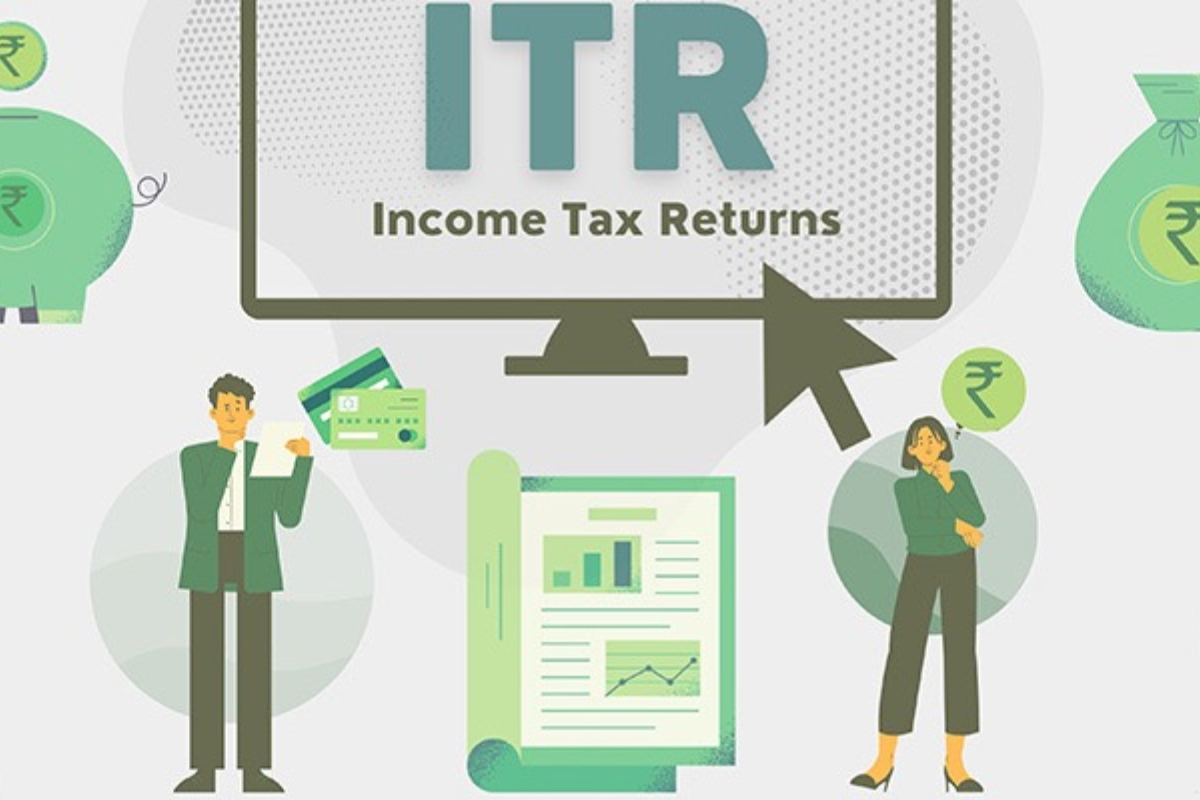
Income Tax Return (ITR) is a form used by taxpayers in India to report their annual income, deductions, tax liability, and payments to the Income Tax Department. The data filed helps the government track tax compliance and refunds. There are different ITR forms (ITR-1 to ITR-7) based on the type of taxpayer and income source:

  • ITR-1 (Sahaj): For salaried individuals earning up to ₹50 lakh.
  • ITR-2: For individuals with income from more than one house property or capital gains.
  • ITR-3: For business or professional income.
  • ITR-4 (Sugam): For presumptive income under sections 44AD, 44ADA, or 44AE.

Each form serves a specific group and needs to be filled accordingly.

How is ITR Filed?

ITR can be filed online via the official Income Tax e-Filing portal. Here’s a basic step-by-step process:

  1. Register/Login to the income tax portal.
  2. Go to e-File > Income Tax Return > File Income Tax Return.
  3. Select:
    • Assessment Year (e.g., for FY 2024-25, assessment year is 2025-26),
    • Mode of filing (Online/Offline),
    • Applicable ITR form.
  4. Fill in details: Personal info, income, deductions, taxes paid, and bank account.
  5. Validate and submit the return.
  6. E-verify using Aadhaar OTP, net banking, or other available options.

Benefits of Filing ITR

Even if your income is below the taxable limit, filing ITR offers many benefits:

  1. Claim Refunds: If excess TDS (Tax Deducted at Source) has been cut from your salary or investment, you can claim it back by filing ITR.
  2. Proof of Income: ITR serves as proof of income and is often required for visa applications, loan approvals, and government tenders.
  3. Carry Forward Losses: Filing ITR allows you to carry forward capital or business losses to offset future gains.
  4. Avoid Penalty: Timely filing helps avoid penalties and legal complications under the Income Tax Act.
  5. Builds Financial Credibility: Regular ITR filing strengthens your financial profile, especially if you’re planning to take credit cards, business funding, or home loans.

Last Date for Filing ITR for FY 2024–25 (AY 2025–26)

  • For individual taxpayers (not subject to audit): July 31, 2025, This is the original deadline for most salaried individuals and small business owners.
  • For businesses/audited accounts: September 30, 2025, Extended deadline applicable to those whose accounts need to be audited.
  • For businesses requiring transfer pricing report: November 30, 2025

What If You Miss the July 31 Deadline?

Don’t worry, the government provides additional options:

1. Belated Return (Section 139(4)) Till December 31, 2025:

If you miss the July 31 deadline, you can still file a belated return by December 31, but with penalties and some restrictions:

  • Late filing fee of ₹1,000 (if income < ₹5 lakh) or ₹5,000 (if income > ₹5 lakh)
  • Losses cannot be carried forward
  • Interest under Section 234A, 234B & 234C may apply

2. Revised Return (Section 139(5)) – Also till December 31, 2025

Made a mistake in your original or belated return? You can revise it up to December 31 of the assessment year.

Mid-September Rule: For Audited Cases

Taxpayers whose accounts are required to be audited (typically businesses with turnover beyond specified limits) have until September 30, 2025, to file their ITR. These include:

  • Professionals earning above ₹50 lakh
  • Businesses earning above ₹1 crore (or ₹10 crore in case of digital transactions)

They must also submit the Tax Audit Report (TAR) by September 30.

Late December Rule: Final Deadline

December 31, 2025, is the absolute last date for:

  • Filing belated returns
  • Filing revised returns
  • After this, you cannot file ITR unless:
    • You approach the Income Tax Commissioner with a valid reason
    • Or receive a notice from the department

What Happens If You Don’t File ITR at All?

Failing to file ITR without a valid reason may attract:

  • Penalties under section 234F
  • Prosecution under section 276CC (for high-value non-filers)
  • Inability to claim refunds or carry-forward losses
  • Interest liability on tax dues
  • Loss of government subsidies, especially for LPG or schemes tied to income

Filing your ITR is not just a legal formality, it is a powerful financial habit which makes you a responsible citizen. Even if you missed the July 31 deadline, you can still file until December 31, though with some penalties. It is better to be late than never. If you fall under audit requirements, the mid-September date applies to you, while December 31 remains the final opportunity to file any ITR (belated or revised) for FY 2024–25. Do not delay, log in to the Income Tax portal and file your return at the earliest to avoid complications.

Harassment for Recovery: Know How NBFCs Like NeoGrowth Are Making Mockery of RBI Guidelines

sachin | Updated :

Banks and Non-Banking Financial Companies (NBFCs) in India are entrusted with the critical responsibility of providing financial support and, when necessary, recovering overdue payments. However, persistent reports highlight that, in many cases, these institutions—especially some NBFCs—have engaged in wrongful, inhumane recovery practices that deeply harm customers’ dignity and, in several tragedies, contribute to loss of life. While many NBFCs, including NeoGrowth, explicitly advertise ethical codes of conduct, real-world experiences sometimes tell a starkly different story.

Wrong Practices in Loan Recovery: The Reality Behind the Policy

Despite official policies that commit to transparency, fairness, and customer dignity, numerous NBFCs employ aggressive recovery measures through agents. Common wrongful practices include:

  • Harassment by phone: Persistent, intimidating, or abusive calls at all hours, often targeting not just borrowers but their family, friends, or workplaces.
  • Public shaming: Defamation via threats to expose the borrower’s debt to neighbours, employers, or colleagues.
  • Abusive language and threats: Use of vulgarity, pressure through threats of arrest, or threats of dire legal consequences, often disproportionate to the default.
  • Intrusive visits: Recovery agents showing up at homes or workplaces without warning, sometimes videotaping or photographing the borrower to intimidate them.
  • Illegal coercion: Compelling borrowers to sell personal belongings, increasing EMIs forcefully, or sending forged, official-looking notices.

These practices are not only violations of privacy and dignity but frequently contradict Reserve Bank of India (RBI) guidelines, which clearly prohibit intimidation and mandate respectful engagement through ethical means. Yet, lack of enforcement and accountability has allowed such actions to become commonplace in sections of the NBFC sector, with borrowers bearing the repercussions.

The Tragic Consequences: Psychological Torture and Loss of Life

The severe psychological impact of relentless harassment cannot be understated. Individuals subjected to these recovery tactics often experience overwhelming anxiety, depression, and social isolation. There are documented cases in India where victims, unable to withstand the sustained abuse and humiliation, have tragically taken their own lives. Family members and vulnerable dependents, equally exposed to threats and derogatory treatment, become collateral victims, experiencing the ripple effects of institutional malpractice.


NeoGrowth, a prominent NBFC working with MSMEs, officially claims rigorous adherence to RBI’s Fair Practices Code, promising transparency, lawful procedures, and grievance redressal for clients. Its official reports and customer testimonials frequently focus on positive financial empowerment—highlighting entrepreneurs’ growth, access to digital finance, and business success supported by fair treatment.

However, broader NBFC criticism
NBFCs as a category—including its peers—have been contributors to India’s ongoing debt recovery crisis. Industry watchdogs and legal analyses warn that even NBFCs with robust ethics policies on paper can sometimes falter in monitoring third-party recovery agents, inadvertently exposing borrowers to the same risks that have marred the reputations of less scrupulous lenders.

The Need for Stringent Oversight and Borrower Protection

The intersection of life and livelihood is critical: when aggressive, unethical loan recovery harms those most in need of support, confidence in digital financial inclusion and institutional lending is severely eroded.

Key recommendations include:

  • Robust enforcement of RBI guidelines and holding institutions—including NeoGrowth—to greater operational transparency in their recovery processes.
  • Strict monitoring of recruitment, training, and conduct of recovery agents.
  • Establishing easily accessible grievance redressal and legal support for harassed borrowers.

Conclusion

Despite the presence of formal codes and the promise of ethical lending—exemplified by NBFCs like NeoGrowth on their websites and reports—the lived experiences of customers across India demand urgent, ongoing scrutiny. Only when all recovery operations match the ethical standards outlined in official policies can the damage to customer lives and socio-economic trust begin to be repaired.

If you or someone you know is facing harassment or threats from bank or NBFC recovery staff, legal recourse is possible. Engage a consumer protection lawyer, document interactions, and consult the RBI’s grievance redressal platform for support.

Online Physiotherapy Services: How to Access Professional Physio Care Remotely

The India Saga Saga |

Discomfort and pain can slip into life unnoticed, whether it’s from desk time that turns into hours, an injury playing a sport that won’t leave, or the process of healing after surgery. Amidst all this, it’s often hard to make time to see a physiotherapist face to face. That’s where online physio services come into play, bringing specialised help closer to your doorstep without the disruption to daily life.

You can now get personalised direction and expert help from your living room just by using a phone or a laptop.

What are Online Physiotherapy Services?

Online physiotherapy services consist of virtual sessions guided by licensed physiotherapists. They evaluate your condition, teach you exercises, and track your improvement through video conferencing. From managing long-term back pain to recovering from an athletic injury, remote treatment lets you be consistent without having to leave the house.

For others, this is not just a convenience. It’s the only feasible way to include physio as a regular part of their regimen.

How Does it Work?

It’s easier than you can imagine to get started. Following online booking of a session, you’ll usually have a video consultation during which your condition is evaluated. You might be asked to make a few movements or explain your symptoms. From this, a customised plan is formulated for you.

You then perform the suggested exercises, guided by you, with real-time feedback to ensure your movements, pace, and posture are correct. All platforms also leave you videos or written guidance so you can practice in between.

Regular follow-up ensures that the progress is monitored and adjustments are made as and when necessary.

Who Can Benefit?

Physiotherapy online is not one size fits all for a particular person or a specific condition. It suits multiple needs:

  • Individuals experiencing desk-related posture issues
  • The elderly who would rather not take the time to travel
  • Those recovering from surgical procedures
  • People suffering from ongoing pain
  • Athletes who need sports physio
  • Anyone who feels it is challenging to find the time for an appointment at the clinic

It’s particularly significant for those residents of major metropolitan areas where congestion and distance easily hinder regular attendance.

Sports Physiotherapy in Bangalore: A New Way to Train Smarter

If you are a sports enthusiast and live in Bangalore, you probably already know how crucial physiotherapy is to prevent injury and heal. With online availability, players don’t have to schedule an appointment with a clinic or miss an appointment because of tight schedules.

You can now avail yourself of expert sports physiotherapy (Bangalore) through remote evaluation, personalised workout routines, and sports-specific recovery strategies based on your sport. Whether you’re a runner who suffers from shin splints or a badminton player who experiences shoulder pain, these virtual sessions ensure that you remain part of the game without compromising safety.

Advantages that Extend Beyond Convenience

Yes, online physiotherapy is convenient. But it also provides a couple of surprises:

  • Home comfort: Having the treatment in a familiar place can make you more relaxed, particularly if you’re experiencing pain or stiffness.
  • Consistency: Less likelihood of missed sessions from travel or scheduling conflicts.
  • Personalised attention: Individualised care without the delay of a waiting room.
  • Improved compliance: If your plan integrates easily into your day, you’ll be more likely to adhere to it.

For most, the home environment results in improved outcomes simply because they’re more relaxed and dedicated.

What to Search for within a Remote Physiotherapy Service

All services aren’t created equal. When selecting an online platform or provider of physiotherapy, keep the following in mind:

  • Well-trained, experienced physiotherapists with valid qualifications
  • Easily understood communication and comfortable session styles
  • Personalised exercise programs, not generic solutions
  • Follow-up mechanisms to monitor your improvement
  • Simple-to-use technology with clear video quality

It is also advisable to read reviews or ask for referrals. Having a good relationship with your therapist will enhance the effectiveness of your sessions.

Preparing for Your Online Session

Prior to your first session, choose a quiet room with sufficient space to move about. Dress in comfortable clothing and have a yoga mat or chair at hand if necessary. A good internet connection and a computer with a camera are the minimum requirements. Do not bother to set up the perfect equipment. What is important is that you are ready and willing to attempt new movements under instruction.

Final Thoughts

You don’t have to sacrifice your routine and professional assistance anymore. Online physiotherapy is a convenient, flexible, and efficient means of dealing with pain, injury rehabilitation, and enhanced mobility.

Whether you’re searching for sports physiotherapy in Bangalore or just trying to find a way to move without pain, remote care can be a strong and supportive option. It’s about giving your body the help it needs, wherever you are.

India vs England 4th Test: Playing XIs Announced

Shubham Tyagi |

As the high-stakes India vs England five-match Test series approaches its fourth chapter, both teams gear up with new lineups, injury updates, and shifting momentum. The fourth Test kicks off at 3:30 PM IST on July 23, 2025, with England leading 2-1 and India battling to stay alive in the series.

England’s Lineup: One Tactical Change

England, led by Ben Stokes, have shown consistency in their selection and performance. Their only change in the fourth Test comes in the spin department. Liam Dawson replaces the injured Shoaib Bashir, making a return to Test cricket after four years. The team continues to rely on the solid form of Ben Stokes, Jamie Smith, Joe Root, and the aggressive strokeplay of Harry Brook and Ben Duckett.

England Playing XI:

Zak Crawley, Ben Duckett, Ollie Pope, Joe Root, Harry Brook, Ben Stokes (c), Jamie Smith (wk), Liam Dawson, Chris Woakes, Jofra Archer, and Brydon Carse.

India’s Lineup: Injuries Force Rejig

Team India walks into the fourth Test with fitness concerns clouding their selection. Two of their frontline bowlers, Akashdeep and Arshdeep Singh, have been ruled out due to injuries. Adding to the woes, promising all-rounder Nitish Reddy has also been sidelined.

The biggest blow, however, is the injury to vice-captain and Test specialist Rishabh Pant, who sustained a thumb injury. If he fails to clear the fitness test, Dhruv Jurel is likely to step in as wicketkeeper, pushing Rishabh Pant up the batting order if fit.

Despite the setbacks, India retains a balanced mix of youth and experience. The likes of Yashasvi Jaiswal and Shubman Gill will be key at the top, while the spin duo of Kuldeep Yadav and Ravindra Jadeja will play a crucial role on a dry pitch in Manachester.

India Probable XI:

Yashasvi Jaiswal, KL Rahul, Sai Sudharsan, Shubman Gill (c), Rishabh Pant / Dhruv Jurel (wk), Ravindra Jadeja, Washington Sundar, Anshul Kamboj, Kuldeep Yadav, Jasprit Bumrah, and Mohammed Siraj.

What’s at Stake?

With England already leading 2-1, a win in the fourth Test would seal the series for them. For India, it’s a must-win game to level the series and keep the fifth Test. The match is expected to see a turning track, especially as the game progresses. Spin could dominate, making Kuldeep Yadav, Jadeja, and Liam Dawson critical figures in their respective sides.

Key Battles to Watch

  • Jasprit Bumrah vs Joe Root: A contest of experience and skill
  • Kuldeep Yadav vs Ben Duckett: Left-arm wrist spin against an attacking opener
  • Yashasvi Jaiswal vs Jofra Archer: Youthful aggression vs express pace

With injuries shaking up the Indian camp and England looking to finish the series early, the fourth Test promises drama, resilience, and high-stakes cricket. Both sides have depth, but India will need character and creativity to bounce back.

Cricket fans across the globe will tune in as this classic rivalry delivers another chapter in Manchester.

Saiyaara: A Fresh Love Story with Deep Emotions

Shubham Tyagi |

Saiyaara marks the debut of Ahaan Panday and Aneet Padda under the direction of Mohit Suri. The film tells the story of Krish Kapoor, a gifted but troubled musician, and Vaani Batra, a shy poet. As they collaborate creatively, their bond deepens into love. However, when Vaani is diagnosed with early onset Alzheimer’s, their relationship faces heartbreaking challenges. The movie explores love, loss, memory, and redemption, all powered by haunting music and heartfelt performance.

Standout Performances

  • Ahaan Panday brings intense rawness to Krish, showing emotional growth from volatile musician to vulnerable artist.
  • Aneet Padda impresses as Vaani, combining quiet strength and emotional restraint. Viewers have already named her the “new national crush.”
  • Together, their chemistry feels authentic, understated, and emotionally charged.

Music That Moves You

The soundtrack stands out as the film’s emotional anchor. From the haunting title track “Saiyaara Re” to songs like Barbaad, Tum Ho Toh, and Humsafar, each melody elevates the narrative. Composed by a team including Mithoon, Tanishk Bagchi, Arslan Nizami, and others, the music has topped charts and become a cultural phenomenon.

Direction, Story & Visuals

Mohit Suri returns to his strength emotional romantic drama with music at its core. Visually, the film opts for realistic, intimate framing over spectacle. Though the plot follows familiar tropes of love and illness, the screenplay and performance keep it emotionally resonant. Some scenes feel slow or predictable, but the second half delivers a powerful emotional payoff.

Box Office & Audience Buzz

Released on July 18, 2025, Saiyaara earned over ₹20 crore on day one, and reached ₹83 crore in its opening weekend, breaking records for a film led by newcomers. Within five days, it surpassed ₹113 crore and even beat major star-led films like Sikandar. Audiences, especially Gen Z have flooded social media with reactions: tears, emotion, and memes capturing their experience. Industry heavyweights including Ranveer Singh, Aamir Khan, and filmmaker Subhash Ghai have praised the film for its storytelling, casting, and honest filmmaking.

Controversy & Comparisons

Following its release, viewers noticed striking similarities with the 2004 Korean film A Moment to Remember. A viral video sparked debate, accusing Saiyaara of near scene-by-scene imitation. While the filmmakers deny direct adaptation, calling it an original script inspired by emotional themes, the controversy has stirred discussion.


Saiyaara is not perfect. The plot leans familiar and the pacing drags here and there. Although it works because the emotion feels real. The leads deliver thoughtful, honest performances. The music lingers. And the chemistry hits in those small, silent moments between heartbreak and healing. If you love music-driven romance and emotional storytelling, Saiyaara will stay with you long after the credits roll.

7,000 daily steps can reduce risk of chronic diseases, cognitive decline, and death, finds new study – The Lancet

TheIndiaSaga Team |

A comprehensive new study analysing data from over 160,000 adults finds that walking approximately 7,000 steps per day is associated with reductions in the risk of several serious health outcomes, including all-cause mortality (47% reduction), cardiovascular disease (25% reduction), cancer (6% reduction), type 2 diabetes (14% reduction), dementia (38% reduction), depression (22% reduction), and falls (28% reduction).* Unlike earlier studies that mainly focused on heart health or overall death rates, this research, published in The Lancet Public Healthjournal, is the first to comprehensively examine how taking more steps per day can reduce the risk of several different health outcomes.

The study also revealed that even modest step counts (around 4,000 steps per day) are linked to better health compared to very low activity (around 2,000 steps per day). For some conditions, such as heart disease, health benefits continued to increase beyond 7,000 steps, but for most conditions, the benefits tended to level off. The authors highlight that 7,000 steps per day may be a more realistic target than the current unofficial target of 10,000 steps per day, particularly for those who are less active, suggesting that this target can still provide significant improvements in health.

The systematic review included 57 studies, of which 31 studies were included in meta-analyses, providing the most comprehensive evidence to date of the association between the number of daily steps and a wide range of health outcomes. The authors caution that the evidence for health benefits for most conditions, such as cancer and dementia, is supported by a small number of studies, meaning there is a low level of certainty for those results, and many of the studies included did not account for some confounding factors, like age or frailty, that could bias the findings.

The authors say that their study underscores the value of using daily step counts as a straightforward way to measure physical activity. They suggest these results could help shape future public health guidelines and recommendations, encouraging more people to track their steps as a practical way to improve their health.

Shravan Maas and Lord Shiva: A Sacred Connection

Shubham Tyagi |

The month of Shravan (also spelled Sawan) is one of the holiest periods in the Hindu calendar. It usually falls between July and August and is dedicated to the worship of Lord Shiva, the destroyer and transformer among the Holy Trinity of Hindu gods. Devotees across India observe fasts, offer prayers, and perform rituals during this sacred time, seeking the blessings of Mahadev for health, peace, and prosperity.

Why Shravan Is Special for Shiva Devotees

According to Hindu mythology, during the churning of the cosmic ocean (Samudra Manthan), a deadly poison called Halahal emerged. To save the world from destruction, Lord Shiva consumed the poison and held it in his throat, which turned blue as a result, earning him the name Neelkanth. It is believed that this great act of sacrifice happened during Shravan Maas.

To reduce the intensity of the poison, the gods offered sacred water from the Ganga to Lord Shiva. This is why offering water or milk on Shivling is a key ritual during this month.

Rituals and Observances

1. Shravan Somwar Vrat (Fasts on Mondays):
Mondays of this month, known as Shravan Somwars, are especially important. Devotees observe fasts, visit Shiva temples, and chant mantras like “Om Namah Shivaya”. It is believed that those who fast and pray sincerely on Shravan Mondays are blessed with peace, marriage harmony, and spiritual growth.

2. Offering Bilva Leaves and Holy Water:
Worshippers offer Bilva (Bael) leaves, water from sacred rivers, milk, honey, curd, and ghee to the Shivling. Each of these items has symbolic meaning and is believed to cool Lord Shiva, who is known for his fierce energy.

3. Kanwar Yatra:
In northern India, especially in states like Uttar Pradesh, Uttarakhand, and Bihar, devotees called Kanwariyas carry pots of Ganga water on their shoulders and walk barefoot for miles to offer it at Shiva temples. This ritual is a mark of devotion and discipline.

Spiritual Significance

Shravan is not just about rituals—it’s a time for inner purification. Fasting and meditation during this period are believed to align the body and mind with higher consciousness. It is also considered an ideal month for spiritual sadhana (practice), chanting mantras, and reading sacred texts like the Shiva Purana.

Shravan and Nature

Interestingly, Shravan also coincides with the monsoon season. This is the time when the earth is refreshed, rivers are full, and the atmosphere is calm and cool. In many ways, the beauty of nature mirrors Lord Shiva himself—wild, peaceful, powerful, and deeply connected to the elements.

Shravan Maas is more than a month—it is a journey of faith, devotion, and discipline. Whether you’re a regular temple-goer or someone exploring spirituality, this sacred period offers an opportunity to slow down, reflect, and connect with divine energy. Lord Shiva, the Mahayogi and compassionate god, welcomes every devotee with open arms during this holy time.

Staying Healthy During the Monsoon: A Guide for the Rainy Season

Shubham Tyagi |

The rainy season brings welcome relief from the scorching summer heat. The cool showers, lush greenery, and earthy aroma make it a refreshing time of the year. However, along with beauty and romance, the rainy season also invites a host of health challenges. From seasonal infections to digestive issues and skin problems, the monsoon can test your immunity if you’re not careful. That’s why staying healthy during the rainy season requires a little extra attention and care.

Why Monsoon Demands Special Health Attention

Humidity and waterlogging create a breeding ground for bacteria, viruses, and mosquitoes. Diseases like dengue, malaria, typhoid, and the common flu are widespread during this time. Contaminated water and food can easily cause stomach infections. Moreover, fluctuating temperatures make your body more vulnerable to infections.

However, the good news is, most of these health issues are preventable with the right practices and awareness.

Tips to Stay Healthy This Monsoon

1. Boost Your Immunity Naturally
Include immunity-boosting foods in your diet such as tulsi, turmeric, ginger, garlic, and seasonal fruits like papaya and pomegranate. Vitamin C-rich fruits like oranges and lemons can also help fight infections.

2. Eat Light and Digestible Food
During monsoon, digestion tends to get sluggish. Avoid heavy, oily, or spicy food. Instead, go for warm, freshly cooked meals. Moong dal, khichdi, soups, and lightly sautéed vegetables are ideal. Avoid raw salads from outside and say no to street food for a while.

3. Drink Clean, Safe Water
Contaminated water is the leading cause of monsoon illnesses. Make sure you drink boiled or filtered water. Carry your own water bottle when stepping out.

4. Maintain Personal Hygiene
Wet clothes and damp shoes can cause skin infections and fungal growth. Always dry yourself properly after getting wet in the rain. Keep your feet dry and wear breathable footwear. Change socks regularly, and avoid walking in stagnant water.

5. Protect Yourself from Mosquitoes
Use mosquito repellents, nets, and ensure that there is no stagnant water around your home. Dengue and malaria are common during this season and can become severe if not prevented.

6. Exercise Indoors
Monsoon may restrict outdoor activities, but that shouldn’t stop your fitness routine. Try yoga, home workouts, or stretching exercises to stay active and improve blood circulation.

7. Dress Right for the Season
Wear light, cotton clothes that dry quickly. Avoid synthetic fabrics as they trap moisture and may cause skin problems. Carry an umbrella or raincoat to stay dry.

The monsoon season doesn’t have to mean falling sick or staying indoors all the time. With the right food, hygiene habits, and precautionary steps, you can enjoy the rains while keeping health issues at bay. Remember, prevention is always better than cure, especially when it comes to seasonal changes. So, enjoy the rain, sip on hot herbal tea, and take care of your health during this beautiful season.

F1 Race 2025: The High-Speed Drama Driving the World Forward

Shubham Tyagi |

Formula 1 is not just a sport, it is a global spectacle, and the F1 race calendar of 2025 is proving this true. From dramatic overtakes in Monaco’s tight corners to the high-speed straights of Silverstone, the 2025 season is shaping up to be one of the most unpredictable and exhilarating in recent history. As teams push the limits of engineering and strategy, fans worldwide are witnessing the next chapter in a sport that blends speed, innovation, and human precision like no other. With half the season complete and rivalries heating up, every upcoming F1 race could shift the balance of the championship.

The F1 2025 Season: A Fierce Fight for the Title

The 2025 F1 season has brought an exciting mix of familiar dominance and rising competition. Reigning champion Max Verstappen continues to defend his title, but this year, the challenge is fiercer than ever. McLaren has emerged as a real threat with Lando Norris consistently fighting for podiums. Ferrari, led by Charles Leclerc and Carlos Sainz, has shown stronger race pace and strategy, while Mercedes is bouncing back with upgrades that have closed the gap significantly.

Surprise performances from midfield teams like Aston Martin and Haas have added extra flavor to the mix, turning every race into a potential upset. As of July 2025, the points table remains tightly packed, making every upcoming F1 race a must-watch event.

What’s Coming Up: Key Races to Watch

Here are the next big races that could decide the 2025 F1 world title:

  • Hungarian Grand Prix (July 20, 2025) – A technical track where tyre strategist is the king.
  • Belgian Grand Prix (August 3, 2025) – Spa’s fast corners and unpredictable weather always deliver surprises.
  • Italian Grand Prix (September 7, 2025) – Ferrari’s home turf and a favorite for top-speed showdowns.
  • Singapore Grand Prix (October 5, 2025) – Night racing through the city streets tests driver endurance.
  • Abu Dhabi Grand Prix (November 30, 2025) – The season finale, where champions hold the podium with champagne under the lights.

Each of these races is more than just a sporting event. They are global celebrations followed by millions, with cultural, commercial, and technological ripple effects.

Beyond the Track: Why F1 Race Culture is Booming

The F1 race has evolved from motorsport into a worldwide lifestyle brand. The Netflix series Drive to Survive has expanded its audience to younger and more diverse fans, especially in the U.S. and Asia. Social media engagement is at an all-time high, and merchandise sales and race-day experiences have become major revenue drivers. This year, the introduction of sustainable fuel and increased focus on green technologies has also aligned the sport with global priorities, proving that Formula 1 is as much about the future as it is about fast cars.

Whether you are a long-time motorsport enthusiast or a casual viewer, the F1 race delivers high drama, strategic depth, and unmatched thrills. Every second counts, and every decision can change the championship. With 2025’s title still wide open and the sport evolving faster than ever, now is the perfect time to dive in. From roaring engines to silent tension in the pit lane, Formula 1 is not just racing. It is a global phenomenon racing toward the future.