Logo

Logo

Chhath Goes Global: Celebrated Across 25+ Locations in Sydney

The India Saga Saga |

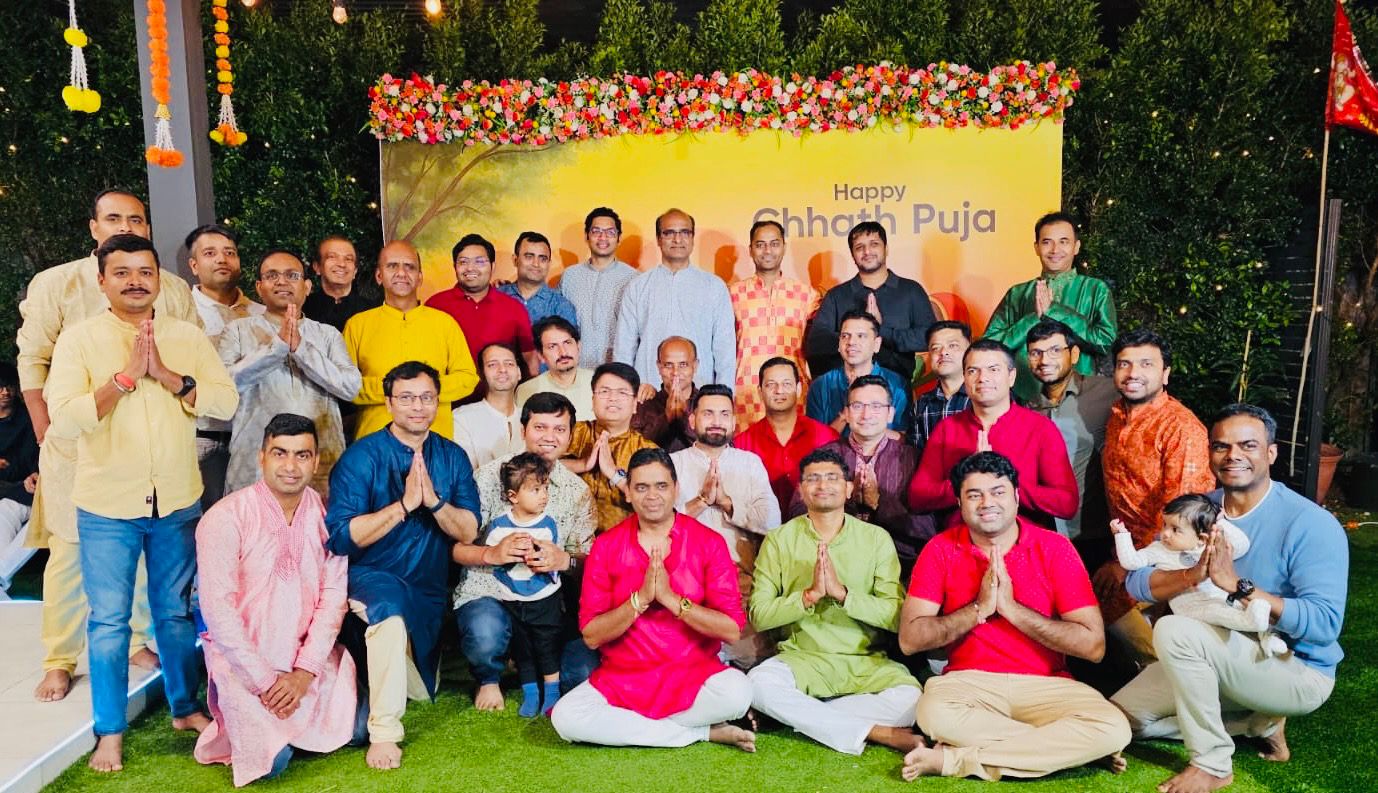
The Bihari diaspora residing in Sydney, Australia, showcased a spectacular display of cultural commitment by celebrating the sacred Chhath Mahaparv on a grand scale this year. The four-day festival was meticulously organised by the Bihar Jharkhand Cultural Association (BJCA), which represents approximately 1,000 Bihari families in the city.

Chhath Puja in Sydney – A Testament to Faith and Unity

Led by Neetu Kumari and Praveen Kumar, the BJCA successfully hosted the traditional rituals at over 25 different locations across Sydney. A large number of families enthusiastically participated in the holy observances, performing the customary rituals and offering ‘Arghya’ to the setting and rising sun.

This massive community event served as a testament to the community’s profound faith and also highlighted the strong organisation, unity, and dedication of the Bihari diaspora towards preserving its roots and culture abroad.

Promoting ‘Bihari Asmita’ Globally

Praveen Kumar, President of the Bihar International Trade Organization (BITO), which functions under the guidance of the Honourable Shri Chirag Paswan Ji, played a central and pivotal role in organizing the Mahaparv. Kumar, a prominent Sydney-based industrialist and an influential leader within the global Bihari community, is actively working to ensure that ‘Bihari Asmita’ (Bihari Pride/Identity) gains due recognition and respect worldwide. The large-scale celebration of a traditional festival like Chhath, successfully championed by his initiative, unequivocally underscores the growing cohesion and influence of the community on an international stage.


Indian economy on strong footing but global uncertainties pose downside risks: FinMin report

Nirbhay Kumar |

New Delhi, Oct 27: Supported by the recent GST reforms, Indian economy continues to be on strong footing and is expected to record strong growth in the current financial year 2025-26, as per the latest edition of Monthly Economic Review (MER) released by Finance Ministry on Monday.

The report noted that both urban and rural demand are seen gaining further momentum after the GST rate cut across sectors and upward trends are visible in the July-September quarter (Q2) of the current fiscal.

“Demand conditions across rural and urban India strengthened with the implementation of the GST reforms and the festive season, coinciding with industry reports signalling robust growth in sales, particularly in sectors such as automobiles,” the report prepared by Department of Economic Affairs under Finance Ministry said.

With growth outlook being positive, the International Monetary Fund (IMF) recently raised its growth forecast for India for FY26 to 6.6% from 6.4% earlier.

The Reserve Bank of India (RBI) has pegged FY26 GDP growth at 6.8%.

One of the key economic indicators showing the health of economy, retail inflation has declined to record low. The headline retail inflation fell to 1.54% in September 2025 primarily on the back of lower food prices.

“The prices of non-food and non-fuel items remained stable, with core inflation coming in at 4.6 per cent in September 2025. Barring shocks stemming from adverse weather events and supply chain disruptions, price stability is expected to prevail,” said the Finance Ministry report.

Notably, India’s trade performance has remained fairly good despite imposition of punitive tariff by the US on a basket of export items.

Even as trade deal negotiations with the US continue, merchandise trade data for September 2025 presented early evidence of diversification of export destinations.

“Looking ahead, the lower GST rate is expected to support a positive demand outlook by reducing the tax burden on consumers and businesses, stimulating consumption and investment across sectors and boosting employment generation in the economy. Moreover, a strong performance in the industries and services sector, along with a stable labour market, will further enhance domestic demand,” the report said.

The report underlined the strength of Indian economy but at the same time also sounded a note of caution.

“Nevertheless, global uncertainties warrant caution and will continue to affect external demand, presenting downside risks to the growth outlook. The implementation of various growth-enhancing structural reforms and government initiatives, including GST 2.0, is expected to mitigate some of the negative impacts of these external challenges.”

Beating market estimates, Indian economy logged 7.8% year-on-year growth in the April-June quarter (Q1) of the current fiscal and retained the tag of the fastest-growing major economy in the world.

TEC inks MoU with IIT, IIIT Hyderabad for joint research

Nirbhay Kumar | Updated :

New Delhi, October 25: The Telecommunication Engineering Centre (TEC), the technical arm of the Department of Telecommunications (DoT), has signed a Memorandum of Understanding (MoU) with Indian Institute of Technology Hyderabad (IIT Hyderabad) and International Institute of Information Technology, Hyderabad (IIIT-Hyderabad) to undertake joint studies and collaborative research.

The partnership with IIT Hyderabad aims to develop India-specific standards and test frameworks, explore future network technologies such as 6G, Artificial Intelligence (AI), and Non-Terrestrial Networks (NTNs), and enhance India’s participation in ITU-T (International Telecommunication Union – Telecommunication Standardization Sector) Study Groups.

“The partnership creates a formal framework for TEC to work closely with IIT Hyderabad on next-generation telecom and standardisation activities,” an official release from DoT said.

This MoU aims to accelerate indigenous R&D and increase India’s influence in global standardisation processes by strengthening India’s contributions to global standardisation bodies such as ITU and 3GPP.

The collaboration with IIIT Hyderabad aims to develop India-specific standards and test frameworks, explore future network technologies such as Artificial Intelligence (AI), Cyber Security, Smart Cities, and Quantum Communications, and enhance India’s contributions to ITU-T (International Telecommunication Union – Telecommunication Standardization Sector) Study Groups.

This partnership aims to accelerate indigenous R&D and increase India’s influence in global standardisation processes by strengthening India’s contributions to global standardization bodies such as ITU and 3GPP.

“The collaboration will further the Atmanirbhar Bharat vision by strengthening indigenous research, design and manufacturing in telecom – developing India-specific standards, test frameworks and home-grown solutions that bolster national self-reliance, secure critical communications infrastructure, and reduce dependence on imports,” said the press release.

TEC, the technical arm of the DoT, formulates technical standards, specifications, and conformity assessment requirements for telecom equipment and networks in India, ensuring interoperability, quality, and alignment with global best practices. TEC represents India in international fora such as the ITU-T, ITU-R and coordinates National Working Groups for global standardization activities.

DRI dismantles narco distribution network in Delhi NCR

Nirbhay Kumar | Updated :

New Delhi, October 25: The Directorate of Revenue Intelligence (DRI) under Ministry of Finance has successfully dismantled a major narcotics manufacturing and distribution network operating across the National Capital Region, in a coordinated multi-day operation.

The operation was carried out from October 21 through October 23, 2025.

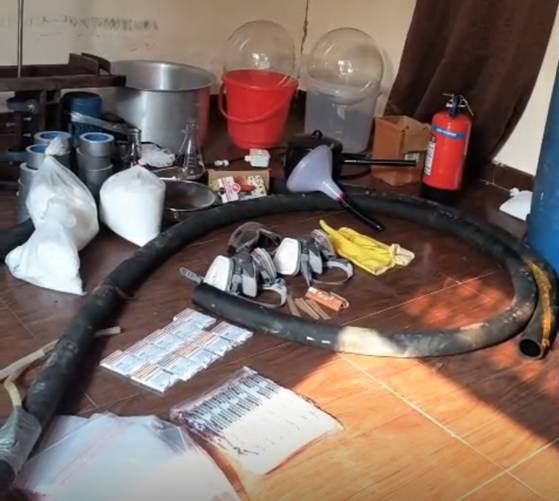
Based on specific intelligence developed by DRI, officers raided a clandestine facility for manufacturing methamphetamine located at an isolated farm premise near high-rise residential buildings in Greater Noida. The search resulted in the seizure of 11.40 kg amphetamine and 110.923 kg precursor chemicals used for its manufacture.

Simultaneously, the main handler of the syndicate was apprehended from his residence in Gurugram, and 1.33 kg of amphetamine was recovered from his possession.

In a swift follow-up action, DRI officers identified another premises suspected to be used for storing and distribution of the contraband in West Delhi. The premises were located in a densely populated and congested area, surrounded by narrow lanes, posing considerable logistical and security challenges.

During the operation, the officers encountered large number of persons, who attempted to obstruct official action.

“Despite the presence of hostile elements and the risk of evidence destruction, the DRI team with assistance from Delhi Police, displaying restraint, and tactical acumen, successfully secured the premises and completed the search,” DRI said in a statement.

The search led to multiple arrests and recovery of 7.79 kg cocaine, 1.87 kg heroin, 3.54 kg amphetamine; 2 kg ganja; 0.15 kg methaqualone along with 4.50 kg precursor chemicals used for the manufacture of narcotics substances along with Rs 37 lakh in cash, suspected to be proceeds of drug trafficking.

India’s auto sector records 30 deals worth $4.6 billion in Q3 of 2025

Nirbhay Kumar |

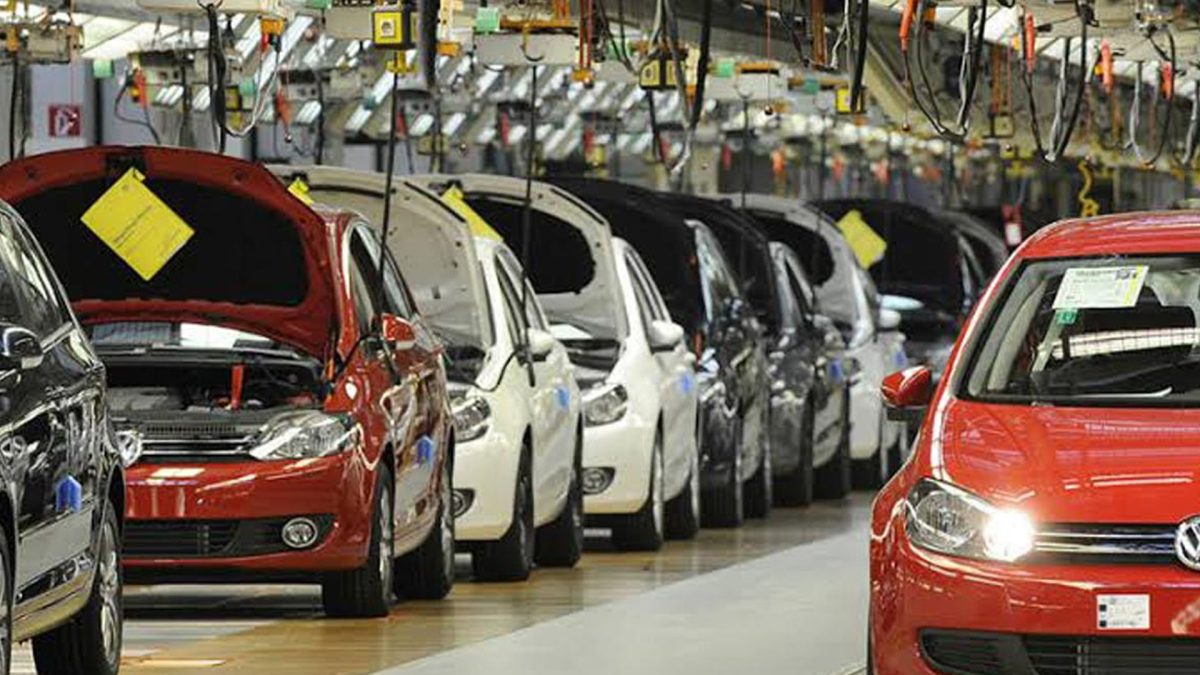
Driven by robust outbound merger and acquisitions (M&A) and continued EV momentum, India’s automotive sector recorded as many as 30 deals worth US$4.6 billion in July-September quarter (Q3) of 2025.

As per the report released on Wednesday by consultancy firm Grant Thornton Bharat, the Q3 of 2025 is the strongest quarter in a year for the Indian auto sector in terms of number of deals.

The deal activity was largely driven by Tata Motors’ US$ 3.8 billion acquisition of Italian commercial vehicle maker Iveco during the period under review. It contributed 95% of total M&A value.

“Excluding this deal, values dipped 36% over the last quarter, signalling that large strategic bets continue to define overall deal momentum,” said Grant Thornton Bharat in a release.

The September quarter of 2025 reflected a strategic pivot toward global expansion, electrification, and supply chain recalibration, as both strategic acquirers and private investors intensified focus on future-ready mobility platforms.

The report said that while M&A activity was dominated by cross-border consolidation plays, private equity (PE) interest remained steady in scalable, tech-enabled segments such as electric mobility, fleet electrification, and Mobility-as-a-Service (MaaS).

“The Indian automotive sector is in a phase of strategic reset — balancing policy reform, consumer realignment, and global expansion. The rollout of GST 2.0 and targeted tariff interventions have set the stage for renewed demand, even as OEMs and investors pivot toward cleaner, smarter mobility solutions,” said Saket Mehra, Partner and Automotive Industry Leader, Grant Thornton Bharat.

Mehra further noted that the September quarter’s strong M&A and PE activity reflects India’s growing global ambition in commercial mobility and a clear shift toward scalable, tech-enabled platforms.

“As policy tailwinds and festive demand converge, we anticipate sustained momentum across alternative fuel technologies, auto-tech, and supply chain digitisation,” he added.

Cross-border deals dominated in the Q3 of 2025, accounting for 71% of volumes and 99% of total values, with Asia and Europe being key regions of activity.

Samvardhana Motherson International executed three outbound acquisitions during the quarter, reinforcing India’s role in global auto supply chains.

As per the report, PE activity remained strong in Q3, with 23 deals worth US$ 531 million, marking a 15% increase in volumes but a 17% drop in values compared to Q2.

“The decline in value reflects the absence of large-ticket transactions, as 70% of deals were below USD 10 million, underscoring investor preference for smaller, focused bets,” the report said.

Mobility-as-a-Service (MaaS) continued to dominate PE deal flow, accounting for nearly 80% of total PE value, led by Rapido’s US$ 271 million investment from Prosus and WestBridge Capital. IFC-backed funding in electric bus operators JBM Ecolife Mobility and GreenCell Mobility, together worth US$ 137 million, further reinforced investor confidence in urban electrification and multimodal transport infrastructure.

India develops antibiotic for drug-resistant infections, Minister calls for achieving global recognition in R&D

Nirbhay Kumar |

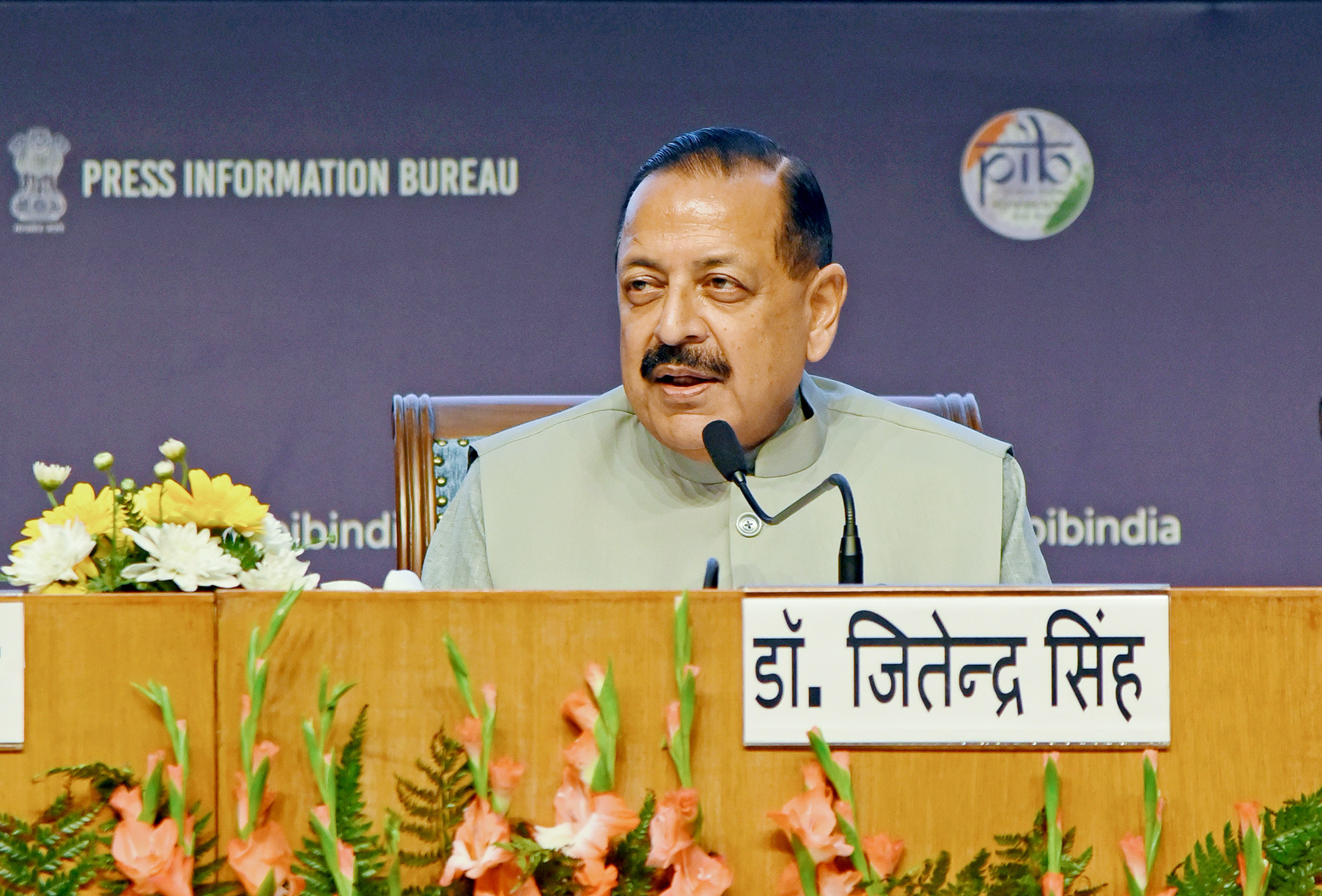
New Delhi: Citing the development of country’s first indigenous antibiotic Nafithromycin and successful clinical trial for Hemophilia treatment, Union Science and technology Minister Jitendra Singh on Saturday said that India must build a self-sustainable innovation ecosystem to achieve global recognition in research and innovation.

The Minister emphasized the need to build a self-sustainable innovation ecosystem so that India could reduce its dependence on government funding and create a culture of private sector participation and philanthropic support to achieve global recognition in research and innovation.

The Department of Biotechnology in collaboration with pharma major Wockhardt has developed antibiotic “Nafithromycin” which is effective against resistant respiratory infections, particularly useful for cancer patients and poorly controlled diabetics.

Another successful story of government and private sector collaboration is a major breakthrough in gene therapy, marking the first successful indigenous clinical trial for Hemophilia treatment.

Inaugurating the 3-day medical workshop on “Harnessing Artificial Intelligence for Multi-Omics Data Integration and Analysis”, Dr. Jitendra Singh said that India must develop a self-sustainable ecosystem to drive its scientific and research growth. He stated that most nations that have achieved global recognition in science and innovation have done so through self-sustaining, innovation-driven models with extensive engagement of the private sector.

Singh further mentioned that India has already sequenced over 10,000 human genomes and aims to scale this up to one million. The gene therapy trial, he added, recorded a 60–70% correction rate with zero bleeding episodes, representing a milestone in India’s medical research landscape.

The Minister highlighted that Artificial Intelligence (AI) has become one of the most transformative tools of the modern era, reshaping healthcare accessibility, governance efficiency, and decision-making. He mentioned that AI-based hybrid mobile clinics are already serving rural and remote regions, ensuring quality healthcare for all.

He also referred to the AI-driven grievance redressal system developed by the Department of Administrative Reforms and Public Grievances (DARPG), which has achieved a weekly disposal rate of 97–98%, significantly improving citizen satisfaction and service delivery.

Dr. Jitendra Singh said that India is entering a new era of self-reliance in biotechnology, AI and genomic medicine.

Many daily-use items saw more than expected price cuts post GST reforms 2.0: FM

Nirbhay Kumar |

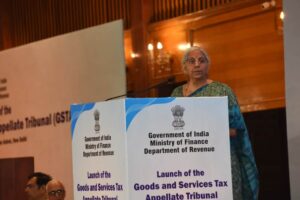
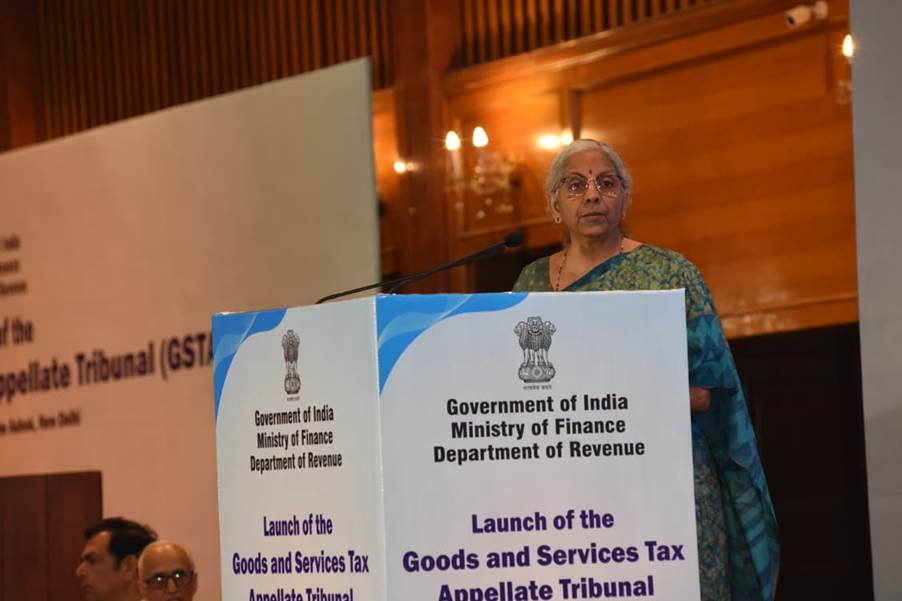
Many consumer items such as shampoo, talcum powder and utensils have seen more-than-expected price cut post GST reforms 2.0 under which most daily-use items have been placed under lower rate slabs, Union Finance Minister Nirmala Sitharaman claimed on Saturday.


“In quite a few cases, a more-than-expected price reduction due to GST reforms has been passed on to end consumers,” the Finance Minister said.


Sitharaman cited the case of shampoo, talcum powder, clinical diapers, household items of iron and steel, and umbrellas where prices came down more than the GST rate cut.


“For Shampoo, GST rates have been reduced from 18% to 5%. The intended benefit was 18 to 5% which means around 11.02%. Actual Decrease in price based on average price reported by various CGST Zones is 12.36%,” she said.


Similarly, for face powder, GST rates have been reduced from 18% to 5% and the intended benefit was 11.02% but the actual decrease in price is 12.22%.


“For Clinical diapers, GST rates have been reduced from 12% to 5%. The intended benefit was 6.25% but the actual decrease in price is 10.38%. For table, kitchen or other household articles of iron, steel and copper; utensils, GST rates have been reduced from 12% to 5%. The intended benefit was 6.25% but the actual decrease in price is 10.24%,” the Minister said.


She further said that for toys like tricycles, scooters, pedal cars etc., including parts and accessories thereof, GST rates have been reduced from 12% to 5% and the intended benefit was 6.25% but the actual decrease in price is 8.93%.


“For umbrellas and sun umbrellas, including walking-stick umbrellas, garden umbrellas and similar umbrellas, GST rates have been reduced from 12% to 5%. The intended benefit was 6.25% but the actual decrease in price is 9.19%,” she said.


Sitharaman noted that since September 22 the Finance Ministry has been receiving information from the zonal levels on all items.

She further said that the Ministry has been closely monitoring the prices of 54 products to ensure that the benefits of the revised tax structure are reaching the end consumers.


“The Next-Gen GST benefits have been fully passed on across all 54 items,” the Finance Minister said.
In sweeping rate reductions across sectors, the GST Council in its meeting in September this year decided to move to two-tier rate structure of 5% and 18% for most items with focus on common-man.

BIORGANO: Building a Sustainable Future with Bio-Fertilizers and Cornstarch Packaging

Staff |

The world is facing an unprecedented environmental crisis fueled by the overuse of chemical fertilizers and non-biodegradable plastics. While conventional plastics take hundreds of years to decompose, chemical-intensive farming practices are degrading soil health and polluting water sources at alarming rates. In response to these pressing challenges, BIORGANO has emerged as a brand that combines innovation with responsibility, offering eco-friendly bio-fertilizers and cornstarch-based packaging solutions that are practical, scalable, and impactful.

Economic & Practical Benefits of Bio-Fertilizers

One of the most common concerns around sustainable products is their cost. BIORGANO’s bio-fertilizers address this directly. Unlike conventional chemical fertilizers, which often need to be applied in large quantities, BIORGANO’s products are concentrated with beneficial microbes. This means farmers require smaller doses, yet they achieve far greater benefits.

The advantages go beyond cost-saving:

  • Reduced fertilizer input costs due to efficiency of microbial formulations.
  • Lower irrigation needs as soil health and water retention improve.
  • Higher long-term yields, improved soil fertility and crop resilience.

Over time, these benefits make bio-fertilizers not just eco-friendly but also more economical than chemical alternatives. As biotechnology advances and demand grows, the cost of sustainable materials and formulations continues to fall. BIORGANO ensures its products are competitively priced without compromising on quality or ethics, making them accessible to farmers and businesses alike.

Cornstarch: A Game-Changer in Bio-Packaging

Traditional plastics are among the biggest contributors to pollution, especially in developing countries. They clog oceans, choke landfills, and linger in the environment for centuries. BIORGANO’s answer is cornstarch-based packaging granules, which are biodegradable and versatile. Unlike plastic, cornstarch doesn’t suffocate the planet — provided it is composted under specific conditions.

What makes cornstarch packaging even more exciting is its dual benefit. Cornstarch granules can be converted into non-toxic bio-enzymes that boost soil fertility and agricultural yields. This creates a win-win scenario for the ecosystem — reducing plastic dependency while enriching the soil.

Cornstarch packaging is also highly versatile, flexible, moldable, durable, and wrappable. It can be adapted for countless uses, including:

  • Takeaway food containers (an eco-friendly alternative to Styrofoam and plastic).
  • Shopping bags and bubble wraps.
  • Films, liners, and box packaging.
  • Specialized uses such as medicine packaging, seed packaging, and agricultural supplies.

Simply put, there is little that cornstarch packaging cannot do, making it a viable and sustainable substitute across industries.

Future Vision

BIORGANO’s vision goes beyond products, it is about transforming how we think about sustainability in practice. The company aims to expand its bio-fertilizer presence across India’s key agricultural belts, particularly in states where chemical fertilizer dependency is high, but farmers are increasingly open to organic alternatives.

At the same time, BIORGANO is preparing to enter global markets. With sustainability gaining traction in Europe, the USA, and the Middle East, the brand sees enormous export potential for both its bio-fertilizers and bio-packaging solutions.

In the next decade, BIORGANO envisions itself as a key driver of agricultural and environmental change. Its mission is to help shift conventional farming toward organic, soil-friendly, and sustainable practices. By making bio-fertilizers widely available and scientifically advanced, BIORGANO seeks to support farmers while healing the planet.

Shaping a Greener Tomorrow

From enriching soil to replacing plastic, BIORGANO is proof that eco-friendly solutions can also be practical and cost-effective. Its bio-fertilizers empower farmers to achieve higher yields with fewer inputs, while its cornstarch packaging provides industries with durable, biodegradable alternatives to harmful plastics.

The message is clear: sustainability is no longer an aspiration; it is a necessity. With innovation, science, and commitment, BIORGANO is not just responding to an environmental crisis but actively shaping a greener ecosystem for future generations.

Amit Shah Slams Rahul Gandhi and Lalu Yadav Over Protecting Infiltrators’ Votes in Bihar

TheIndiaSaga Team |

Union Home Minister Amit Shah on Saturday charged the Congress leader Rahul Gandhi and his allies like RJD president Lalu Prasad with trying to “secure voting rights for infiltrators”.

Addressing a BJP workers’ conclave in Araria district of Bihar, Shah vowed to drive out each and every infiltrator once the NDA retained power in the state, getting a two thirds majority in the upcoming assembly polls.

“Rahul baba took out a Yatra here recently. The purpose was to oppose special intensive revision of electoral rolls by the Election Commission, which wants to remove infiltrators’ names from voters’ list,” said the former BJP president.

The allusion was to the “Voter Adhikar Yatra”, which saw Gandhi, the leader of the opposition in Lok Sabha, and Prasad’s son and heir apparent Tejashwi Yadav covering 1,300 kilometers across 25 districts.

“Rahul baba, Lalu and company want to secure voting rights for infiltrators. I want to ask all you workers from the Seemanchal region, should we allow this,” asked Shah, evoking roars of “no” from BJP cadres belonging to the northeastern part of Bihar, which has a significant Muslim population.

“I promise you that each and every infiltrator will be driven out of Bihar if the NDA wins with a two thirds majority, with a tally of 160 plus seats,” said the Union home minister, who is widely regarded as the BJP’s principal strategist.

The Election Commission is likely to announce the dates for the polls for the 243-seat Bihar assembly soon.

Shah also noted with satisfaction that the party had done well in the region in the last assembly polls, but added: “You must strive to do better this time. Only then the target of 160 plus can be achieved”.

He asserted that Prime Minister Narendra Modi’s government “has not been charged with misappropriation of even 25 paise, in the last 11 years”, unlike the Congress-led UPA which faced serious corruption charges while in power.

Shah said that the Modi government has also been “fulfilling all its promises” like abrogation of Article 370 and construction of the Ram temple at Ayodhya.

“Now, in Bihar too, a big temple of goddess Sita is being built. Another promise that has been fulfilled recently is the airport at Purnea, from where I am going to catch my return flight,” said the Union minister, before winding up his two-day tour of the state.

Earlier, Shah had discussed the party’s strategy for elections with BJP workers at Bettiah in West Champaran district and Sarairanjan in Samastipur.

He also visited the state BJP headquarters at Patna to give a pep talk to senior leaders of the state.

Union minister Dharmendra Pradhan, who has been named the in charge of the party for the upcoming assembly polls, BJP national general secretary in charge of Bihar and national general secretary (Organization) B L Santhosh were also present at the party office.

Why Self-Employed Professionals Should Consider Term Insurance Early

TheIndiaSaga Team |

Self-employment is all about freedom and flexibility. You are your own boss, create your client list, and choose your growth trajectory. However, this freedom also makes you responsible for your own financial security. You don’t receive employer-sponsored benefits like insurance or retirement contributions like salaried employees do. Planning your finances prudently becomes that much more necessary in such a scenario. Term insurance is probably one of the easiest and best ways to secure your family and dependents financially.

Understanding Term Insurance for the Self-Employed

Term insurance is a simple form of life insurance. If the insured person dies during the policy period, the designated beneficiary receives the agreed amount. This helps secure your family’s financial future. For self-employed individuals, whose earnings can vary from month to month, having this coverage is especially important.

By investing in term insurance for self employed or independent professionals at the onset of their careers, premiums remain low, and the plan can provide protection over a long period. With time, this protection ensures your family is not exposed to financial risk if an untimely incident occurs.

Why Starting Early Matters

The younger and healthier you are, the lower your premium. Early planning is therefore practical. Delaying until later in life may raise the price and, for some, restrict coverage. Planning ahead is thus sensible. By beginning early, you lock in lower premiums, broader choices, and the flexibility to tailor your coverage to your needs.

Optional accidental death or critical illness riders can be added to give you added coverage. You can raise the sum assured as your income increases, so your financial safety increases along with your profession. You get to choose policies that support your long-term objectives when you invest early.

A Shield Against Irregular Income

One of the biggest challenges for self-employed professionals is fluctuating income. Some months may be profitable, while others may be lean. Unlike salaried employees, there is no fixed paycheque. This makes planning for unexpected events more complex.

In such cases, term cover is a protector. If the life assured dies suddenly, the sum assured is given to the nominee, so that dependents are not left with the burden of daily expenses, educational expenses, or loan repayment. The amount received can provide for home expenses and even business borrowings.

Practical Example

Take, for instance, a freelance consultant who gets project-based remuneration. If the consultant dies suddenly, dependents could lose the primary source of income. Term insurance ensures that monthly expenses, school fees, and loans are still managed without burdening dependents.

Key Benefits for the Self-Employed

Term insurance has some self-employed professional-specific benefits:

  • Security for family: Dependents are shielded from financial distress.
  • Repaying debt: Business loans can be managed and paid off comfortably. 
  • Business continuity: Partners or associates have the opportunity to stabilise their operations. 
  • Peace of mind: Knowing that your loved ones are insured allows you to focus on growing your business. 

These benefits make term insurance an essential part of a comprehensive financial strategy for self-employed individuals.

Practical Situations Where It Helps

Real-life scenarios can show why term insurance is important:

  • A family member of a small business owner with a loan does not want repayment to fall on them.
  • A foreign freelancer does not want financial support for their parents at home.
  • An independent consultant or trainer does not want to leave their child’s education in uncertainty despite income fluctuation.

In all these situations, term insurance coverage provides stability in times of uncertain or nonexistent income.

Tax Aspects to Keep in Mind

Tax planning is a crucial aspect of self-employed professionals’ financial management. Premiums on term insurance can be deductible, subject to the prevailing tax regime. Government regulations need to be kept in touch with, for instance, the income tax slab for AY 2026-27 can influence eligibility and benefits.

Balancing Cost and Flexibility

Self-employed professionals often manage tight budgets. Term insurance is affordable compared with other insurance products. Plans can be customised according to coverage amount, payment frequency, and additional riders.

Even if income is modest initially, it is better to begin with basic coverage than delay altogether. Gradually, you can enhance the coverage and the amount assured. Such flexibility makes term insurance appropriate for various phases of a self-employed professional’s career.

Importance of Claim Settlement Ratio

The claim settlement ratio (CSR) is an important factor to consider when choosing an insurance provider, as it reflects the insurer’s reliability. CSR indicates the proportion of claims that an insurer has successfully paid out. A higher CSR indicates that the insurer is trustworthy and effective. For example, Axis Life Insurance has a strong CSR of 99.70%, showing that it is dependable in assisting families during difficult times.

Building a Strong Financial Safety Net

Term insurance is most effective when it is used within a comprehensive financial strategy. Self-employed professionals should also invest in health insurance, retirement savings, and other assets. In combination, these are a solid safety net.

Early protection with term insurance means less worry. You can still have income changes, but you will always know your family is financially secure. This peace of mind enables you to concentrate on your career and future development.

Table: Benefits of Term Insurance for Self-Employed

The following table shows the benefits of term insurance for the self-employed:

BenefitHow it Helps
Family SecurityProtects dependants from financial hardship
Debt CoverageEnsures loans and obligations are paid
Business ContinuityAllows partners time to manage operations
Peace of MindReduces stress, enabling focus on work

Conclusion

Being self-employed can be fulfilling, but it also comes with specific risks. Term insurance serves as more than just a policy; it acts as a financial safety net. In the event of the insured person’s death, the designated beneficiary receives the assured amount. This ensures your family’s security, aids in maintaining business operations, and assists in handling any debts. Getting started with coverage early makes it more affordable, adaptable, and secure for the future.

For self-employed professionals, term insurance is essential. It secures personal and professional goals and provides peace of mind for you and your family. Choosing coverage wisely today ensures long-term security and confidence in your financial planning.