Logo

Logo

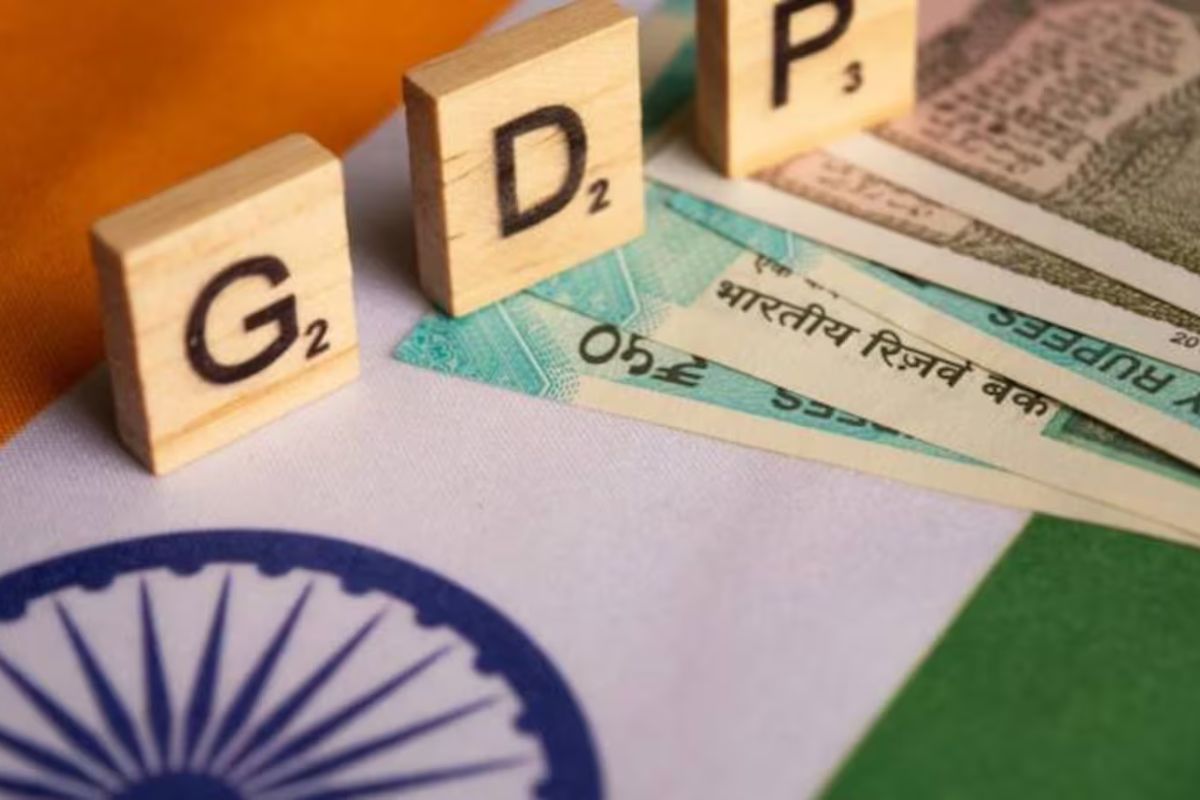
Morgan Stanley predicts that GDP growth will drop to 6.5% in FY25.

TheIndiaSaga Team |

According to global banking group Morgan Stanley, India’s economic growth is predicted to drop from 6.9% expected for FY2024 to 6.5% in the financial year (FY) 2025.”As for growth, it will continue to be robust. As of December 2023, GDP is projected to grow 6.5% despite decreasing from 7.7% in the first half of FY2024. In its most recent research report on the Indian economy, Morgan Stanley stated, “We expect GDP to average 6.9% in FY2024 and 6.5% in FY2025.”

The Monetary Policy Committee of the Reserve Bank of India has revised its GDP growth projections for FY 2025, bringing them down from 7.3% for FY24, which the National Statistical Office had predicted. Notably, the government increased its forecast for nominal GDP growth in the interim budget released on February 1 to 10.5% from 8.9% in 2023–2024 (without accounting for the inflation rate).

Regarding macro-stability, Morgan Stanley predicted that headline inflation would average 4.5% in FY2025 and 5.4% in FY2024, with a range-bound forecast of 5.0–5.2% in the first quarter of FY24, bolstered by a favourable base effect.

The current account deficit is anticipated to track at 1.2% of GDP in FY24 and 1.3% of GDP in FY25, remaining benign due to the strength of services exports and the decline in global commodity prices, particularly oils. Regarding monetary policy, Morgan Stanley stated, “In our base case, we build in a shallow rate cut cycle of 50 basis points from June 2024, even as we continue to remain vigilant of risks from stronger-than-expected growth (strong credit growth), which could postpone the rate easing cycle.”

Morgan Stanley reported that although macro stability is still comfortable and reflects strength in the fundamentals, domestic demand improved in January. “We continue to view the economy favourably. Worldwide events and the May 2024 elections pose risks, the statement read.

In January, domestic demand increased sequentially and YoY as it slowly increased to a three-month high. GST collections rose to Rs 1.7 lakh crore, the second-highest amount ever, growing 10.4% annually. At the same time, the Manufacturing PMI improved to 56.9, continuing to be expansionary since July 21. Regarding external demand, exports increased 3.1% in January compared to 1% in the previous month.

Crude oil prices increase for a second day as positive indications of U.S. refinery demand.

TheIndiaSaga Team |

Oil prices increased for a second day on Thursday due to expectations that demand in the United States, the largest oil consumer in the world, would increase as refineries attempt to resume operations following disruptions and as the dollar depreciated. At 0510 GMT, a barrel of Brent crude futures increased by 17 cents, or 0.2%. The April contract for U.S. West Texas Intermediate crude rose by 19 cents, or 0.2%, to $78.10 per barrel.

On Wednesday, oil prices increased by 1%. Yeap Jun Rong, market strategist at I.G., stated that geopolitical tensions have contributed to the resilience of oil prices thus far. “Market participants seem to be eyeing a retest of its year-to-date high following its rally in February,” Rong added.

Nevertheless, given the higher-than-expected build in U.S. crude stocks from the API figure overnight, gains may be somewhat contained for the time being as investors wait to see if the EIA numbers are released ahead of schedule, Yeap continued.

Reduce Govt borrowings to promote growth and reduce inflation

According to market sources citing data from the American Petroleum Institute, crude stocks increased by 7.17 million barrels during the week that concluded on February 16. While distillate fuel inventories decreased, gasoline stockpiles also increased.

Although the refineries are starting to produce again, large-scale outages have caused utilisation rates to drop to their lowest point in two years, contributing to an increase in U.S. crude inventories. According to sources familiar with plant operations, B.P.’s 435,000 barrel-per-day refinery in Indiana, the largest in the U.S. Midwest, will resume total production in March following a power outage that began on February 1.

After a weather-related power outage, TotalEnergies’ 238,000-bpd refinery in Port Arthur, Texas, still operates at a minimal capacity. Still, the company is also working to complete a restart. Based on a Reuters poll, analysts predict that U.S. refinery run rates increased to 81.5% of total capacity last week from 80.6% the week before.

Investors will watch the official U.S. Energy Information Administration inventory data, scheduled for release at 1600 GMT on Thursday but one day later than expected due to a U.S. holiday. A declining U.S. dollar, which lowers the price of oil for traders holding other currencies, also helped support crude.

At 0510 GMT, the dollar index, which compares the value of the U.S. dollar to six significant competitors, dropped to 103.905. Yeap stated, “The U.S. dollar’s decline for the fourth straight session may also strengthen the short-term appeal for oil.”

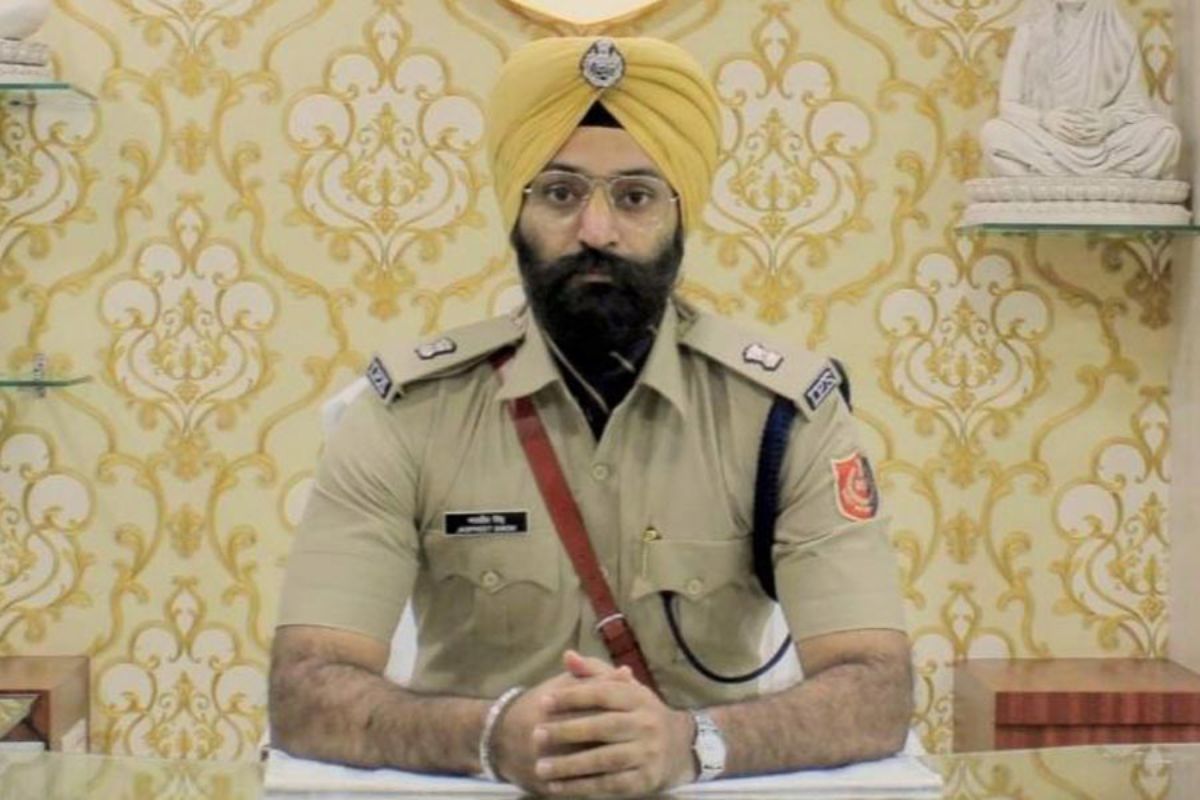
IPS officer Jaspreet Singh was a member of the special team dispatched to Sandeshkhali at the centre of the “Khalistani” spat

TheIndiaSaga Team |

Jaspreet Singh, the Sikh police officer at the heart of the “Khalistani” slur controversy in West Bengal, is an IPS officer from the 2016 batch who is currently the special superintendent in the intelligence branch.

Part of a unique team sent by the West Bengal Police to uphold law and order and look into complaints from villagers in Sandeshkhali, which has been at the centre of a political storm in the state’s North 24 Parganas district, is Singh, who retaliated after being called “Khalistani” while he was speaking to a group of protesting state BJP leaders and workers being led by Opposition leader Suvendu Adhikari on Tuesday.

According to police sources, Singh was one of the police officers in charge of upholding law and order and making sure that Section 144 prohibitory orders were followed on Tuesday. Singh had previously served as the district police superintendent for Islampur. In addition, he was the deputy commissioner for the Bidhannagar zone and a member of the Siliguri Police Commissionerate’s special task force. The Raigunj police district employed Singh as an additional SP.

“I have never experienced anything like this in Bengal. I have never heard an elected official say anything so unparliamentary,” Singh said late on Tuesday to a Punjabi news station. Suvendu Adhikari was the leader of the political party whose delegates had arrived. A Section 144 order had been issued, and the legalities were being discussed. During our legal conversation, he referred to me as “Khalistani.” He continued, they were put on the defensive after I retaliated against them for using this word.

There, I was the only Sikh officer assigned; it is unlawful and unparliamentary language to make such a statement after witnessing a turban, according to the IPC. Following that, we got a court order, which we used to justify letting them leave. That was the incident. Action will be taken, I told them,”

Singh remarked

Adhikari refuted the accusation, claiming no one from the BJP had used the term and that they respected the Sikh community, even though the Bengal police claimed in a statement that it was Adhikari who referred to Singh as a “Khalistani.”

Bhagwant Mann, the chief minister of Punjab, described the incident as “extremely unfortunate” in a post on X on Wednesday. The sacrifices made by Punjabis to secure and uphold India’s independence may go unnoticed by the BJP. Mann said in Punjabi that the BJP should apologise to the people of Punjab. Earlier, Rahul Gandhi, the leader of the Congress, came out in support of Singh, and West Bengal Chief Minister Mamata Banerjee denounced the incident.

X disagrees with the censorship orders issued by the Center

TheIndiaSaga Team |

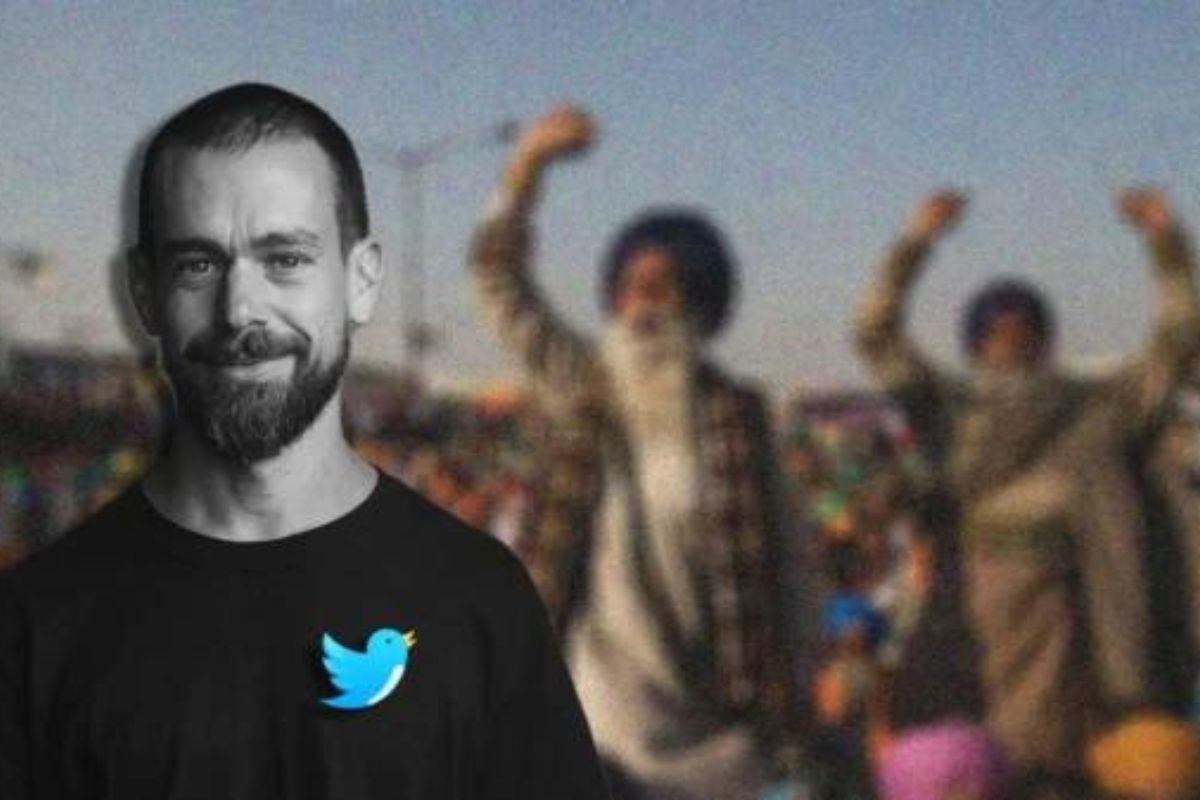
The Indian government has ordered billionaire Elon Musk’s social media platform X (formerly Twitter) to block specific accounts and links; if this order is not followed, the platform and its staff may be subject to severe fines and jail time.

Given that the social media company sued the Central government in 2022 over content-blocking orders, this represents a new hot spot in the growing conflict between the government of India and the platform. But last year’s decision was not in the company’s favour. In an early-morning post on Thursday, X’s government affairs handle stated that although it was observing New Delhi’s blocking orders, it “disagrees” with its actions.

“We feel that publicising executive orders is crucial for transparency, but we cannot publish them due to legal restrictions. The post stated that “this lack of disclosure can lead to a lack of accountability and arbitrary decision-making.”

“X has been issued executive orders by the Indian government mandating that he act on specific accounts and posts. Failure to comply may result in severe penalties, such as imprisonment and substantial fines,” X stated. “We disagree with these actions and maintain that freedom of expression should extend to these posts. However, we will withhold these accounts and posts in India alone in compliance with the orders.

Is Elon Musk a Superhero or a Supervillain?

According to a senior official in the IT Ministry, the government is examining X’s statement and will respond shortly. According to the company, users whose accounts were affected by the government’s orders received the following notice: “In line with our stance, a writ appeal contesting the Indian government’s blocking orders is still pending. In compliance with our policies, we have also notified the affected users of these actions.

Over the past five years, the platform has experienced difficulties with various stakeholders, including civil society, conservative organisations, the opposition, and the centre. With almost 30 million users, the microblogging platform has found significant success in India.

The most recent argument reminds us of the platform and the Indian government’s growing hostilities during the 2021 farmers’ protest. The Center had requested that the company remove nearly 1,200 accounts due to purported ties to “Khalistan” during the height of those protests. Before that, it had asked that more than 250 accounts—including those of journalists covering the protests—be removed from the platform.

The IT ministry was displeased because X had responded by blocking some of the accounts and then unblocking them. Later, Twitter informed the Indian government that it would not censor the accounts of Indian journalists, activists, or politicians, citing the platform’s freedom of speech.

Nonetheless, the government took issue with the response, stating that the platform could not “assume the role of a court and justify non-compliance”.

As part of the purge, X had given in to pressure and blocked several accounts, including the one of Sukhram Singh Yadav, the leader of the SP and current Rajya Sabha MP. With 244 followers on Twitter at the time, Yadav had been outspoken about the farmer protests in his posts, utilising hashtags like #singhuborder and #kisanektajindabad.

After acquiring the business, Musk referred to Indian regulations as “strict”. It declared that he would follow the government’s blocking orders sooner than risk putting Twitter employees in jail. He was referring to the IT Rules 2021, which provide for the possible imprisonment of the chief compliance officer, a senior representative of social media companies, for breaking the rules.

Prime Minister Modi unveils projects valued at ₹10 trillion at the Uttar Pradesh Global Investors’ Summit.

TheIndiaSaga Team |

New Delhi: In Uttar Pradesh, Prime Minister Narendra Modi unveiled 14,000 projects on Monday worth over ₹10 trillion. Manufacturing, renewable energy, IT & ITeS, food processing, real estate, housing, hospitality, entertainment, and education are just a few of the industries this project touches on.

Uttar Pradesh Global Investors’ Summit: Modi presented a vision of progress during his speech in Lucknow, stating that this initiative aims to change the state’s landscape and represents a significant step towards creating a prosperous Uttar Pradesh as a foundation for Viksit Bharat, or a developed India.

Modi emphasised the increasing attraction of Varanasi and Ayodhya as top tourist destinations that draw many visitors, highlighting Uttar Pradesh’s potential as a tourism powerhouse. The prime minister claims that the state’s hospitality industry, airlines, and local business owners will all benefit significantly from this spike in tourism.

Along with highlighting Uttar Pradesh’s improved local, national, and international connectivity, PM Modi also announced the launch of the most extended river cruise in the world, which departs from Varanasi. According to him, the Kumbh Mela in 2025 will be a historic occasion to strengthen the state’s economy and create many jobs in the tourism and hospitality sectors.

Speaking to business owners in the food processing industry, Modi promoted the idea of “zero effect, zero defect” and urged everyone to work together to get Indian food products on tables worldwide. He emphasised the growing interest in millet as a superfood, encouraged investment in this area, and promoted collaborations between businesspeople and farmers. He emphasised the assistance provided to small-scale farmers by cooperative societies and Farmer Producer Organizations (FPOs), presenting a picture of the future in which business expansion and agricultural progress coexist.

At Uttar Pradesh Global Investors Summit, the prime minister informed the crowd, “Benefit to farmers and agriculture is good for your business too.”In his reflections, PM Modi emphasised Uttar Pradesh’s vital role in India’s rural and agricultural economy and urged all parties to take advantage of the current opportunities. Speaking with assurance for the people of the state and the combined efforts of the “double-engine government,” he saw a basis for broad advancement. Open up a world of advantages! Everything you need is right here, only a click away, including insightful newsletters, real-time stock tracking, breaking news, and a personalised newsfeed.

Russia-Ukraine War – Will India act as a mediator?

TheIndiaSaga Team |

Russia-Ukraine War: S Jaishankar, the minister of external affairs, stated that while New Delhi does not think it should take the lead, it is willing to mediate to end the conflict between Russia and Ukraine if asked. In an interview with the German financial daily Handelsblatt, Jaishankar stated that after Russia invaded Ukraine in February 2022, India’s Middle Eastern energy suppliers prioritised supplying petroleum products to Europe at a premium.

India on Russia-Ukraine War

“When the fighting started in Ukraine, Europe shifted a large part of its energy procurement to the Middle East -until then the main supplier for India and other countries,” Jaishankar explained.

How ought we to have responded? Since Europe paid higher prices, our Middle Eastern suppliers frequently preferred that region. Since everything would have gone to them, we wouldn’t have had any energy. Alternatively, we would have paid significantly more due to your higher payment,” he continued. We stabilised the energy market in a sense that way,” he added.

When questioned about criticism from Europe levelled at India—that the country’s purchases of Russian crude oil undermine the Western sanctions imposed on Moscow for its invasion of Ukraine—he gave this response. The External Affairs Minister argued that Europe should realise that India cannot have the same perspective on Russia as Europe does, just as India did not expect Europe to maintain a stance on China similar to New Delhi’s.

Jaishankar stated that despite Moscow’s military aggression in Ukraine, India increased its economic ties with Russia. He added that the two countries’ relations are still “stable and friendly”, and Russia has never infringed upon India’s interests. Russia has never harmed our interests, based on India’s post-independence history. He said there have been ups and downs in the relationships between Russia and the US, Europe, China, and Japan.

“The current relationship with Moscow is based on a stable and always amicable relationship with Russia,” he stated. “We, on the other hand, had a politically and militarily much more difficult relationship with China, for example,” he added.

As stated by Jaishankar, India is “deeply convinced and committed to bringing the war in Ukraine to an end”. “The conflict is hurting everyone. We’re not far enough along in the process to know exactly how it will end, so I’m not sure,” he remarked. Regarding Russia’s military intervention in Ukraine, Jaishankar stated that India and Russia continue to cooperate militarily “because many Western countries have long preferred to supply Pakistan and not India.”

Akaay: Anushka Sharma and Virat Kohli were blessed with a baby boy

TheIndiaSaga Team |

Anushka Sharma, a Bollywood actress, announced the birth of her second child on her Instagram page. On February 15th, the actor and former Indian captain Virat Kohli welcomed a baby boy. The child has been named ‘Akaay’ by the couple. Anushka announced the birth of her son with a note posted to her Instagram profile. The couple still needs to show their kid the picture, though.

Anushka wrote a lengthy note that said, “We are happy to announce to everyone that we have welcomed our baby boy, Akaay & Vamika’s little brother, into the world. We are filled with love and abundance.” In this lovely season, we ask for your blessings and best wishes. We respectfully ask that you respect our privacy. Virat and Anushka, with love and gratitude.” 

Notably, in contrast to their first pregnancy, the couple kept everything a secret. Anushka and Virat revealed their pregnancy during Vamika’s turn, and the actor also shared photos of herself with the growing baby bulge. On the other hand, Anushka stayed quiet and posted nothing on social media while she was expecting her second child. The actor didn’t make a lot of public appearances either. 

However, Virat Kohli withdrew from the current five-match Test series between England and India. The three remaining games were scheduled for the star cricket player, but Kohli did not make the squad. Notably, AB de Villiers, a close friend of Kohli’s and a former player for RCB, had also confirmed the news. However, he later claimed that was untrue. The internet was ablaze with news of Anushka’s second pregnancy, but the couple remained silent until today. 

Furthermore, it’s been reported that the Rab Ne Bana Di Jodi actor might have given birth to her second child in London rather than India. Fans of Anushka have received more than just good news from their social media post. However, supporters of Kohli now have explanations for his absence from the Test series. 

What does this unique name ‘Akaay’ mean?

The Sanskrit word akaay, which means “body-less” or “Nirakaar,” has many cultural connotations, including a shining moon in Turkish.

The name Akaay means “immortal” or “something that doesn’t decay” in Sanskrit.

In December 2017, Anushka and Virat, who are adored by their fans as “Virushka,” tied the knot in Italy. Vamika, Anushka and Virat’s daughter, was welcomed into the world in 2021.

The Story of Hanuman Ji’s Panchmukhi Avatar

sachin |

Ramayana is an Indian epic with so many stories of sacrifice, penance, dedication and love that we can learn from and bring changes to our lives. Hanuman Ji is a character in the epic who taught us the true meaning of unconditional love & worship. This write-up is the story of Hanuman Ji’s most deadly avatar, “Panchmukhi,” and how he saved Ram & Lakshman from Patal Lok’s strongest demon.

After Ravan sensed he might lose the Lanka war to Shri Ram, he became desperate to win. He planned a secret attack on Ram. He asked the ruler of Patal Lok  (Hell), his brother, to kidnap Ram & Lakshman and kill them. In anger, Hanuman Ji went to Patal Lok in his most deadly avatar. 

Mahiravan, also known as Ahiravan in some texts, was a sorcerer and the ruler of Hell. He was a brother of Ravana, the demon king of Lanka, who sought his help to defeat Rama and Lakshman in the epic battle of Ramayana. Mahiravan was well-versed in magical arts and possessed powers that made him a formidable foe, including the ability to become invisible and change form at will. 

As the war between Rama and Ravana raged on, Ravana, desperate to turn the tide in his favour, sought Mahiravan’s help. Mahiravan, in his loyalty to his brother, devised a plan to kidnap Rama and Lakshman and sacrifice them to the goddess Kali to gain invincibility.

Using his magical powers, Mahiravan managed to enter the camp where Rama and Lakshman were resting and kidnapped them using his sorcery. He transported them to Patal Lok, intending to perform a ritual sacrifice. The sudden disappearance of Rama and Lakshman caused great distress among their allies.

Upon learning of the abduction of Rama and Lakshman, Hanuman ji was filled with rage and concern for their safety. His devotion to Rama was unparalleled, and the thought of them being in danger ignited his fierce determination to bring them back at any cost. Hanuman’s immediate response was to set out on a rescue mission, utilising his divine powers to track down Mahiravana and infiltrate Patal Lok. In this netherworld (Hell), Mahiravan had taken Rama and Lakshman.

Mahiravan, a master of dark arts and sorcery, had received a powerful boon that made him nearly invincible. This boon made him invisible at will, making it exceedingly difficult for anyone to track or fight him. Mahiravan, endowed with a boon that made him nearly invincible, had kidnapped Lord Rama and Lakshman to sacrifice them to Goddess Kali.

Mahiravan could only be killed when five lamps, representing his life force and placed in five different directions, were extinguished simultaneously. This condition made defeating Mahiravan a daunting task. This task was seemingly impossible for any ordinary being due to the strategic placement of the lamps.

Understanding the gravity of the situation and the unique challenge posed by Mahiravan’s boon, Hanuman Ji devised a plan to tackle the sorcerer’s defences. His deep knowledge of divine powers and his ingenuity played a crucial role in formulating a strategy to defeat Mahiravan.

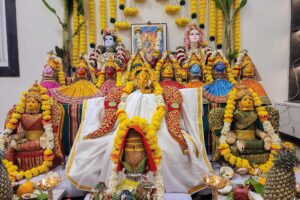
Looking at the entire situation, Hanuman Ji acted in his prowess. He took his deadliest avatar, PANCHMUKHI, a Five-faced avatar—A divine manifestation with five faces, each representing a distinct deity and direction:

Hanuman Ji’s Panchmukhi Avatar

  • Hanuman (East) – His original face, embodying devotion, strength, and protection.
  • Narasimha (South) – The lion-man avatar of Lord Vishnu, symbolising fierce courage and the ability to overcome obstacles.
  • Garuda (West) – The mighty eagle, representing speed and the power to counteract hostile forces.
  • Varaha (North) – The boar avatar of Lord Vishnu, denoting resilience and the capacity to uplift.
  • Hayagriva (Upwards) – The horse-faced avatar associated with wisdom and knowledge.

Armed with his Panchmukhi form, Hanuman Ji descended into Patal Lok, ready to confront Mahiravana and his dark forces. The battle that ensued was monumental, showcasing Hanuman’s unparalleled might and the strategic genius of his Panchmukhi avatar. With each face wielding distinct powers, Hanuman could counter Mahiravan’s sorcery, combat his minions, and keep the lamps in sight.

With the lamps extinguished, Mahiravan’s boon was nullified, rendering him vulnerable. Hanuman seized this opportunity to engage Mahiravana in direct combat. The battle was fierce, but Hanuman’s divine strength, coupled with the strategic advantage of his Panchmukhi form, ultimately led to Mahiravan’s defeat.

With Mahiravan vanquished, Hanuman Ji quickly located the captive Lord Rama and Lakshman. Using his immense strength and divine powers, Hanuman liberated them from their confines and escorted them safely out of Patal Lok. The return journey was swift, with Hanuman ensuring their safety and comfort. They returned with the spirit as the great Lanka war awaited their final duel. 

This is only one incident of unconditional love and sacrifice that shows the greatness of Indian history. The history of Bharat is very rich and filled with so many courageous incidents from which we can learn and transform our lives. This is the responsibility of every Indian as a proud citizen of the country that we never forget these amazing sacrifices. 

5 interesting facts about Chhatrapati Shivaji Maharaj

TheIndiaSaga Team | Updated :

Every year, India celebrates 19 February as Chhatrapati Shivaji Maharaj Jayanti; he was an Indian ruler from the Bhonsle-Maratha dynasty. He, also known as Shivaji or Shivaji Raje Bhosale, was born to Shahaji Bhosale and Jijabai on 19 February 1630 in Shivneri Durg, Pune.

During the regime of Muslim invaders, Shivaji was among the native Indian leaders who fought for the unity and integrity of India. He was the first to give the idea of Hindavi Swaraj and aroused feelings of nationalism; the freedom fighters in India’s freedom struggle also adopted the strategy.

One of his most famous sayings still encourages the countrymen, “Even if there were a sword in the hands of everyone, it is willpower that establishes a government.”

PM Modi also shares greetings on X (formerly known as Twitter), “Greetings to Chhatrapati Shivaji Maharaj on his birth anniversary. Visionary leaders, fearless warriors, custodians of culture and epitome of good governance, his life has inspired generations.”

How YouTube and Instagram crushed Indian Short Video Apps?

On his 394th birth anniversary, let’s explore some 5 interesting facts about Shivaji Maharaj.

Father of Guerrilla Warfare: Shivaji Maharaj is also known as the father of guerrilla warfare, showing he had deep insights into geography and was very well aware of how to use it during battle. Aware of the fact, his rivals called him a ‘mountain rat.’ 

Proposer of Hindavi Swaraj: It was a call for self-governance, highlighting the essence of democracy—in the war of independence, leaders like Bal Gangadhar Tilak and MK Gandhi adopted the concept. 

Great Supporter of Women: He always stood for the respect and honour of women; he never harassed women during raids and was totally against the violence against women. Under his regime, women from captured territories were never taken as prisoners. The one who tried to harass women was punished severely.

Founder of the Indian Navy: In the early days of his leadership, Shivaji identified the importance of the Navy. He established a consolidated naval force to protect the Sealine from foreign invaders like the Dutch, Portuguese, British, and French. He also built naval forts such as Vijaydurg, Sindhudurg, and numerous other locations, and he commissioned four distinct types of warships, including Manjuhas, Pal, Gurabs, and Gallibats. Therefore, he is recognised as the father of the Indian Navy.

Goddess Shivai: The name of Shivaji Maharaj is derived from Goddess Shivai. 

The Axis Bank deal and the new RBI deadline cause Paytm shares to rise 5%

TheIndiaSaga Team |

On Monday, there was a 5% increase in the price of Indian payments company Paytm’s stock after the central bank of the nation gave its banking division more time to shut down, and the company teamed up with Axis Bank to try to maintain some of its well-liked products. The stock reached 358.35 rupees, the upper trading limit. On Friday, the Reserve Bank of India (RBI) gave Paytm Payments Bank until March 15 instead of February 29 to cease taking new deposits into its wallets or accounts.

According to Bernstein analysts, the deadline extension will allow for a “smooth transition” to transfer Paytm Payments Bank accounts. As part of its efforts to address the current crisis, Paytm signed up Axis Bank as a new banking partner on Friday to maintain some of its well-liked products.

Urbn Plugs In Kartik Aaryan as Brand Ambassador

Brokerage Citi noted that despite keeping its “Sell” rating and 550 rupee price target on the stock, the company will likely pursue more of these partnerships because it sees them as “significant positives for ongoing business.”

Bernstein called it a “huge plus” that merchants can use Paytm QR codes, soundboxes, and card machines if they are connected to bank accounts other than Paytm Payments. Since the RBI’s order against Paytm Payments Bank on January 31, brought about by what the central bank officials described as persistent non-compliance with regulations, Paytm shares have dropped 53%. The stock market meltdown has reduced shareholders’ wealth by 255.74 billion rupees ($3.08 billion).

Based on LSEG data, analysts generally assign a “Hold” rating to Paytm. For the first time in at least a year, there are five “Sell” or “Strong sell” recommendations for the stock. $1 is equal to 82.9880 Indian rupees. (Reporting from Bengaluru by Nandan Mandayam; editing from Rashmi Aich and Sonia Cheema).