Logo

Logo

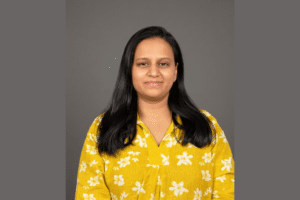
At The Tender Age Of 17, Esha Kode Has Won Multiple Beauty Pageants

The India Saga Saga |

Most of the teens these days spend most of their time partying or scrolling social media. But this 17-year-old Indian-American girl Esha Kode is not like your ordinary teenage girl. She is an extraordinary young girl who has achieved some great things at a very young age.

Just at the age of 17, Esha Kode has won multiple beauty pageants. Like she is the current Miss Teen India USA 2019, and she was also crowned s Miss Teen India NJ in both 2016 and 2018. Her beauty has caught the attention of the social media community, and her pictures are going viral. Other than that, what most people do not know is that Esha is more than just a beautiful face.  She is pursuing a medical profession and aspires to become a  pediatric surgeon in the future. Along with that, she also wants to become a mental health advocate.

Being so focused on her medical education, Esha also hopes to bring better mental health awareness throughout the world. To do so, she has also organised an internationally recognised TEDx show about mental health. She is also working on setting up her own company called Happy2Thrive that will strive to end the mental health stigma.

Esha is so much passion and focused on her dream of becoming a surgeon and mental health advocate. As most of the people would prefer to stick with just their medical profession, Esha’s plan is a little different here. Even after becoming a doctor, she wants to continue with her modelling profession. While doing so, she is going to be one of the rare doctors who is also a model.

Even after having an extraordinary life and aim, Esha is also just like your girl next door as she loves to watch Bollywood movies, reading books and dance. She is a super ambitious girl who has achieved quite a lot of things and will be going to reach many more goals in future.

Remixing Bollywood Music Is My Passion : DJ Chirag Dubai

The India Saga Saga |

DJ Chirag from Dubai has established himself as one of the most popular and youngest DJ and Producers in the country. At a very young age, he has  achieved success because of his talent and understanding of music and style of mixing the right tunes 

To learn the skill of being a DJ and understanding the music perfectly, DJ Chirag kept on listening to various kind of music genre’s from various artist across the globe which inspired him a lot. His main forte and passion was always in Bollywood music 

The talented DJ has worked with several popular artists like Neha Kakkar , Guru Randhawa, Badshah, Arjun, Juggy D, Deep Money, Jasmin Walia, Mika Singh , Raaftar, Manj Musik, Pav Dharia and many others. 

He believes that without music, life would be a mistake. To make sure his work reaches a lot of people, he also came up with his album called ‘Desi Nation’. His album crossed more than 3 million views on YouTube.

DJ Chirag has performed at a lot of major events. He currently is the resident DJ for Asian nights at some of the biggest and trendiest clubs all over Dubai. 

In 2017 and 2018, he was  nominated for ‘Best Asian DJ’ at the most coveted Masala Awards which is one of the most prestigious award functions in The Middle East.

With his music and his work, DJ Chirag Dubai wants to strike the right chords with the audience and give the best to those who love remixes.

Meet India’s Digital Marketing Guru & Personal Branding Expert aka Digital Pratik

The India Saga Saga |

Digital Marketing can turn business fortunes from Zero to millions & billions too based on the efforts.. But for that, you need an expert who understands the concept of business and applies his/her tactics to take clients business or individual popularity to a distinct level. We have heard about Neil Patel, Rand Fishkin and many ultra mind influencers who are changing the world with their skills and magic work of Digital Marketing.

Till now no name from India has made his/her mark globally like other influencers. But now the time is changing as we say “Apna time aaega” there is a young Digital marketing guy who is young, dynamic and master of Digital marketing and the most important thing is, he is our Indian, very well known as “Digital Pratik”.

Digital Pratik will surely make name count in the top list of Digital Marketing experts and influencers. He is already showing his talent and is changing fortunes for his clients by giving them his expertise on how to increase brand value by using technology in the right way.

Pratik knows how to outrank people with right marketing strategies and to do that you need sound knowledge because you are not the one in the market there are many experts roaming around to cut your path and clients from you with their skills. So if you feel it’s easy, when you are taking things lightly. Digital Marketing is not an easy thing today, as many people are trying their hands in it.

To come out at the top, you need continuous effort to learn new things, share things with people as Pratik feels learning, applying & sharing daily, makes you more perfect in your knowledge and also try different and unique things in life. Digital Pratik is India A listed Digital experts under 35. Which is an achievement, A young guy who has not even completed Graduation is leading his way on top in the Digital world is excellent.

His way of approaching Digital marketing is exciting and catchy. He knows how to drag people to his social media platform, and you want proof of that then listen to his daily updated Podcast, Instagram Videos, YouTube videos, and other social Media platform by writing Digital Pratik in google. He is hugely famous, and people wait for his videos and content for their business.

Well, on ending note must say, the way Digital Guru aka Digital Pratik is going. We will see him in the top list of the world as a leading Digital Marketing Guru, and that would be a proud movement for him and Our country.

Social Media Plays A Large Role In Branding ; Gagan Sethi

The India Saga Saga |

Social media is indeed a powerful tool in today’s 21st century as it can make someone a star over night.

Gagan Sethi from Amritsar, known from his famous name Jazz Gagan, is a social media influencer by profession. Gagan works in Punjabi Music industry and has worked with famous Punjabi celebrities like Jassmanak, Guri, Bjay and many more.

He is famous for his work on YouTube channel name Geetmp3. Geetmp3 is famous Punjabi music channel and digital promotion company.

Jazz Gagan is now planning to make his own record label for fresh upcoming Punjabi singers to give them chance and also to new talents who have no money to spend on songs and promotion.

Children Die Of Mysterious Fever In Bihar, Experts Differ On The Cause Of Fever

The India Saga Saga |

In a tragic incident in the Muzaffarpur district of North Bihar, at least 69 children within a week have lost their lives due to the outbreak of a disease, colloquially known as ‘Chamki Fever’. Unofficial records claim the total number of deaths is over 105 in the last ten days and over 100 children are fighting for life. On Monday itself, 20 children succumbed to severe high fever, nausea, and headache in Sri Krishna Medical College Hospital (SKMCH, a government undertaking) and Kejriwal Hospital (a private entity) at Muzaffarpur.

Several reports in media cite ‘Acute Encephalitis Syndrome’ (AES) as the potent reason behind the deaths of children between the ages of 4-12 years. Doctors say there is a serious deficit of Glucose known as Hypoglycemia in the bloodstreams of the affected children.

According to a research published in the Indian Journal of Medical Research (IJMR), between 2008 and 2014, there have been more than 44,000 cases and nearly 6000 deaths from ‘Encephalitis’ in India, particularly in Uttar Pradesh and Bihar. It also says, in 2016, there has been a rise in encephalitis, with over 125 children reported to have died in one hospital in Gorakhpur, Uttar Pradesh alone.

On the other hand, some health experts, doctors, and politicians in Bihar are also drawing connections between Litchi fruit and death of the children. Actually, this theory has been inspired by research done by the prestigious health journal, The Lancet, in 2017, which says that the consumption of Litchi empty stomach has led to mortality of hundreds of children. Muzaffarpur is known as the hub of producing maximum Litchi in the country. Now there are government advisories to the parents not to feed Litchi to their children. 

In an interview given to The Hindu, Chief Minister of Bihar Nitish Kumar said, “It generally hits those children who go to sleep empty stomach at night and eat litchis fallen on the ground. Earlier, three different teams of doctors had reached three different conclusions about the reason for children’s deaths in summer season in Muzaffarpur… last year, very few deaths were reported because an extensive awareness drive was launched.”

However, there are contrary arguments against the theory of Litchi and AES. In a telephonic conversation, a well-known Pediatrician at SKMCH, MBBS, MD (Pedia), Dr. Gopal Shankar Sinha spoke extensively and exclusively to ‘The India Saga’.  

‘Heat-stroke’ the main cause, not Litchi’

In the last two weeks, there is a steep rise in the temperature in the Northern part of India. Last week, Muzaffarpur, recorded 42 degree Celsius with humidity more than 60%, posing a great threat for the children who are exposed to the heat wave during the day and also at night.

Dr. Gopal Shankar Sahni, Head of Pediatrics Department at SKMCH, is not quite convinced with the association of Litchi and death of 54 children. He said, “I don’t think there is any connection with Litchi and death caused by Chamki Fever. It is more of a hypothesis. It is caused due to severe ‘heat stroke’ in the month on May-June every year in Muzaffarpur. It is the most adverse season for those children who belong to the poor financial background and suffer malnourishment at large scale. I have been working on this crisis since 2005. Today’s temperature at Muzaffarpur is more than 42 and humidity more than 60%. It makes the malnourished children vulnerable to the threat of Chamki fever. At least 30 patients have been admitted since morning. I forecast that the number of patients is going to be increased up to 50 till next morning. Next four days are going to be extremely critical and dangerous for us as the Monsoon is not going to come anytime sooner than 22nd June.”

However, The Lancet in its case-study, ‘The enigma of litchi toxicity: an emerging health concern in southern Asia’, says, “Ingestion of the hypoglycine-rich fruit of Ackee, a relative of lychee (Litchi), can induce a dose-dependent toxic hypoglycemic encephalopathy in poorly-nourished children. The syndrome is best known from Jamaica, where ackee is widely eaten and occurs most frequently in 2- to 10-year-old children, who develop severe hypoglycemia and metabolic acidosis.”

The research says that the cause behind the death of the children is ‘hypoglycemia’, low levels of glucose in the blood vessels and brain. Most of the affected children belong to a poor economic background. Malnourishment poses a great threat. Often they used to fed over the unripe fruits of Litchi and develop the syndrome of Chamki fever.

Contrary to the above theory by The Lancet, Dr. Sahni believes, “The Lancet is a very prestigious journal but I too have my own findings. They have confused the research by comparing the Jamaican Ackee fruit and Indian Litchi and Vietnamese Litchi. Both the fruits, Ackee and Litchi, belong botanically to the same family. The Jamaican fruit has ‘MCPG’. Its consumption causes the deficit of glucose level in the body. Jamaica has a history of losing its children due to this very reason. In India, researchers have attached the same hypothesis that Litchi also contains the same chemicals, causing death to the children.

“In the year 2014, 700 such cases were registered. However, for the next four years until 2018, only 30-40 cases were recorded. Does it imply that the children did not consume Litchis during those four years? The symptoms of Jamaican Ackee fruit is extreme vomiting and severe pain in the abdomen. However, here at Muzaffarpur, no such signs are recorded in Chamki-affected children. In 90% of the Chamki cases, not only glucose level but sodium and potassium level also differ. Consumption of Jamaican Ackee leads to a lower level of glucose in the children’s body. In India, not only glucose, multiple supplements are missing in the blood and it does clearly sync with the symptom of heat stroke. There is electrolyte imbalance in malnourished children.”

‘No more deaths if Monsoon comes today’

“Monsoon is the best treatment for this epidemic. In one of my research papers and articles published in Journal of Indian Medical Association (JIMA) in February this year, I have mentioned how heat stroke has played a villain in the increasing number of deaths of the children in Muzaffarpur. In the history of Muzaffarpur, the most severe epidemic occurred in 1995 and 2005 when more than 500 and 100 deaths occurred, respectively. It approaches when the environmental temperature approaches 38°C-44°C and remained sustained for 3 to 4 days. The outbreak is 100 percent associated with high environmental temperature and humidity. Heat stroke is a life-threatening medical emergency- defined clinically as core temperature >40°C accompanied by central nervous system dysfunction. My experience says if today Monsoon strikes in Bihar, there will be less or no cases of Chamki fever.”

‘Not AES, it is Metabolic Encephalopathy’

Dr. Gopal Shankar Sahni does also not align with the clinical term of Acute Encephalitis Syndrome. On the contrary, Dr. Sahni says, it is a case of Metabolic Encephalopathy. “Encephalopathy implies there is no infection in the human brain. The presentation of Encephalitis and Encephalopathy are almost same; both have same symptoms of acute fever, but the former causes infection to the brain, however, the latter occurs due to weak body mechanism and affects the brain. All the bi-chemical findings lead to the symptoms of heat stroke, not AES or Litchi consumption.”

(Sources- Inputs on phone by Dr. Gopal Shankar Sahni {Muzaffarpur}, research papers published in Lancet Global Health, Journal of Indian Medical Association (JIMA), Indian Journal of Medical Research (IJMR), Research Gate, local newspapers Bihar and Ministry of Health.)

Model To Watch Out For, He Was Born As Karan Oberoi, Branded as K.O.

The India Saga Saga |

Karan Oberoi is an Indian model. The Delhi born lad comes from a humble, upper middle-class and highly academic family. A fact that led him to get a B.Com(H) degree followed by two post graduate degrees – one in Mass Media and another in MBA in International Business. A chance foray into modelling was the break he needed to quit his graphic designing job in a reputed advertising firm, and set out in the world of modelling.

Almost a decade of hard work resulted in, Karan Oberoi building up a name himself. He has been the face of top health magazines like Men’s Health and Health & Nutrition.

He has walked the ramp for famous designers like Rohit Bal, Varun Behl, Shantanu and Nikhil, Rajesh Pratap Singh and Arjun Khanna. He has even been face of some famous commercial brands like Royal Enfield bikes, Lamborghini, Aldo, Peter England, Reebok and was recently part of Isuzu brand commercials during its launch in India. He has been on Lakme India Fashion Week, India Couture Week, GQ Nights and Wills Lifestyle India Fashion Week. ‘Supermodel Tag’ came along his way naturally.

He is one of the few who has made it big in both fashion and fitness world as a model. Karan Oberoi’s ten year long journey has also seen him bagging a number of titles along the way.

He won the ‘Youth Icon Model of the Year’ at the Global Leadership Awards in 2018 and ‘Best Body’ at Mr. India International. He was also appointed as ‘World Peace Messenger’ by WPDO, closely affiliated to United Nations as was seen as the icon for the young generation who follow his style and fitness. Karan Oberoi in his clan is among the few who has touched a million mark on Instagram as a model. This 31 year old icon has also worked with more than a century of commercial brands and fashion photographers from all over the country till date, few of the famous names include Dabboo Ratnani, Rafique Sayed, Amit Khanna, Tarunn (Banglore), Suvo Das and Rahul Dutta.

He has walked in more than 300 plus shows across the world especially in the Middle East. He has also walked ramp for top-notch brands such as Aldo, Peter England, Jack & Jones, Lamborghini, FTV, Shoppers Stop and McDowell’s Signature in the past. Karan was also voted as ‘Top Fitness Model’ by Hindustan times Brunch magazine in March 2018. In early 2018, Hindustan Times had while also calling him a ‘Knockout’. The term and its abbreviated form K.O., is used in full-contact combat sports to denote what is usually the match or fight-winning move. Soon later,  his colleagues in the industry started referring to him as K.O. It just so happened that Oberoi’s initials also spelled K.O., a fact that makes him partial to the nickname. As someone for whom fitness is way of living than a passing fad, being called K.O. is honourable . I personally like the boxing connotation of it, and imagine myself ‘knocking out’ my competition!” jokes Karan. Now because majority of people know him more by his nick name “KO” therefore it has become quite imperative that his digital branding is done as Karan Oberoi (KO) or just “KO”.

Exclusive Platform For Startups Launched To Share Their Exciting Journey – thestartupsaga.com

The India Saga Saga |

World is witnessing the growth of startups either its UBER, Unacademy, Testbook.com , Zomato and many more. Slowly and steadily these entrepreneurs are creating a Startup Ecosystem. Not all startups need funding, but all of them need visibility. .The India Saga has launched www.thestartupsaga.com exclusively for budding entrepreneurs across the globe to share their journey on how they build their startup idea into a company. 

It’s rightly said “Being An Entrepreneur is nothing like being an employee. Speed of action is more critical in a startup; otherwise, your competition will wipe you off.“ This ecosystem is growing at a very fast pace across the world. Media plays an important role in helping these startups to reach  masses. Budding entrepreneurs find it very difficult to get placed in any media portal in the initial days due to lack of knowledge about how to pitch media people to get featured. Keeping these things in mind The Startup Saga has been created which will give the entrepreneurs to showcase about their product and the journey of making that product. 

The Startup Saga can be contacted at https://www.thestartupsaga.com/contact

New Study Finds No Link Between HIV Infection And Contraceptive Methods

The India Saga Saga |

GENEVA : A large clinical research study conducted in four African countries found no significant difference in risk of HIV infection among women using one of three highly effective, reversible contraceptive methods.

Published today in the Lancet, the study showed that each method had high levels of safety and effectiveness in preventing pregnancy, with all methods well-accepted by the women using them.

The three methods investigated in the trial ? known as the Evidence for Contraceptive Options and HIV Outcomes (ECHO) study ? were:

  • DMPA – intramuscular (DMPA-IM), a three monthly, progestogen-only, reversible injectable contraceptive;
  • Levonorgestrel implant, a progestogen-only implant inserted under the skin in the upper arm that can be used for up to five years;
  • A copper-bearing IUD, a device inserted into the uterus that can be used for up to 10-12 years.

“These results support making available to women and girls a broad choice of effective contraceptive methods that empower them to make informed decisions about their own bodies – including if and when to have children,” said Dr James Kiarie, from the Department of Reproductive Health and Research at the World Health Organization. “Better access to contraception and quality reproductive health services would have a dramatic impact in improving the lives of millions of women and their families.”

The study found, however, that incidence of HIV infections among all of the women participants was high – an average of 3.8% per year- indicating that HIV remains a significant personal risk and public health challenge for many women in these countries.

“The study highlights the need to step up HIV prevention efforts in these high-burden countries – particularly for young women,” said Dr Rachel Baggaley from WHO’s HIV and Hepatitis Department. “These should include providing HIV testing and a range of HIV prevention choices within contraceptive service programmes.”

India Planning To Launch It’s First Human Space Flight by 2022 : Dr. Jitendra Singh

The India Saga Saga |

The Union Minister of State (Independent Charge) Development of North-Eastern Region (DoNER), MoS PMO, Personnel, Public Grievances & Pensions, Atomic Energy and Space, DrJitendra Singh along with Chairman, Indian Space Research Organisation (ISRO) Dr K Sivan addressed a press conference here today on upcoming space missions of ISRO, with a specific focus on Chandrayaan 2.

In his opening remarks, Dr. Jitendra Singh lauded the commitment and hard work of scientific community and highlighted the benefits of usage of space technology in improving the lives of common people. He said that Chandrayaan-I was instrumental in identifying water on the moon. Dr Singh said that under the direction of Prime Minister Modi, applications of space technology in areas such as infrastructure, disaster management and security have eased lives of common people and improved the delivery of Government’s welfare programmes. India has emerged as a world leader in space technology application today, he added.

On the forthcoming Gaganyaan Mission, Dr Singh said that by the 75th anniversary of Independence in 2022, India would be launching its first human space flight. He added that the Government has sanctioned Rs 10,000 crores for this Mission, which is being guided by the Gaganyaan National Advisory Council that has eminent scientists and persons as members.

Giving a presentation on the forthcoming Missions of ISRO, Dr Sivan gave details of Chandrayaan-2, Gaganyaan, Aditya L1 and a Mission to Venus.

Dr. Sivan said that the objectives of Chandrayaan-2 are:

  1. To map the variations in lunar surface composition extensively in order to trace back the origin and evolution of the moon.
  2. Focused studies on the extent of water molecule distribution on the surface, below the surface and in the tenuous lunar exosphere to address the origin of water on moon

The mission is planned to fly on a Geosynchronous Satellite Launch Vehicle Mark III (GSLV Mk III) with an approximate lift-off mass of 3,877 kg (8,547 lb) from Satish Dhawan Space Centre on Sriharikota Island. The launch is scheduled for 15 July 2019. He said that the controlled landing of rover on the lunar surface is the most challenging task.The mission will include 8 orbiter payloads, 3 Vikram Lander payloads and 2 Pragyaan Rover Payloads. Chandrayaan-2 represents a national effort with 500 industries and 15 institutions combining to achieve the desired objectives.

On Gaganyaan, Dr Sivan informed that ISRO has signed an MoU with Indian Air Force for selection and training of the crew. ISRO is also actively engaged in building capacity for India’s sustained human space flight programs, with the first manned flight scheduled in or before 2022. This will be the Gaganyaan mission, in which selected astronauts will spend 3-7 days in the Lower Earth Orbit (LEO) of 120-400 km.

The ISRO Chairman spoke about the solar mission Aditya L1, scheduled for launch in 2020. This would aim to study Sun’s Corona and its impact on climatic changes.

A mission to Venus has been planned for a tentative launch in 2023, with the objective to study the atmosphere and surface topography of Venus.

Dr Sivan said that ISRO is also planning to have its own Space station in the long term.

Algorithm Tells Robots Where Nearby Humans Are Headed

The India Saga Saga |

CAMBRIDGE, Mass. — In 2018, researchers at MIT and the auto manufacturer BMW were testing ways in which humans and robots might work in close proximity to assemble car parts. In a replica of a factory floor setting, the team rigged up a robot on rails, designed to deliver parts between work stations. Meanwhile, human workers crossed its path every so often to work at nearby stations. 

The robot was programmed to stop momentarily if a person passed by. But the researchers noticed that the robot would often freeze in place, overly cautious, long before a person had crossed its path. If this took place in a real manufacturing setting, such unnecessary pauses could accumulate into significant inefficiencies.

The team traced the problem to a limitation in the robot’s trajectory alignment algorithms used by the robot’s motion predicting software. While they could reasonably predict where a person was headed, due to the poor time alignment the algorithms couldn’t anticipate how long that person spent at any point along their predicted path — and in this case, how long it would take for a person to stop, then double back and cross the robot’s path again.

Now, members of that same MIT team have come up with a solution: an algorithm that accurately aligns partial trajectories in real-time, allowing motion predictors to accurately anticipate the timing of a person’s motion. When they applied the new algorithm to the BMW factory floor experiments, they found that, instead of freezing in place, the robot simply rolled on and was safely out of the way by the time the person walked by again.

“This algorithm builds in components that help a robot understand and monitor stops and overlaps in movement, which are a core part of human motion,” says Julie Shah, associate professor of aeronautics and astronautics at MIT. “This technique is one of the many way we’re working on robots better understanding people.”

Shah and her colleagues, including project lead and graduate student Przemyslaw “Pem” Lasota, will present their results this month at the Robotics: Science and Systems conference in Germany.

Clustered up

To enable robots to predict human movements, researchers typically borrow algorithms from music and speech processing. These algorithms are designed to align two complete time series, or sets of related data, such as an audio track of a musical performance and a scrolling video of that piece’s musical notation.

Researchers have used similar alignment algorithms to sync up real-time and previously recorded measurements of human motion, to predict where a person will be, say, five seconds from now. But unlike music or speech, human motion can be messy and highly variable. Even for repetitive movements, such as reaching across a table to screw in a bolt, one person may move slightly differently each time.

Existing algorithms typically take in streaming motion data, in the form of dots representing the position of a person over time, and compare the trajectory of those dots to a library of common trajectories for the given scenario. An algorithm maps a trajectory in terms of the relative distance between dots.

But Lasota says algorithms that predict trajectories based on distance alone can get easily confused in certain common situations, such as temporary stops, in which a person pauses before continuing on their path. While paused, dots representing the person’s position can bunch up in the same spot.

“When you look at  the data, you have a whole bunch of points clustered together when a person is stopped,” Lasota says. “If you’re only looking at the distance between points as your alignment metric, that can be confusing, because they’re all close together, and you don’t have a good idea of which point you have to align to.”

The same goes with overlapping trajectories — instances when a person moves back and forth along a similar path. Lasota says that while a person’s current position may line up with a dot on a reference trajectory, existing algorithms can’t differentiate between whether that position is part of a trajectory heading away, or coming back along the same path.

“You may have points close together in terms of distance, but in terms of time, a person’s position may actually be far from a reference point,” Lasota says.

It’s all in the timing

As a solution, Lasota and Shah devised a “partial trajectory” algorithm that aligns segments of a person’s trajectory in real-time with a library of previously collected reference trajectories. Importantly, the new algorithm aligns trajectories in both distance and timing, and in so doing, is able to accurately anticipate stops and overlaps in a person’s path.

“Say you’ve executed this much of a motion,” Lasota explains. “Old techniques will say, ‘this is the closest point on this representative trajectory for that motion.’ But since you only completed this much of it in a short amount of time, the timing part of the algorithm will say, ‘based on the timing, it’s unlikely that you’re already on your way back, because you just started your motion.’”

The team tested the algorithm on two human motion datasets: one in which a person intermittently crossed a robot’s path in a factory setting (these data were obtained from the team’s experiments with BMW), and another in which the group previously recorded hand movements of participants reaching across a table to install a bolt that a robot would then secure by brushing sealant on the bolt.

For both datasets, the team’s algorithm was able to make better estimates of a person’s progress through a trajectory, compared with two commonly used partial trajectory alignment algorithms. Furthermore, the team found that when they integrated the alignment algorithm with their motion predictors, the robot could more accurately anticipate the timing of a person’s motion. In the factory floor scenario, for example, they found the robot was less prone to freezing in place, and instead smoothly resumed its task shortly after a person crossed its path.

While the algorithm was evaluated in the context of motion prediction, it can also be used as a preprocessing step for other techniques in the field of human-robot interaction, such as action recognition and gesture detection. Shah says the algorithm will be a key tool in enabling robots to recognize and respond to patterns of human movements and behaviors. Ultimately, this can help humans and robots work together in structured environments, such as factory settings and even, in some cases, the home.

“This technique could apply to any environment where humans exhibit typical patterns of behavior,” Shah says. “The key is that the [robotic] system can observe patterns that occur over and over, so that it can learn something about human behavior. This is all in the vein of work of the robot better understand aspects of human motion, to be able to collaborate with us better.”

This research was funded, in part, by a NASA Space Technology Research Fellowship and the National Science Foundation.