Logo

Logo

Shubhanshu Shukla: The Indian from International Space Station

Shubham Tyagi |

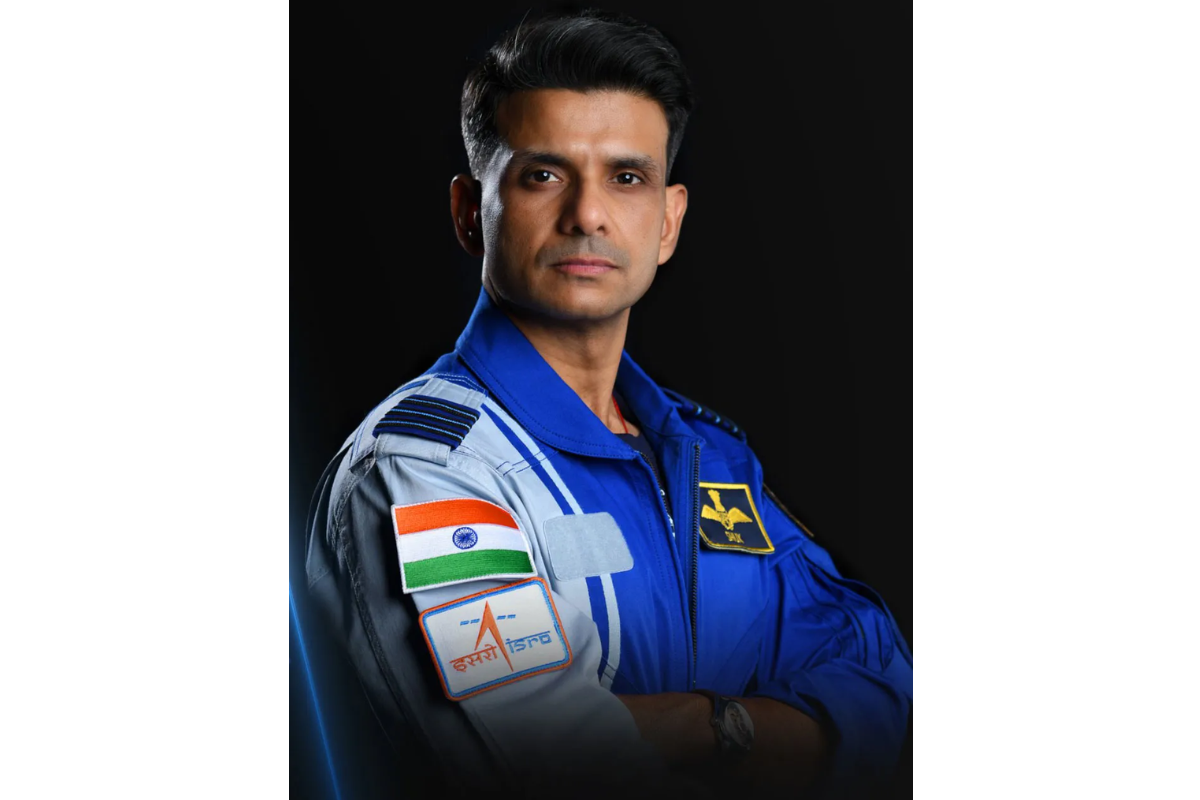
Group Captain Shubhanshu Shukla become the first Indian astronaut to travel to the International Space Station (ISS). With this India is witnessing a historic moment, his mission marks India’s return to human spaceflight after 41 long years. It is a proud moment for the country and a big step for India’s space journey.

From Lucknow to the Stars

Shubhanshu Shukla was born in Lucknow, Uttar Pradesh, in 1985. His story is not ordinary. He studied at City Montessori School in Lucknow. During his elder sister’s wedding, he secretly appeared for the National Defence Academy (NDA) exam. He cleared the exam without any coaching. His determination was clear from the start.

In 2001, he joined the NDA. Later, he trained at the Air Force Academy. He was commissioned into the fighter stream of the Indian Air Force (IAF) in 2006. Over the years, he has flown many aircraft like Su-30 MKI, MiG-21, MiG-29, Jaguar, and Hawk. He has logged over 2,000 flying hours.

Shubhanshu Shukla is not only a fighter pilot but also a skilled test pilot. In March 2024, he was promoted to the rank of Group Captain. His journey reflects hard work, dedication, and love for the country.

The Axiom Mission-4: India’s Big Leap

On 25th June 2025, Shubhanshu Shukla launched into space as part of Axiom Mission-4 (Ax-4). This mission is operated by Axiom Space, in collaboration with NASA, SpaceX, and international space agencies, including ISRO. This is not just a space visit. It is India’s first human presence at the ISS. The last time an Indian went to space was in 1984 when Rakesh Sharma flew aboard a Soviet spacecraft.

Launch Details:

  • Launch Vehicle: SpaceX Falcon 9 rocket
  • Spacecraft: Crew Dragon capsule
  • Launch Site: Kennedy Space Center, Florida, USA
  • Mission Duration: Up to 14 days at the ISS

Shubhanshu Shukla is part of a four-member crew. His participation shows India’s growing capability in space science and international partnerships.

Scientific Experiments:

Over 60 experiments will be conducted during the mission. These include:

  • Tardigrade Studies: Tardigrades, also called water bears, are tiny organisms known for surviving extreme conditions. Scientists will study their behavior in microgravity.
  • Plant Growth: Experiments will be done to understand how plants grow in space. This will help future space farming efforts.
  • Yoga in Space: Demonstrations and studies on how yoga can help astronauts stay fit in space.
  • Microgravity Impact: Research on how human bodies react to microgravity during long-duration space travel.

These experiments are designed by Indian scientists and international research teams. The findings will help both space agencies and medical science.

What Is He Carrying to Space?

The mission is not only about flying to space. Shubhanshu Shukla is carrying important items that reflect India’s science and culture.

Cultural Tokens:

Shubhanshu Shukla is also carrying special items that showcase India’s rich heritage:

  • Postcards from IISc Bengaluru: These are commemorative postcards from the Indian Institute of Science.
  • Yoga Demonstration Material: To promote the benefits of yoga in space environments.
  • Cultural Symbols: Small tokens representing India’s unity in diversity.

Why This Mission Matters for India 

This mission is a major achievement for India. It shows how far India’s space program has advanced. ISRO has already made the world proud with Chandrayaan and Mars missions. Now, India is stepping into human space exploration with confidence. 

Key Highlights:

  • First-ever Indian astronaut at the International Space Station
  • Strengthens India’s global space partnerships
  • Boosts ISRO’s Gaganyaan program for future human spaceflights
  • Opens doors for Indian experiments in space science
  • Inspires millions of young Indians to dream big

The mission reflects India’s capabilities and global standing in space technology. It also highlights the importance of scientific research for future space missions, including Moon and Mars exploration.

The Man Behind the Mission

Shubhanshu Shukla is not only a skilled pilot but also a proud Indian. He is married to Dr. Kamna Shukla, a dentist. The couple has a son. Despite his success, he remains humble. He enjoys reading, astrophotography, and is known for his calm nature. His journey from Lucknow to the stars proves that with hard work and dedication, no dream is impossible.

Group Captain Shubhanshu Shukla’s space mission is a proud chapter in India’s space history. His journey reminds us that India is ready to take its place among the leading space-faring nations. The experiments, cultural tokens, and scientific goals of this mission will contribute to both space science and national pride. 

The entire country is watching, with hopes high and hearts filled with pride. Shubhanshu Shukla’s mission is not just about space, it’s about taking India’s dreams beyond the skies. 

Airtel Xstream Fiber Plans 2025: Get Super-Fast Unlimited Internet!

Devendra Khati |

Do you ever get annoyed when your favorite cartoon on YouTube stops right in the middle? Or when your online game starts to lag just when you are about to win? It’s so frustrating! This usually happens because your internet is slow. But what if you could get internet that is super-duper fast? Say hello to Airtel Xstream Fiber!

What is This “Fiber” Internet?

Imagine your internet comes to your house through a pipe. The old internet used a thin, copper pipe, like a small garden hose. Only a little bit of internet “water” could come through at a time.

Airtel Xstream Fiber uses a special new pipe made of glass, which is as thin as your hair! This is called a fiber optic cable. It sends information using light, which is the fastest thing in the universe! This means the internet “water” flows like a giant, powerful river. It’s so fast that buffering and lagging become a thing of the past.

What Do You Get with an Airtel Xstream Fiber?

When you choose a plan, you get a whole package of awesome things:

1. Lightning-Fast Speed! You can choose how fast you want your internet to be. The speed is measured in something called Mbps (Megabits per second). Think of it like this:

  • 40 Mbps Plan: Great for online classes, watching YouTube, and homework.
  • 100 Mbps Plan: Perfect if many people at home are using phones, laptops, and the TV at the same time.
  • Super High-Speed Plans (like 200 Mbps or more): For serious gamers and families who want the best speed possible!

2. Unlimited Fun! Most Airtel Xstream Fiber plans come with unlimited data. This means you can watch as many movies, download as many games, and attend as many online classes as you want. You never have to worry about your internet finishing for the month!

3. A Magic Wi-Fi Box Airtel gives you a free Wi-Fi router. This is the magic box that takes the internet from the wire and spreads it all over your house. So, you can use the super-fast internet on your phone in your room, on the laptop in the living room, and everywhere else.

4. A Free Telephone Line You also get a landline phone connection with your plan. You can make unlimited calls to anyone in India, which is great for talking to your grandparents and friends.

5. Free Movie and Show Apps! With many plans, Airtel also gives you free subscriptions to apps like Disney+ Hotstar, Amazon Prime, and more. It’s like getting a free ticket to a huge cinema with thousands of movies and shows.

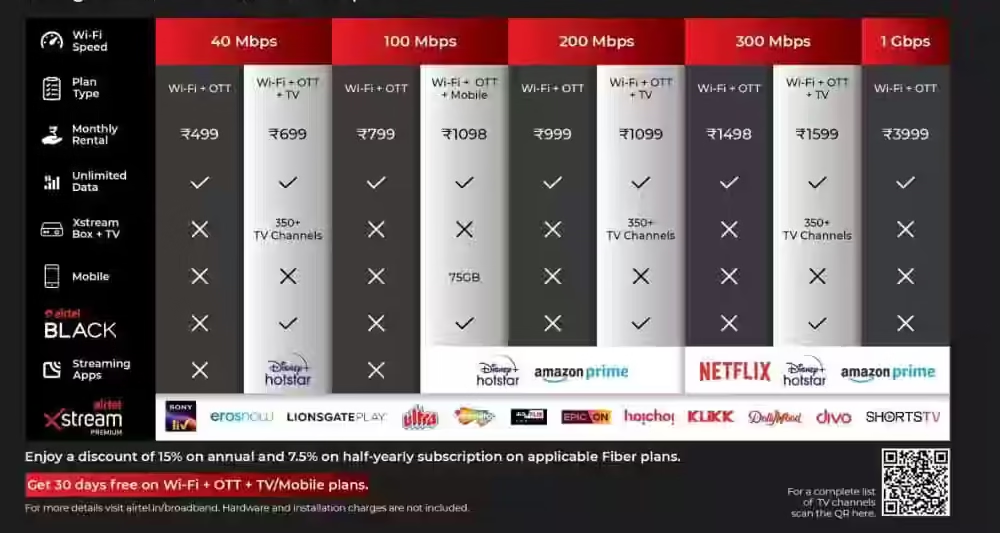
Airtel Xstream Fiber Plans 2025

Monthly
Prices
Internet
Speed
DTH
Benefits
Other
Benefits
Wi-Fi Router
& Installation
₹499Up to 40 MbpsGoogle One**, Airtel Xstream Play (22+ OTTs) – 3 months trial offerFree on 6 Months/12 Months plan
₹599**In select Geographies  Up to 30 Mbps350+ TV channels (HD included)ZEE5, Google One**, JioHotstar, 22+ OTTs & much moreFree on advance plans
₹699**In select Geographies  Up to 40 Mbps350+ TV channels (HD included)ZEE5, Google One**, JioHotstar, 22+ OTTs & much moreFree on advance plans
₹799Up to 100 MbpsGoogle One**Free on 3 months/
6 Months/12 Months plan
₹899Up to 100 Mbps350+ TV channels (HD included)ZEE5, Google One**, JioHotstar, 22+ OTTs & much moreFree on advance plans
₹999Up to 100 MbpsNetflix, Amazon Prime, Google One**, Apple TV+, ZEE5, JioHotstar, 22+ OTTs & much moreFree on 3 months/
6 Months/12 Months plan
₹1199Up to 100 Mbps350+ TV channels (HD included)Netflix, Amazon Prime, Google One**, Apple TV+, ZEE5, JioHotstar, 22+ OTTs & much moreFree on advance plans
₹1599Up to 300 Mbps350+ TV channels (HD included)Netflix, Amazon Prime, Google One**, Apple TV+, ZEE5, JioHotstar, 22+ OTTs & much moreFree on advance plans
₹3999Up to 1 Gbps350+ TV channels (HD included)Netflix, Amazon Prime, Google One**, Apple TV+, ZEE5, JioHotstar, 22+ OTTs & much moreFree on advance plans

So, Is It for You?

If your family loves to stream movies, play online games, work from home, or attend online classes, then Airtel Xstream Fiber is a fantastic choice. It makes sure everyone has a fast and smooth internet connection without any fights over who is making the Wi-Fi slow! It’s like upgrading from a small bicycle to a super-fast race car for your internet journey.

ALEX Protocol Hack Explained: How It Happened and What Was Stolen

Devendra Khati |

The world of Decentralized Finance (DeFi) was once again rocked in June 2025 with a significant exploit targeting the ALEX Protocol, a prominent Bitcoin DeFi platform built on the Stacks blockchain. While the exact figures varied in initial reports, the incident led to substantial losses, underscoring the ongoing security challenges faced by the burgeoning DeFi ecosystem

What is ALEX Protocol?

Before diving into the hack, let’s understand what ALEX Protocol is. ALEX (Automated Liquidity Exchange) is an open-source DeFi protocol that aims to bring sophisticated financial primitives to Bitcoin. It operates on the Stacks blockchain, which enables smart contracts to be executed on top of Bitcoin, leveraging Bitcoin’s security for settlement. Essentially, ALEX allows users to trade, lend, and borrow crypto assets, with a focus on utilizing Bitcoin as the underlying asset. It offers features like decentralized bonds, Automated Market Maker (AMM) pools, and a launchpad for new projects in the Bitcoin ecosystem.

ALEX Protocol Hack Explained: How It Happened and What Was Stolen

The ALEX Protocol hack, which occurred on June 6, 2025, involved a sophisticated attack that exploited a critical vulnerability in the protocol’s self-listing verification logic. This flaw allowed the attacker to drain liquidity from several asset pools, leading to millions of dollars in losses.

According to reports, the attacker initiated the exploit by creating a fake token with a malicious transfer function embedded within its smart contract. They then created a liquidity pool using this fake token and a legitimate asset, like STX (Stacks token). Crucially, the attacker managed to call a specific function, set-approved-token, which granted the malicious smart contract vault-level permissions within the ALEX Protocol system.

With this elevated access, the attacker was able to manipulate a flag within ALEX Lab’s system, specifically set-enable-farming, which activated the malicious contract’s transfer function. When a standard swap-x-for-y (token swap) call was performed, the ALEX Protocol’s legitimate contract inadvertently called the fake transfer function within the malicious token contract. The clever part of the attack involved the use of as-contract, which made it appear as though the ALEX vault itself was initiating the transfer, effectively bypassing the protocol’s internal access controls. This allowed the attacker to siphon off significant amounts of various assets.

Stolen Assets (Approximate Figures):

  • Approximately 8.4 million Stacks (STX) tokens
  • 21.85 Stacks Bitcoin (sBTC)
  • 149,850 in USDC and USDt (stablecoins)
  • 2.8 Wrapped Bitcoin (WBTC)

The total estimated loss varied, with some reports citing $8.3 million and others closer to $16.18 million, depending on the inclusion of all affected tokens.

Previous Incidents and Lessons Learned

This was not the first security incident for ALEX Protocol. In May 2024, the platform also suffered an exploit involving its cross-chain bridge infrastructure, resulting in a loss of $4.3 million. That incident was tentatively linked to the notorious North Korean cybercrime group Lazarus. These repeated attacks highlight a critical challenge in the DeFi space: the complexity of smart contracts and the ever-evolving nature of attack vectors.

The June 2025 hack specifically pointed to “failed access controls” as the root cause. This emphasizes the vital importance of thorough smart contract audits, not just for new features but for all existing code, to identify and mitigate vulnerabilities before they can be exploited.

ALEX Protocol’s Response and Reimbursement

In the immediate aftermath, the Alex Lab Foundation, the organization behind the protocol, pledged to fully reimburse all affected users. They outlined a structured claims process:

  • Compensation would be issued in USDC tokens.
  • Reimbursement calculations were based on average on-chain exchange rates during a specific window (10:00 am UTC to 2:00 pm UTC) on the day of the attack.
  • Affected wallets were to receive an on-chain notification by June 8, including a personalized claim form.
  • Users were required to submit the form and a receiving wallet address by June 10.
  • The team committed to verifying claims and distributing payments within seven days.

While the technical details of the exploit were initially scarce, ALEX Protocol was expected to release a comprehensive post-mortem report to shed more light on the incident and the preventative measures being implemented.

Stay updated on official announcements: For the latest updates from ALEX Protocol, users are encouraged to follow their official Twitter account: @AlexLabCoin (Please note: This is a placeholder for the actual Twitter handle, as direct links to specific tweets about the hack might become outdated. Always verify official sources).

The Broader Implications for DeFi Security

The ALEX Protocol hack serves as a stark reminder of the inherent risks in the DeFi landscape. While decentralization offers numerous benefits, it also places a greater onus on users and developers to prioritize security.

Key takeaways for the DeFi community:

  • Rigorous Smart Contract Audits: This cannot be stressed enough. Protocols must undergo multiple, independent audits by reputable security firms, covering all code, including existing and newly deployed features.
  • Robust Access Controls: Thoroughly designed and tested access control mechanisms are crucial to prevent unauthorized interactions with sensitive protocol functions.
  • Decentralized Security Practices: While not directly related to this exploit, users should always practice good security hygiene, including using hardware wallets for storing private keys and being wary of phishing attempts.
  • Community Vigilance: An active and engaged community can often help identify potential issues, though the ultimate responsibility lies with the protocol developers.
  • Incident Response Plans: Clear and swift communication, along with a well-defined reimbursement plan, are essential for maintaining user trust in the event of a security breach.

The DeFi space is still evolving, and with innovation comes risk. As protocols like ALEX continue to push the boundaries of what’s possible on the blockchain, the commitment to robust security practices will be paramount for fostering long-term trust and widespread adoption.


Iran vs Israel and America: A Global Threat Growing Stronger

Shubham Tyagi |

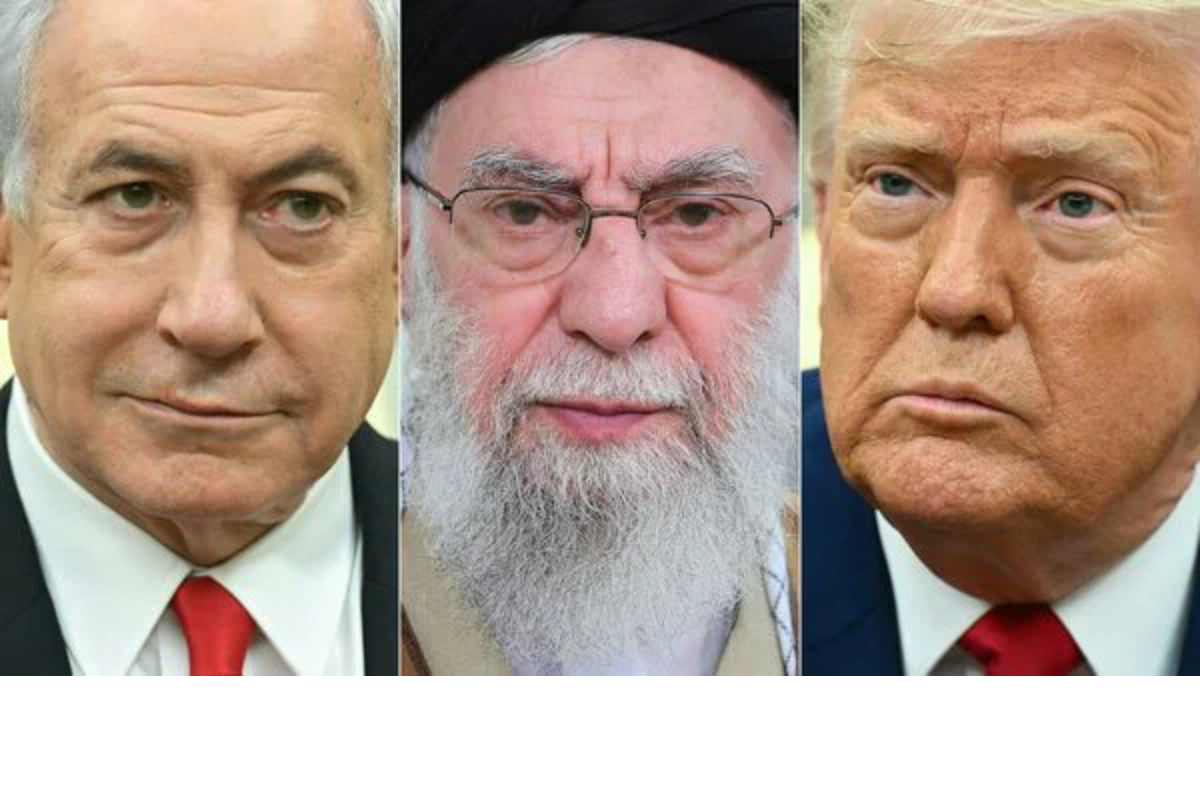
The tensions between Iran vs Israel, and America have crossed dangerous lines in recent months. What started as political rivalry has now become a serious global concern. The latest attacks, threats, and military actions have left the Middle East on the edge of war.

Background of the Conflict

The Iran vs Israel and America conflict is not new. It dates back to 1979 when Iran’s Islamic Revolution took place. Since then, Iran has openly opposed Israel’s existence. Iran also supports groups like Hezbollah and Hamas that attack Israel.

On the other hand, Israel considers Iran its biggest enemy. The reason is Iran’s nuclear program and its support for anti-Israel militants. America, being Israel’s strongest ally, has always backed Israel in this fight.

This has created a three-way conflict that now involves not just the Middle East, but major powers across the world.

Recent Events Fueling the Fire

The conflict became worse after Israel’s war on Gaza in October 2023. Iran strongly condemned the attacks on Palestinians. Iran also supported groups fighting against Israel.

In April 2024, Iran launched a direct missile and drone attack on Israel. This was the first time Iran attacked Israel openly from its own land. Though Israel managed to intercept most of the attacks, the message was clear — Iran is ready for war.

In response, Israel launched airstrikes on Iran’s military sites. This included attacks near Iran’s nuclear facilities. America supported Israel’s actions, providing intelligence and military assistance. The situation is now more dangerous than ever.

America’s Role in the Conflict

America has always sided with Israel in the Middle East. It provides billions of dollars in military aid to Israel every year. America also helps Israel with weapons, defence technology, and intelligence. In the recent attacks, America played a key role. American forces in the region helped shoot down Iranian drones. The US also sent more warships and fighter jets to the Middle East. However, America’s role is not just about supporting Israel. It is also about controlling Iran’s influence in the region. America fears that Iran, with its growing ties to Russia and China, could become a bigger threat to its global power.

Iran’s Growing Alliance with Russia and China

Iran has cleverly used the West’s hostility to form new alliances. In recent years, Iran has grown closer to Russia and China. All three countries oppose America’s global dominance. Russia is already facing Western sanctions due to its war in Ukraine. Iran is under US sanctions for its nuclear program. China is in a cold economic war with America. Together, these three countries are trying to create a new power balance. Their cooperation includes trade, military ties, and energy deals. This makes the Iran-Israel-America conflict a part of a bigger global game.

Global Reactions and Concerns

The United Nations has called for peace and restraint. But the reality on the ground shows the opposite. Countries like Saudi Arabia, UAE, and European nations fear a full-scale war. Global oil prices have already gone up due to tensions in the Middle East. The closure of key routes like the Strait of Hormuz could trigger an energy crisis. A wider war can disrupt global trade and economies. The situation is not just a regional issue. It affects the entire world.

Is America Making the Situation Worse?

Many experts believe that America’s aggressive approach has made the conflict worse. Instead of promoting peace, America continues to supply weapons to Israel. Its military presence in the Middle East adds fuel to the fire. America’s sanctions on Iran have only pushed Iran closer to Russia and China. Its blind support for Israel’s actions in Gaza has created more anger in the Muslim world. America claims to fight for democracy and peace. But its policies often trigger more wars and destruction.

Possibility of a Full-Scale War

The risk of a full-scale war between Iran and Israel is now real. Both countries have advanced missiles, drones, and cyber warfare abilities. Iran is believed to be closer to developing nuclear weapons. If such a war happens, America will surely join on Israel’s side. Iran’s allies like Hezbollah in Lebanon, Houthis in Yemen, and pro-Iran groups in Iraq will also join the fight. This could turn into a regional war involving multiple countries. The damage to lives, economies, and global peace would be unimaginable.

The World Must Act Before It’s Too Late

The Iran vs Israel and America conflict is a ticking time bomb. The recent attacks show how close we are to a major war. Global leaders must take this seriously. The United Nations and other peace groups should act quickly. Diplomatic talks, not weapons, are the only way forward. America must rethink its role and focus on peace, not just power politics. History has shown that wars in the Middle East never stay limited. They affect the whole world. The time to stop this conflict is now.

Panchayat Season 4: The Wait is Over to see the Phulera Elections

Shubham Tyagi |

The wait for Panchayat Season 4 is finally over! The much-loved rural drama returned on 24th June 2025, sending fans into a frenzy. Within hours of its release on Amazon Prime Video, social media exploded with reviews and excitement. The new season brings back the familiar charm of Phulera village with more drama, humor, and unexpected twists. If you have loved the earlier seasons, this one promise to be even better.

A Quick Recap of Panchayat

Panchayat was first released in April 2020. It follows the life of Abhishek Tripathi, played by Jitendra Kumar. He works as a Panchayat secretary in the remote village of Phulera, Uttar Pradesh. The series highlights the beauty, struggles, and humor of rural life. It also focuses on grassroots politics and social issues. The relatable characters and simple storytelling make the show stand out.

Why Panchayat Became a Cult Hit

Panchayat succeeded because of its honesty and simplicity. The show avoids glamour and presents life as it is. It captures the everyday issues of villages with warmth and humour. Characters like Pradhan Ji (Raghubir Yadav), Manju Devi (Neena Gupta), Vikas (Chandan Roy), and Prahlad (Faisal Malik) feel real. Their chemistry and comic timing have won millions of hearts.

What Happened in Season 3?

Season 3 had many emotional and political twists. Abhishek’s future in Phulera became uncertain. The village faced new challenges with politics heating up. The budding romance between Abhishek and Rinki (Sanvikaa) also grabbed attention. The season ended on a cliffhanger, leaving fans curious.

What’s New in Panchayat Season 4?

Season 4 picks up right where the previous season ended. The latest episodes dive deeper into village politics and power struggles. Abhishek finds himself stuck between personal ambitions and responsibilities. His relationship with Rinki also takes an interesting turn. The show balances humor, emotion, and satire perfectly. Expect more sharp dialogues, surprising twists, and heartfelt moments.

The Cast and Performances

The entire main cast returns, adding authenticity to the show. Jitendra Kumar continues to shine as Abhishek. Raghubir Yadav and Neena Gupta deliver flawless performances. Chandan Roy and Faisal Malik bring comic relief and depth. Sanvikaa as Rinki has more screen space, adding charm to the story.

Why Fans Love Panchayat Season 4

The new season has been praised for staying true to its roots. It offers more than just laughs. It reflects real village problems, power games, and human emotions. Viewers love the natural dialogues, scenic shots, and subtle humor. Social media is flooded with appreciation posts and memes.

Social Media Reactions

Since its release, Panchayat Season 4 has dominated trending charts. Fans on Twitter, Instagram, and YouTube can’t stop discussing key moments. The hashtag #Panchayat4 continues to trend as viewers share their favorite scenes.

Panchayat Season 4 is a worthy continuation of this iconic series. It combines humor, drama, and real-life village politics effortlessly. If you have not watched it yet, now is the time. All episodes are streaming on Amazon Prime Video. Dive into the world of Phulera and enjoy the magic once again. Panchayat proves that great storytelling doesn’t need glamour; it just needs honesty, simplicity, and heart.

Strait of Hormuz Closed: America Invites A Global Crisis

Shubham Tyagi |

The world is facing a major crisis after Iran’s parliament voted to close the Strait of Hormuz, the world’s most crucial oil route. This dangerous situation comes after the United States carried out airstrikes on Iran’s nuclear facilities. The decision has triggered fresh fears over global energy security and rising tensions in the Middle East.

Why the Strait of Hormuz Matters

The Strait of Hormuz is a narrow stretch of water between Iran and Oman. Nearly 20% of the world’s oil and a large portion of liquefied natural gas pass through this route daily. Global trade depends heavily on this channel. If Iran blocks this route, energy markets across the globe will face a severe shock. Oil prices have already started to rise. Experts warn that prices may touch $100 to $150 per barrel if the crisis continues.

How the Situation Started

The current crisis began when the United States launched airstrikes on Iran’s nuclear sites. The U.S. claimed it acted to stop Iran’s nuclear ambitions. But this action has only increased tensions. Many believe the U.S. move was aggressive and unnecessary. America’s decision to attack a sovereign nation without exploring peaceful solutions shows a reckless approach. Instead of promoting peace, it has brought the region to the brink of a major conflict.

Iran’s Response

Iran’s parliament voted in support of closing the Strait of Hormuz. However, the final approval lies with the Supreme National Security Council of Iran. Iranian leaders see this move as a way to protect their interests and push back against Western interference. Iran has made its position clear. It will not stay silent while foreign powers target its territory and threaten its security.

What This Means for the World

This crisis affects not just Iran and the U.S., but the entire world. Here’s how:

  1. Global Oil Prices Will Rise: The Strait of Hormuz carries nearly 20 million barrels of oil daily. A blockade will choke this supply. Countries like India, China, Japan, and European nations depend on oil passing through this route. Rising prices will increase inflation and make everyday life expensive.
  2. Global Trade Will Suffer: The strait is also important for global trade beyond oil. Shipping companies may avoid the region due to security risks. This will disrupt global supply chains.
  3. New Conflict May Begin: If Iran closes the strait, the U.S. and its allies may respond with military action. This could lead to a dangerous war in the Middle East. The world has seen enough wars in this region. Another conflict will only bring more suffering.
  4. Developing Countries Will Suffer Most: Countries like India heavily depend on energy imports. Higher fuel prices will hurt economies that are already struggling. The poor will feel the worst impact.

Is America to Blame?

Many experts blame the U.S. for escalating this situation. By attacking Iran’s nuclear facilities, America has once again chosen the path of force over diplomacy. The U.S. claims to defend global security but often acts as the world’s policeman without thinking about the long-term consequences. History has shown that American interventions in the Middle East only bring chaos. From Iraq to Afghanistan, U.S. military actions have left behind broken nations and millions of lives destroyed.

The Need for Dialogue, Not War

The only way to avoid disaster is through honest dialogue. Global leaders must push for talks between Iran, the U.S., and other key nations. Sanctions and bombs will not solve this crisis. Only peaceful negotiations can restore stability.

The world is standing on the edge of a new energy and security crisis. Iran’s move to close the Strait of Hormuz is a warning sign. But the root of the problem lies in aggressive policies, especially from America. The global community must come together to stop this conflict before it spirals out of control. The world needs peace, not war. It needs dialogue, not destruction.

Today’s Top 5 News Headlines: US Strikes Iran, India-Canada Ties & More | June 22, 2025

TheIndiaSaga Team |

Daily News Roundup: Top 5 Breaking Stories for June 22, 2025

Stay informed with our concise summary of the most significant trending news stories of the day. From major geopolitical shifts to key economic indicators, here’s what you need to know right now.


Geopolitical Shockwave: US Launches Retaliatory Airstrikes on Iranian Nuclear Sites

Global tensions have skyrocketed following United States military action against three Iranian nuclear facilities. In a pre-dawn operation, US forces conducted targeted airstrikes on key installations at Fordow, Natanz, and Isfahan. A White House spokesperson described the strikes as a necessary and “retaliatory action” against imminent threats to US personnel in the Middle East.

The international response has been swift, with global leaders urging restraint to prevent a wider Middle East conflict. The immediate economic fallout includes a sharp surge in oil prices and increased volatility across global stock markets, as investors grapple with the heightened geopolitical risk.


Diplomatic Reset: India and Canada Fully Restore Ties After Months of Tension

In a significant move towards normalization, India and Canada have announced the full restoration of diplomatic relations. This breakthrough marks an end to a prolonged diplomatic standoff that began with allegations from Ottawa last year. Both New Delhi and Ottawa have confirmed that their respective High Commissioners will be reinstated, paving the way to rebuild cooperation on critical files including trade, security, and immigration. This India-Canada diplomatic reset is being viewed as a crucial step in stabilizing a key international partnership.


Tech’s Duality: Navigating Fresh Layoffs Amid Breakthroughs in AI

The technology sector continues to present a contrasting picture of contraction and explosive growth. Several major tech corporations have announced another round of tech layoffs, continuing a trend of workforce reduction amid economic uncertainty and strategic shifts.

Simultaneously, AI innovation is accelerating at an unprecedented pace. Today saw the announcement of new, more powerful generative AI models capable of complex reasoning and creation. This “duality” in the tech world highlights a major industry-wide transition towards automation and AI-driven growth.


England vs. India Test Match: Cricketing Drama Unfolds in Tightly Poised Contest

The ongoing England vs. India Test match remains the top story for cricket fans, with the contest balanced on a knife’s edge. Both teams have demonstrated formidable skill with bat and ball, leaving the match result wide open. As the game progresses, key moments and individual performances are shaping up to deliver a thrilling conclusion. Fans are eagerly searching for the latest cricket highlights and analysis as this nail-biting encounter continues.


Markets in Turmoil: Oil Prices Spike as Investors React to Middle East Conflict

Financial markets are experiencing significant turbulence in direct response to the escalating conflict in the Middle East. The price of Brent crude oil saw a dramatic spike as news of the US airstrikes broke. Investors are moving towards safe-haven assets, such as gold and the US dollar, leading to a broad sell-off in global equity markets. Market analysts warn that this period of high volatility is likely to continue as traders assess the full economic impact of the geopolitical instability.

Bihar will prosper and will also play a big role in the prosperity of the country: PM

TheIndiaSaga Team |

The Prime Minister Narendra Modi inaugurated and laid the foundation stone of multiple development projects worth over Rs  5,200  crore in Siwan, Bihar today. Extending greetings to all present, the Prime Minister paid respects to Baba Mahendra Nath and Baba Hans Nath, and invoked the sacred presence of Sohgara Dham. He also offered salutations to Maa Thawe Bhawani and Maa Ambika Bhawani. The Prime Minister honored the memory of the nation’s first President, Desh Ratna Dr. Rajendra Prasad and Loknayak Jayaprakash Narayan.

Describing Siwan as an inspiring land in India’s freedom struggle, Modi underlined that this land has empowered the nation’s democracy and strengthened the Constitution. He highlighted that Siwan gave the country a great son in Dr. Rajendra Prasad, who played a pivotal role in both drafting the Constitution and guiding the country’s direction. The Prime Minister further acknowledged Siwan’s contribution in the form of great social reformer Braj Kishore Prasad, who dedicated his life to the cause of women’s empowerment.

Modi expressed happiness that the mission of such great souls is being advanced with strong resolve by the Union and State government. He stated that today’s programme is a part of these continued efforts. The Prime Minister announced that projects worth thousands of crores of rupees were inaugurated and foundation stones laid from the same platform, emphasising that these developmental initiatives will lead Bihar toward a brighter future and contribute to building a prosperous state. Shri Modi remarked that the projects will play a major role in the growth of regions like Siwan, Sasaram, Buxar, Motihari, Bettiah, and Arrah. He highlighted that these initiatives will ease the lives of the poor, the deprived, Dalits, Mahadalits, backward and extremely backward communities and extended warm congratulations to the people of Bihar for these projects.

Stating that he had just returned from a foreign visit, Shri Modi shared that during the tour, he engaged in discussions with leaders of some of the world’s most developed nations. He highlighted that global leaders are deeply impressed by India’s rapid growth. The Prime Minister remarked that these leaders see India emerging as the world’s third-largest economic powerhouse and affirmed that Bihar will play a major role in this transformation. “A prosperous Bihar will significantly contribute to the country’s overall development”, described Shri Modi, attributing the confidence to the strength and capability of the people of Bihar. The Prime Minister commended the people for eradicating the era of lawlessness in the state. He observed that today’s youth in Bihar know the state’s condition two decades ago only through stories and anecdotes. Pointing out that they may not fully grasp the extent of deterioration caused during that period of misrule, Shri Modi  emphasized that Bihar, which led India’s progress for centuries, had once become a symbol of forced migration due to the grip of previous regimes.

Emphasising that for every resident of Bihar, self-respect is paramount, the Prime Minister remarked that my Bihari brothers and sisters demonstrate remarkable resilience, succeeding even in the most difficult circumstances. He asserted that they never compromise on their self-respect. However, the Prime Minister noted that the previous regimes severely hurt Bihar’s pride. He criticized these regimes of rampant corruption, which turned poverty into Bihar’s misfortune. Despite numerous challenges, he said, under the leadership of Shri Nitish Kumar, the present government has brought Bihar back on the path of development. Shri Modi cited that in the last 10–11 years, approximately 55,000 kilometers of rural roads have been constructed in Bihar. He added that over 1.5 crore homes have been provided with electricity connections while 1.5 crore households have received water connections. Shri Modi noted that more than 45,000 Common Service Centres have been established across the state, highlighting that new start-ups are now emerging in small towns across Bihar.

Noting that the momentum of Bihar’s development continues to accelerate, Shri Modi cautioned that elements responsible for previous lawlessness are now seeking an opportunity to regain control of the government and Bihar’s economic resources. He stated that these groups are resorting to various tactics to achieve their goals. The Prime Minister urged the people of Bihar to remain highly vigilant, emphasizing the need to keep those who are poised to derail the journey toward a prosperous Bihar far away.

The Prime Minister remarked that while the country has long heard slogans about eradicating poverty, their government has demonstrated that poverty can indeed be reduced. “In the past decade, a record 25 crore Indians have overcome poverty”, highlighted Shri Modi, pointing out that globally renowned institutions like the World Bank have praised India’s achievement. He noted that Bihar and particularly the government under Shri Nitish Kumar has played a significant role in this national success. Previously, the Prime Minister stated, more than half of Bihar’s population fell into the category of extreme poverty. However, in the last ten years, nearly four crore people in Bihar have overcome poverty.

Pointing out that even decades after independence, millions remained poor not due to a lack of effort, but because they had no path forward, Shri Modi attributed this to the long-standing license raj under the previous regime, which, he said, kept the nation poor. He noted that during that time, every service and opportunity was bound by rigid quota-permit systems, requiring even the smallest tasks to be approved. The Prime Minister stated that under the rule of previous governments, the poor were denied housing, while middlemen siphoned off ration supplies. He emphasized that healthcare remained out of reach for the poor, and education and employment were constant struggles. The Prime Minister observed that citizens had to make countless visits to government offices just to secure electricity or water connections. He added that getting a gas connection required an MP’s recommendation, and jobs were inaccessible without bribery or influence. Stating that the worst affected by this system were primarily people from Dalit, Mahadalit, backward, and extremely backward communities, Shri Modi said that while these sections were shown dreams of poverty eradication, a handful of families became millionaires and billionaires in the process.

“Over the past 11 years, our government has remained committed to removing every obstacle from the path of the poor. As a result, visible and impactful outcomes are now emerging”, said Shri Modi. He remarked that over the last decade, more than 4 crore poor families across the country have received pucca houses under government initiatives and an additional 3 crore homes are set to be constructed in the coming years. Shri Modi emphasized that this development has significantly benefited the poor, Dalits, Mahadalits, backward classes, and extremely backward families in Bihar. Under the Pradhan Mantri Awas Yojana, more than 57 lakh pucca houses have been built in the state alone. In Siwan district, the Prime Minister pointed out, over 1.10 lakh homes have already been constructed for the poor and affirmed that this work is ongoing without interruption. He stated that housing installments were disbursed today for over 50,000 families in Bihar. Shri Modi expressed particular satisfaction that a majority of these houses are registered in the names of mothers and sisters. He noted with pride that women who traditionally never had property in their names are now becoming proud homeowners.

Highlighting that the government is providing not only housing but also free ration, electricity, and water facilities to the poor, the Prime Minister remarked that over the past years, more than 12 crore new households across the country have been connected with tap water. He noted that in Siwan district alone, over 4.5 lakh families received tap water for the first time. Shri Modi stated that the government is working with the objective of ensuring tap connections in every rural household and adequate drinking water in urban areas. He pointed out that in recent years, multiple pipeline and sewage treatment projects have been executed in various cities of Bihar. He added that new pipeline and sewage treatment plants have now been approved for dozens more towns. “All these projects will significantly enhance the quality of life for poor and middle-class families”, underlined the Prime Minister.

Strongly criticising the track record of the previous dispensation, Shri Modi stated that their actions have consistently been anti-Bihar and anti-investment. He remarked that whenever these parties speak of development, people are reminded of locked shops, stalled businesses, and crippled industries. The Prime Minister asserted that this is why such parties have never been able to win the trust of Bihar’s youth. He stated that these parties have historically promoted dilapidated infrastructure, mafia rule, lawlessness, and corruption.

The Prime Minister remarked that the talented youth of Bihar are closely observing and evaluating the work being done on the ground. He cited the Marhowra Locomotive Factory as a prime example of the NDA’s development model in Bihar. He announced that the first engine manufactured at the Marhowra factory is being exported to Africa, marking a historic milestone. Shri Modi emphasized that this factory stands in the Saran district, which was once dismissed as backward by the previous regime. He stated that today, this very district has earned a place on the global manufacturing and export map.  Criticizing previous regimes for stalling Bihar’s growth engine, the Prime Minister highlighted that an engine made in Bihar will now power trains in Africa, calling it a moment of immense pride. The Prime Minister expressed strong confidence that Bihar will emerge as a major hub for ‘Made in India’ manufacturing. He added that not only will local produce like makhana, fruits, and vegetables reach international markets, but goods manufactured in Bihar’s factories will also find global demand. “The products created by Bihar’s youth will strengthen the vision of an Atmanirbhar Bharat”, stated Shri Modi.

Underlining that the modern infrastructure being developed in Bihar will play a crucial role in the state’s progress, the Prime Minister  remarked that unprecedented investment is being made in roads, railways, air travel, and waterways across Bihar. He noted that Bihar is consistently receiving new trains, including state-of-the-art Vande Bharat trains. Shri Modi also announced a major milestone, stating that before the onset of Sawan, the land of Baba Hariharnath has now been connected to the land of Baba Gorakhnath through the new Vande Bharat Express. He added that the new Patna–Gorakhpur Vande Bharat train offers a modern travel option to devotees of Lord Shiva in Purvanchal. The Prime Minister emphasized that this train also serves as a vital link between the land of Lord Buddha’s penance and his Mahaparinirvana site, Kushinagar.

The Prime Minister remarked that such efforts will not only boost industrial and commercial activity in Bihar, but will also greatly benefit the tourism sector. He stated that these developments will help Bihar shine more prominently on the global tourism map. He stressed that as a result, countless employment opportunities will be created for the youth of Bihar.

Affirming that the spirit of the Constitution is to ensure equal opportunities for all and eliminate discrimination, Shri Modi reiterated the government’s commitment to this principle through the mantra of ‘Sabka Saath, Sabka Vikas’. He contrasted this with the approach of the previous regime, stating that their politics is centered around “family-first” development, serving only their own interests. He criticised them for harming the interests of millions of families in Bihar and across the country for the sake of their own families. The Prime Minister emphasized that Dr. B.R. Ambedkar stood firmly against such dynastic politics, and accused these parties of repeatedly insulting his legacy. He referred to a recent incident involving another party, where Dr. Ambedkar’s photograph was allegedly disrespected, and noted that posters demanding an apology have appeared across Bihar. However, he expressed doubt that any apology would be offered, stating that these parties lack genuine respect for Dalits and Mahadalits. Shri Modi remarked that while previous dispensations place Dr. Ambedkar’s image at their feet, he holds Dr. Ambedkar in his heart. He accused them of trying to portray themselves as greater than Dr. Ambedkar by dishonoring him and asserted that the people of Bihar will never forget this insult to Baba Saheb.

The Prime Minister remarked that the launching pad required for Bihar’s rapid progress has already been prepared through the efforts of Shri Nitish Kumar. He emphasized that it is now the responsibility of their alliance to work together and take Bihar to new heights of development. Shri Modi expressed full confidence in the youth of Bihar, stating that together, they will restore the state’s ancient glory and transform Bihar into a powerful engine of a developed India. He concluded by extending his best wishes for the ongoing development initiatives.

The Governor of Bihar, Shri Arif Mohammed Khan, Chief Minister of Bihar, Shri Nitish Kumar, Union Ministers Shri Rajiv Ranjan Singh, Shri Jitan Ram Manji, Shri Giriraj Singh, Shri Chirag Paswan, Shri Nityanand Rai, Shri Ram Nath Thakur, Dr. Raj Bhushan Choudhary, Shri Satish Chandra Dubey were present among other dignitaries at the event.

Bihar at the Crossroads, Will It Vote for Development or Dynasty?

Shubham Tyagi | Updated :

Bihar has always played a unique role in shaping India’s political story. From being the land of ancient republics to the birthing of modern mass movements led by Jayaprakash Narayan, it holds a rich legacy of political change. Yet, it has also seen the rise of strong regional leaders who have built their power on caste arithmetic and family legacies. Now, as elections draw near, Bihar stands at a defining point. The key question before voters is? Will they choose development and reform or continue to reward dynasty politics

Nitish Kumar: The Tired Face of Development with a Shadow of Nepotism

Nitish Kumar came to power in 2005, promising change after years of what many called “jungle raj” under Lalu Prasad. He focused on roads, education, law and order. Bihar saw real improvements during his early years. However, after nearly two decades, his image has faded. Many now see him as a political survivor rather than a visionary. He has switched sides often allying with BJP, then breaking away, only to return again. Recent surveys show his popularity declining sharply. As per sources, his popularity is at a low of 15.4 %, behind Tejashwi and Prashant Kishor. Critics also accuse him of sidelining his own son from politics while still favoring relatives in decision-making roles. Voters now wonder, has Nitish run out of ideas, or can he still deliver?

Tejashwi Yadav: Promise of Change or Just Another Legacy?

Tejashwi Yadav, son of Lalu Prasad Yadav, has slowly emerged from his father’s shadow. He speaks of jobs, better governance, and social justice. His party RJD, now presents him as a leader for the youth. Tejashwi has promised 10 lakh government jobs, free electricity, and better health infrastructure. These promises have struck a chord, especially with first-time voters and the unemployed. However, the questions remain. Can he be seen as more than a successor to Lalu’s dynasty? His campaign often lacks grassroots energy, and some feel he depends too much on old party networks. Will people see him as a fresh hope or just another dynastic face?

Prashant Kishor: The new voice of Bihar vs Traditional politics

Prashant Kishor, once the man behind the scenes of many winning campaigns, has now entered politics himself. Through his Jan Suraaj campaign, he is trying to build a movement from the ground up. He has walked across Bihar, speaking directly to villagers and youth. His message is clear; Bihar needs new politics, not old slogans. He promotes ideas of education reform, healthcare, and people-led governance. Early surveys show he has significant support among urban and young voters. However, many ask, can a strategist succeed in Bihar’s deeply caste-driven and emotional political landscape? His clean image is a plus, but his lack of administrative experience could be a challenge. Still, 60 % of respondents say they support his vision for “Jan Suraaj.” Can a technocrat break Bihar’s traditional mold?

Chirag Paswan: Between dynasty and development

Chirag Paswan is the son of late Ram Vilas Paswan, a respected Dalit leader with national reach. Chirag is trying to rebuild his party and image after his father’s death. He has launched the “Bihar First, Bihari First” campaign, focusing on infrastructure, jobs, and industrial growth. His attempt is to move beyond caste politics and present a modern, youth-driven agenda. However, his political base is still small. His poll numbers are modest (5–10 %), though his alliance with the BJP gives him strength. Many voters see him more as a dynastic figure than a serious reformer. Will he succeed in turning sympathy and legacy into real votes?

The Battle Ahead: Beyond Names, What Will Decide the Vote?

The 2025 Bihar election is not just about parties, it’s about trust, ideas, and the future. Nitish offers experience but faces fatigue. Tejashwi has energy but carries a heavy legacy. Prashant Kishor brings fresh ideas but lacks political roots. Chirag tries to mix legacy with modern goals. The voter must cut through the noise and decide what matters more, family names or actual change. Bihar’s youth, especially those under 30, may play a key role in this choice. They care more about jobs, education, and stability than caste or history.

Development or Dynasty, The Choice is Clear, But not Easy for Bihar

Bihar’s people have shown time and again that they know how to surprise the political class. In 2005, they broke up with the past and voted for change. In 2015, they chose social alliances. In 2020, they returned to stability during uncertain times. Now, in 2025, they face a new question, should they go with familiar names or take a risk on fresh faces? Will they vote for actual development, or let dynastic politics continue to shape their future? The answer will define not just who rules Bihar, but what kind of politics Bihar will stand for in the years to come.

AAIB investigation on Air India plane crash progressing steadily with all necessary support from local authorities and agencies

TheIndiaSaga Team |

Minister of Civil Aviation Shri Ram Mohan Naidu Kinjarapu convened a detailed video conference with all Airport Directors across the country to review ground-level preparedness and passenger support mechanisms in the light of rescheduling of flights happening due to multiple reasons like post-accident checks, weather changes, closing of certain airspaces due to geopolitical tensions etc.  The following key directives were issued:

  • Close liaison with airlines was emphasized to ensure passenger issues are addressed swiftly and on the spot.
  • Availability of food, drinking water, and adequate seating facilities at terminals must be ensured, particularly during flight delays or congestion.
  • Sufficient personnel must be deployed at key touchpoints to manage passenger grievances proactively.
  • Airport Directors were requested to extend all possible assistance to airlines facing operational disruptions, including gate reassignments and logistical support.
  • To maintain a safe and secure airport environment, Airport Directors were directed to reinforce wildlife hazard management, including the deterrence of birds and stray animals.

The Minister Reviews Safety and Airline Operations

The Minister of Civil Aviation held a high-level meeting with the Chairman & Managing Director of Air India. The discussions focused on three critical aspects:

  • Maintaining operational continuity
  • Supporting transparent and accountable communication with the public
  • Passengers’ safety and convenience.

The meeting noted that due to the evolving situation in the Middle East, enhanced safety checks, and a ban on night flying in Europe, Air India is facing reduced aircraft availability. As a result, they will temporarily scale down operations, restructure flights, and announce changes through the media. Affected passengers will be rebooked or offered full refunds. Air India was urged to strengthen their ground-level coordination at airports, improve communication with passengers regarding cancellations/delays, and ensure that customer service teams are sensitized and equipped to handle increased passenger concerns with empathy and clarity.

Meetings were also held with the senior managements of Spice Jet, Indigo and Akasa on 18th and 19th June. Hon’ble Minister reviewed the fleet performance, safety oversight, passengers experience & convenience and the airline communication strategy.

It was also decided that the practice of periodical review with the airlines on operational matters will be institutionalised for better monitoring and coordination.

Update on the AAIB Investigation

  • The Aircraft Accident Investigation Bureau (AAIB) has commenced a formal inquiry into the Air India flight crash near Ahmedabad.
  • A multi-disciplinary team from AAIB has commenced investigation from 12 June 2025. The investigation has been ordered by DG, AAIB. NTSB and OEM teams have arrived to assist AAIB as per ICAO protocols.
  • A combined unit of the Digital Flight Data Recorder (DFDR) and Cockpit Voice Recorder (CVR) has been recovered from the crash site on 13 June 2025 and another set was found on 16 June.  This model of aircraft has two Blackbox sets.
  • The AAIB investigation is progressing steadily with all necessary support from local authorities and agencies. Key recovery work, including site documentation and evidence collection, has been completed, and further analysis is now underway
  • The Ministry remains committed to full transparency relating to the ongoing investigation and will follow all mandated protocols and norms, in the larger interest of highest standards of Passenger Safety and convenience.
  • The Minister emphasized the importance of working together as a cohesive and responsive team to uphold passenger trust and bring operational stability which has been cornerstone of Indian aviation over the years. 
  • It has been reported in certain media outlets that the CVR/DFDR from the ill-fated AI171 flight is being sent abroad for retrieval and analysis. The decision regarding the location for decoding the flight recorders will be taken by the AAIB after due assessment of all technical, safety, and security considerations. The Ministry of Civil Aviation urge all stakeholders to refrain from speculation on such sensitive matters and to allow the investigative process to proceed with the seriousness and professionalism it warrants.