Logo

Logo

India’s auto sector records 30 deals worth $4.6 billion in Q3 of 2025

Nirbhay Kumar |

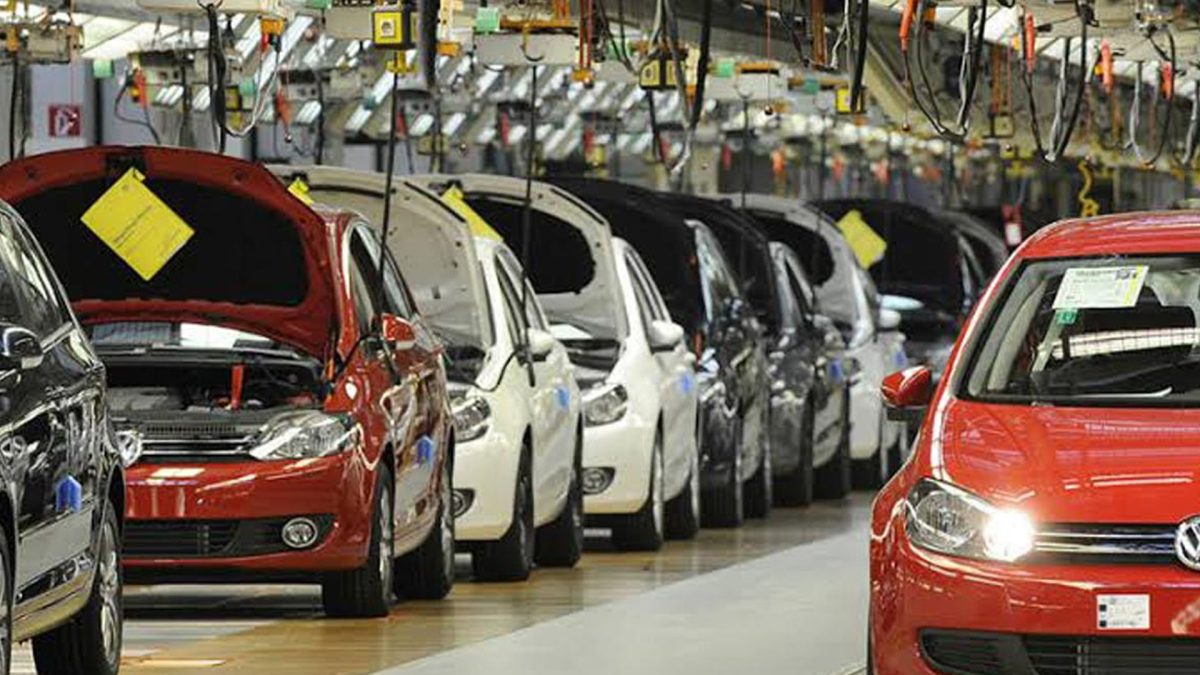
Driven by robust outbound merger and acquisitions (M&A) and continued EV momentum, India’s automotive sector recorded as many as 30 deals worth US$4.6 billion in July-September quarter (Q3) of 2025.

As per the report released on Wednesday by consultancy firm Grant Thornton Bharat, the Q3 of 2025 is the strongest quarter in a year for the Indian auto sector in terms of number of deals.

The deal activity was largely driven by Tata Motors’ US$ 3.8 billion acquisition of Italian commercial vehicle maker Iveco during the period under review. It contributed 95% of total M&A value.

“Excluding this deal, values dipped 36% over the last quarter, signalling that large strategic bets continue to define overall deal momentum,” said Grant Thornton Bharat in a release.

The September quarter of 2025 reflected a strategic pivot toward global expansion, electrification, and supply chain recalibration, as both strategic acquirers and private investors intensified focus on future-ready mobility platforms.

The report said that while M&A activity was dominated by cross-border consolidation plays, private equity (PE) interest remained steady in scalable, tech-enabled segments such as electric mobility, fleet electrification, and Mobility-as-a-Service (MaaS).

“The Indian automotive sector is in a phase of strategic reset — balancing policy reform, consumer realignment, and global expansion. The rollout of GST 2.0 and targeted tariff interventions have set the stage for renewed demand, even as OEMs and investors pivot toward cleaner, smarter mobility solutions,” said Saket Mehra, Partner and Automotive Industry Leader, Grant Thornton Bharat.

Mehra further noted that the September quarter’s strong M&A and PE activity reflects India’s growing global ambition in commercial mobility and a clear shift toward scalable, tech-enabled platforms.

“As policy tailwinds and festive demand converge, we anticipate sustained momentum across alternative fuel technologies, auto-tech, and supply chain digitisation,” he added.

Cross-border deals dominated in the Q3 of 2025, accounting for 71% of volumes and 99% of total values, with Asia and Europe being key regions of activity.

Samvardhana Motherson International executed three outbound acquisitions during the quarter, reinforcing India’s role in global auto supply chains.

As per the report, PE activity remained strong in Q3, with 23 deals worth US$ 531 million, marking a 15% increase in volumes but a 17% drop in values compared to Q2.

“The decline in value reflects the absence of large-ticket transactions, as 70% of deals were below USD 10 million, underscoring investor preference for smaller, focused bets,” the report said.

Mobility-as-a-Service (MaaS) continued to dominate PE deal flow, accounting for nearly 80% of total PE value, led by Rapido’s US$ 271 million investment from Prosus and WestBridge Capital. IFC-backed funding in electric bus operators JBM Ecolife Mobility and GreenCell Mobility, together worth US$ 137 million, further reinforced investor confidence in urban electrification and multimodal transport infrastructure.

India develops antibiotic for drug-resistant infections, Minister calls for achieving global recognition in R&D

Nirbhay Kumar |

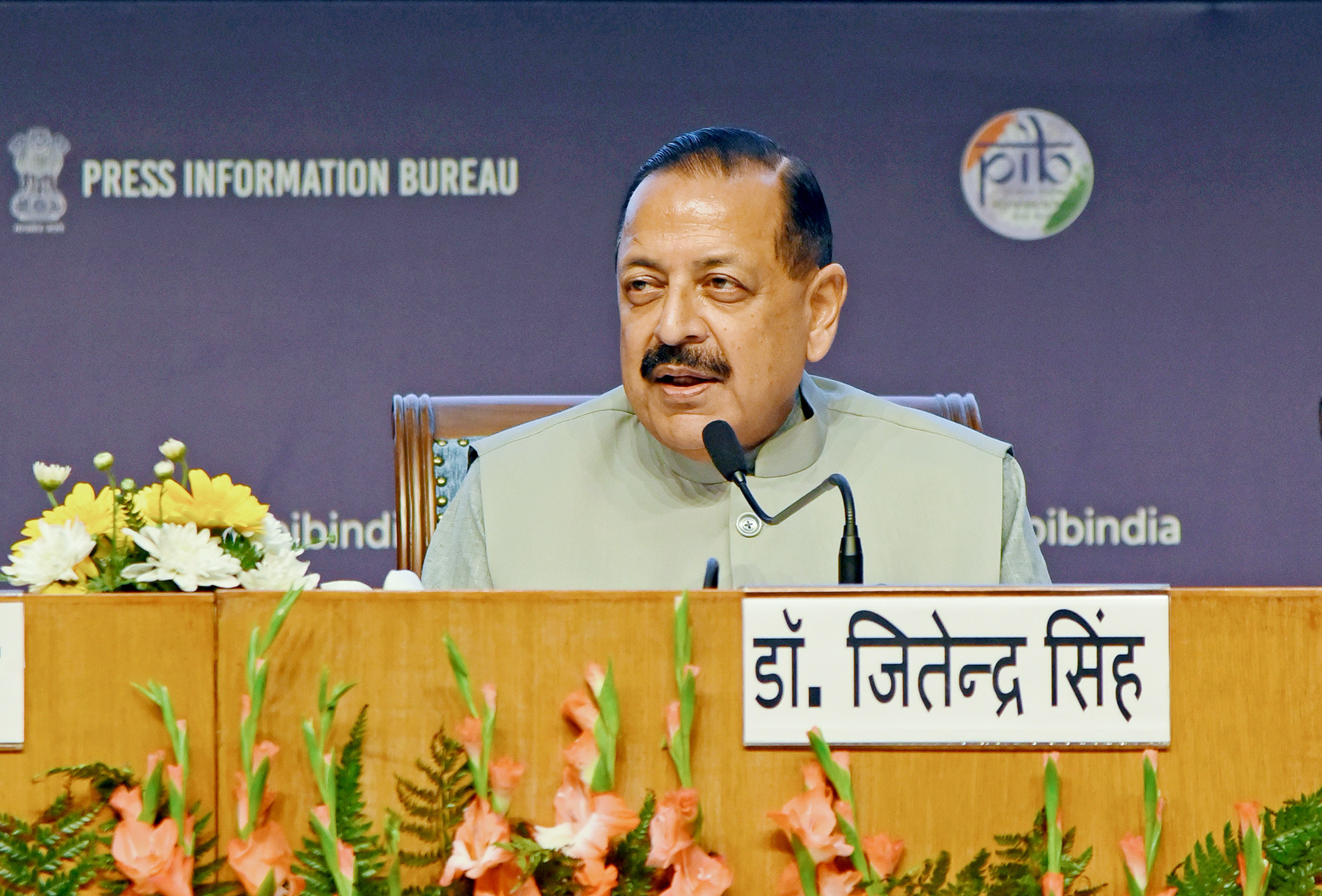
New Delhi: Citing the development of country’s first indigenous antibiotic Nafithromycin and successful clinical trial for Hemophilia treatment, Union Science and technology Minister Jitendra Singh on Saturday said that India must build a self-sustainable innovation ecosystem to achieve global recognition in research and innovation.

The Minister emphasized the need to build a self-sustainable innovation ecosystem so that India could reduce its dependence on government funding and create a culture of private sector participation and philanthropic support to achieve global recognition in research and innovation.

The Department of Biotechnology in collaboration with pharma major Wockhardt has developed antibiotic “Nafithromycin” which is effective against resistant respiratory infections, particularly useful for cancer patients and poorly controlled diabetics.

Another successful story of government and private sector collaboration is a major breakthrough in gene therapy, marking the first successful indigenous clinical trial for Hemophilia treatment.

Inaugurating the 3-day medical workshop on “Harnessing Artificial Intelligence for Multi-Omics Data Integration and Analysis”, Dr. Jitendra Singh said that India must develop a self-sustainable ecosystem to drive its scientific and research growth. He stated that most nations that have achieved global recognition in science and innovation have done so through self-sustaining, innovation-driven models with extensive engagement of the private sector.

Singh further mentioned that India has already sequenced over 10,000 human genomes and aims to scale this up to one million. The gene therapy trial, he added, recorded a 60–70% correction rate with zero bleeding episodes, representing a milestone in India’s medical research landscape.

The Minister highlighted that Artificial Intelligence (AI) has become one of the most transformative tools of the modern era, reshaping healthcare accessibility, governance efficiency, and decision-making. He mentioned that AI-based hybrid mobile clinics are already serving rural and remote regions, ensuring quality healthcare for all.

He also referred to the AI-driven grievance redressal system developed by the Department of Administrative Reforms and Public Grievances (DARPG), which has achieved a weekly disposal rate of 97–98%, significantly improving citizen satisfaction and service delivery.

Dr. Jitendra Singh said that India is entering a new era of self-reliance in biotechnology, AI and genomic medicine.

Many daily-use items saw more than expected price cuts post GST reforms 2.0: FM

Nirbhay Kumar |

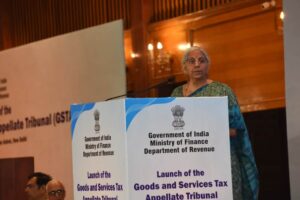
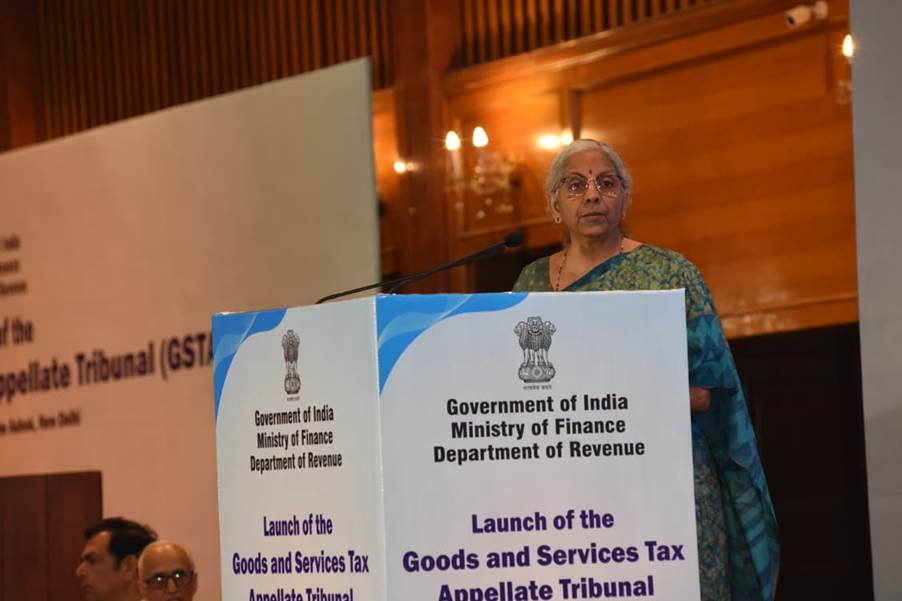
Many consumer items such as shampoo, talcum powder and utensils have seen more-than-expected price cut post GST reforms 2.0 under which most daily-use items have been placed under lower rate slabs, Union Finance Minister Nirmala Sitharaman claimed on Saturday.


“In quite a few cases, a more-than-expected price reduction due to GST reforms has been passed on to end consumers,” the Finance Minister said.


Sitharaman cited the case of shampoo, talcum powder, clinical diapers, household items of iron and steel, and umbrellas where prices came down more than the GST rate cut.


“For Shampoo, GST rates have been reduced from 18% to 5%. The intended benefit was 18 to 5% which means around 11.02%. Actual Decrease in price based on average price reported by various CGST Zones is 12.36%,” she said.


Similarly, for face powder, GST rates have been reduced from 18% to 5% and the intended benefit was 11.02% but the actual decrease in price is 12.22%.


“For Clinical diapers, GST rates have been reduced from 12% to 5%. The intended benefit was 6.25% but the actual decrease in price is 10.38%. For table, kitchen or other household articles of iron, steel and copper; utensils, GST rates have been reduced from 12% to 5%. The intended benefit was 6.25% but the actual decrease in price is 10.24%,” the Minister said.


She further said that for toys like tricycles, scooters, pedal cars etc., including parts and accessories thereof, GST rates have been reduced from 12% to 5% and the intended benefit was 6.25% but the actual decrease in price is 8.93%.


“For umbrellas and sun umbrellas, including walking-stick umbrellas, garden umbrellas and similar umbrellas, GST rates have been reduced from 12% to 5%. The intended benefit was 6.25% but the actual decrease in price is 9.19%,” she said.


Sitharaman noted that since September 22 the Finance Ministry has been receiving information from the zonal levels on all items.

She further said that the Ministry has been closely monitoring the prices of 54 products to ensure that the benefits of the revised tax structure are reaching the end consumers.


“The Next-Gen GST benefits have been fully passed on across all 54 items,” the Finance Minister said.
In sweeping rate reductions across sectors, the GST Council in its meeting in September this year decided to move to two-tier rate structure of 5% and 18% for most items with focus on common-man.

BIORGANO: Building a Sustainable Future with Bio-Fertilizers and Cornstarch Packaging

sachin |

The world is facing an unprecedented environmental crisis fueled by the overuse of chemical fertilizers and non-biodegradable plastics. While conventional plastics take hundreds of years to decompose, chemical-intensive farming practices are degrading soil health and polluting water sources at alarming rates. In response to these pressing challenges, BIORGANO has emerged as a brand that combines innovation with responsibility, offering eco-friendly bio-fertilizers and cornstarch-based packaging solutions that are practical, scalable, and impactful.

Economic & Practical Benefits of Bio-Fertilizers

One of the most common concerns around sustainable products is their cost. BIORGANO’s bio-fertilizers address this directly. Unlike conventional chemical fertilizers, which often need to be applied in large quantities, BIORGANO’s products are concentrated with beneficial microbes. This means farmers require smaller doses, yet they achieve far greater benefits.

The advantages go beyond cost-saving:

  • Reduced fertilizer input costs due to efficiency of microbial formulations.
  • Lower irrigation needs as soil health and water retention improve.
  • Higher long-term yields, improved soil fertility and crop resilience.

Over time, these benefits make bio-fertilizers not just eco-friendly but also more economical than chemical alternatives. As biotechnology advances and demand grows, the cost of sustainable materials and formulations continues to fall. BIORGANO ensures its products are competitively priced without compromising on quality or ethics, making them accessible to farmers and businesses alike.

Cornstarch: A Game-Changer in Bio-Packaging

Traditional plastics are among the biggest contributors to pollution, especially in developing countries. They clog oceans, choke landfills, and linger in the environment for centuries. BIORGANO’s answer is cornstarch-based packaging granules, which are biodegradable and versatile. Unlike plastic, cornstarch doesn’t suffocate the planet — provided it is composted under specific conditions.

What makes cornstarch packaging even more exciting is its dual benefit. Cornstarch granules can be converted into non-toxic bio-enzymes that boost soil fertility and agricultural yields. This creates a win-win scenario for the ecosystem — reducing plastic dependency while enriching the soil.

Cornstarch packaging is also highly versatile, flexible, moldable, durable, and wrappable. It can be adapted for countless uses, including:

  • Takeaway food containers (an eco-friendly alternative to Styrofoam and plastic).
  • Shopping bags and bubble wraps.
  • Films, liners, and box packaging.
  • Specialized uses such as medicine packaging, seed packaging, and agricultural supplies.

Simply put, there is little that cornstarch packaging cannot do, making it a viable and sustainable substitute across industries.

Future Vision

BIORGANO’s vision goes beyond products, it is about transforming how we think about sustainability in practice. The company aims to expand its bio-fertilizer presence across India’s key agricultural belts, particularly in states where chemical fertilizer dependency is high, but farmers are increasingly open to organic alternatives.

At the same time, BIORGANO is preparing to enter global markets. With sustainability gaining traction in Europe, the USA, and the Middle East, the brand sees enormous export potential for both its bio-fertilizers and bio-packaging solutions.

In the next decade, BIORGANO envisions itself as a key driver of agricultural and environmental change. Its mission is to help shift conventional farming toward organic, soil-friendly, and sustainable practices. By making bio-fertilizers widely available and scientifically advanced, BIORGANO seeks to support farmers while healing the planet.

Shaping a Greener Tomorrow

From enriching soil to replacing plastic, BIORGANO is proof that eco-friendly solutions can also be practical and cost-effective. Its bio-fertilizers empower farmers to achieve higher yields with fewer inputs, while its cornstarch packaging provides industries with durable, biodegradable alternatives to harmful plastics.

The message is clear: sustainability is no longer an aspiration; it is a necessity. With innovation, science, and commitment, BIORGANO is not just responding to an environmental crisis but actively shaping a greener ecosystem for future generations.

Amit Shah Slams Rahul Gandhi and Lalu Yadav Over Protecting Infiltrators’ Votes in Bihar

TheIndiaSaga Team |

Union Home Minister Amit Shah on Saturday charged the Congress leader Rahul Gandhi and his allies like RJD president Lalu Prasad with trying to “secure voting rights for infiltrators”.

Addressing a BJP workers’ conclave in Araria district of Bihar, Shah vowed to drive out each and every infiltrator once the NDA retained power in the state, getting a two thirds majority in the upcoming assembly polls.

“Rahul baba took out a Yatra here recently. The purpose was to oppose special intensive revision of electoral rolls by the Election Commission, which wants to remove infiltrators’ names from voters’ list,” said the former BJP president.

The allusion was to the “Voter Adhikar Yatra”, which saw Gandhi, the leader of the opposition in Lok Sabha, and Prasad’s son and heir apparent Tejashwi Yadav covering 1,300 kilometers across 25 districts.

“Rahul baba, Lalu and company want to secure voting rights for infiltrators. I want to ask all you workers from the Seemanchal region, should we allow this,” asked Shah, evoking roars of “no” from BJP cadres belonging to the northeastern part of Bihar, which has a significant Muslim population.

“I promise you that each and every infiltrator will be driven out of Bihar if the NDA wins with a two thirds majority, with a tally of 160 plus seats,” said the Union home minister, who is widely regarded as the BJP’s principal strategist.

The Election Commission is likely to announce the dates for the polls for the 243-seat Bihar assembly soon.

Shah also noted with satisfaction that the party had done well in the region in the last assembly polls, but added: “You must strive to do better this time. Only then the target of 160 plus can be achieved”.

He asserted that Prime Minister Narendra Modi’s government “has not been charged with misappropriation of even 25 paise, in the last 11 years”, unlike the Congress-led UPA which faced serious corruption charges while in power.

Shah said that the Modi government has also been “fulfilling all its promises” like abrogation of Article 370 and construction of the Ram temple at Ayodhya.

“Now, in Bihar too, a big temple of goddess Sita is being built. Another promise that has been fulfilled recently is the airport at Purnea, from where I am going to catch my return flight,” said the Union minister, before winding up his two-day tour of the state.

Earlier, Shah had discussed the party’s strategy for elections with BJP workers at Bettiah in West Champaran district and Sarairanjan in Samastipur.

He also visited the state BJP headquarters at Patna to give a pep talk to senior leaders of the state.

Union minister Dharmendra Pradhan, who has been named the in charge of the party for the upcoming assembly polls, BJP national general secretary in charge of Bihar and national general secretary (Organization) B L Santhosh were also present at the party office.

Why Self-Employed Professionals Should Consider Term Insurance Early

TheIndiaSaga Team |

Self-employment is all about freedom and flexibility. You are your own boss, create your client list, and choose your growth trajectory. However, this freedom also makes you responsible for your own financial security. You don’t receive employer-sponsored benefits like insurance or retirement contributions like salaried employees do. Planning your finances prudently becomes that much more necessary in such a scenario. Term insurance is probably one of the easiest and best ways to secure your family and dependents financially.

Understanding Term Insurance for the Self-Employed

Term insurance is a simple form of life insurance. If the insured person dies during the policy period, the designated beneficiary receives the agreed amount. This helps secure your family’s financial future. For self-employed individuals, whose earnings can vary from month to month, having this coverage is especially important.

By investing in term insurance for self employed or independent professionals at the onset of their careers, premiums remain low, and the plan can provide protection over a long period. With time, this protection ensures your family is not exposed to financial risk if an untimely incident occurs.

Why Starting Early Matters

The younger and healthier you are, the lower your premium. Early planning is therefore practical. Delaying until later in life may raise the price and, for some, restrict coverage. Planning ahead is thus sensible. By beginning early, you lock in lower premiums, broader choices, and the flexibility to tailor your coverage to your needs.

Optional accidental death or critical illness riders can be added to give you added coverage. You can raise the sum assured as your income increases, so your financial safety increases along with your profession. You get to choose policies that support your long-term objectives when you invest early.

A Shield Against Irregular Income

One of the biggest challenges for self-employed professionals is fluctuating income. Some months may be profitable, while others may be lean. Unlike salaried employees, there is no fixed paycheque. This makes planning for unexpected events more complex.

In such cases, term cover is a protector. If the life assured dies suddenly, the sum assured is given to the nominee, so that dependents are not left with the burden of daily expenses, educational expenses, or loan repayment. The amount received can provide for home expenses and even business borrowings.

Practical Example

Take, for instance, a freelance consultant who gets project-based remuneration. If the consultant dies suddenly, dependents could lose the primary source of income. Term insurance ensures that monthly expenses, school fees, and loans are still managed without burdening dependents.

Key Benefits for the Self-Employed

Term insurance has some self-employed professional-specific benefits:

  • Security for family: Dependents are shielded from financial distress.
  • Repaying debt: Business loans can be managed and paid off comfortably. 
  • Business continuity: Partners or associates have the opportunity to stabilise their operations. 
  • Peace of mind: Knowing that your loved ones are insured allows you to focus on growing your business. 

These benefits make term insurance an essential part of a comprehensive financial strategy for self-employed individuals.

Practical Situations Where It Helps

Real-life scenarios can show why term insurance is important:

  • A family member of a small business owner with a loan does not want repayment to fall on them.
  • A foreign freelancer does not want financial support for their parents at home.
  • An independent consultant or trainer does not want to leave their child’s education in uncertainty despite income fluctuation.

In all these situations, term insurance coverage provides stability in times of uncertain or nonexistent income.

Tax Aspects to Keep in Mind

Tax planning is a crucial aspect of self-employed professionals’ financial management. Premiums on term insurance can be deductible, subject to the prevailing tax regime. Government regulations need to be kept in touch with, for instance, the income tax slab for AY 2026-27 can influence eligibility and benefits.

Balancing Cost and Flexibility

Self-employed professionals often manage tight budgets. Term insurance is affordable compared with other insurance products. Plans can be customised according to coverage amount, payment frequency, and additional riders.

Even if income is modest initially, it is better to begin with basic coverage than delay altogether. Gradually, you can enhance the coverage and the amount assured. Such flexibility makes term insurance appropriate for various phases of a self-employed professional’s career.

Importance of Claim Settlement Ratio

The claim settlement ratio (CSR) is an important factor to consider when choosing an insurance provider, as it reflects the insurer’s reliability. CSR indicates the proportion of claims that an insurer has successfully paid out. A higher CSR indicates that the insurer is trustworthy and effective. For example, Axis Life Insurance has a strong CSR of 99.70%, showing that it is dependable in assisting families during difficult times.

Building a Strong Financial Safety Net

Term insurance is most effective when it is used within a comprehensive financial strategy. Self-employed professionals should also invest in health insurance, retirement savings, and other assets. In combination, these are a solid safety net.

Early protection with term insurance means less worry. You can still have income changes, but you will always know your family is financially secure. This peace of mind enables you to concentrate on your career and future development.

Table: Benefits of Term Insurance for Self-Employed

The following table shows the benefits of term insurance for the self-employed:

BenefitHow it Helps
Family SecurityProtects dependants from financial hardship
Debt CoverageEnsures loans and obligations are paid
Business ContinuityAllows partners time to manage operations
Peace of MindReduces stress, enabling focus on work

Conclusion

Being self-employed can be fulfilling, but it also comes with specific risks. Term insurance serves as more than just a policy; it acts as a financial safety net. In the event of the insured person’s death, the designated beneficiary receives the assured amount. This ensures your family’s security, aids in maintaining business operations, and assists in handling any debts. Getting started with coverage early makes it more affordable, adaptable, and secure for the future.

For self-employed professionals, term insurance is essential. It secures personal and professional goals and provides peace of mind for you and your family. Choosing coverage wisely today ensures long-term security and confidence in your financial planning.

Chips are digital diamonds: PM Modi

Kumar Saurav |

The Prime Minister Narendra Modi inaugurated the ‘Semicon India – 2025’, aimed at catalysing India’s Semiconductor ecosystem, at Yashobhoomi in New Delhi today. Addressing the gathering, the Prime Minister acknowledged the presence of semiconductor industry CEOs and their associates from India and abroad. He welcomed distinguished guests from various countries, entrepreneurs associated with start-ups, and young students who had come from different states across the nation.

Modi stated that he returned last night from his visit to Japan and China, and today he is present among the audience in Yashobhoomi, a hall filled with aspirations and confidence. Mentioning his passion for technology has always been natural and well-known, the Prime Minister said that during his recent visit to Japan, he had the opportunity to visit the Tokyo Electron factory along with Japanese Prime Minister H.E. Mr. Shigeru Ishiba. He mentioned that the CEO of that company is present among the audience today. The Prime Minister emphasized that his inclination towards technology repeatedly brings him among such gatherings. He expressed that being present among the audience today brings him great joy.

Noting the presence of semiconductor sector experts from across the globe, with representation from over 40 to 50 countries, Shri Modi emphasized that India’s innovation and youth power are also visibly present at the event. He stated that this unique combination sends a clear message, “The World trusts India, the World believes in India and the World is ready to build the Semiconductor Future with India”. The Prime Minister welcomed all distinguished guests attending Semicon India and affirmed that they are important partners in India’s journey towards a developed and self-reliant nation.

Pointing to the GDP figures for the first quarter of this year that were released recently, the Prime Minister said, “Once again, India has outperformed every expectation, every estimate, and every forecast”. He noted that while economies around the world are facing concerns and challenges driven by economic self-interest, India has achieved a growth rate of 7.8 percent. Shri Modi emphasized that this growth is visible across all sectors—manufacturing, services, agriculture, and construction—with enthusiasm evident everywhere. He remarked that India’s rapid growth is infusing new energy across industries and among every citizen. He affirmed that this trajectory of growth is propelling India swiftly towards becoming the third largest economy in the world.

Remarking that in the world of semiconductors, it is often said, ‘Oil was black gold, but chips are digital diamonds’, the Prime Minister stated that oil shaped the previous century, and the fate of the world was determined by oil wells. The global economy fluctuated based on how much petroleum was extracted from these wells. However, he emphasized that the power of the 21st century is now concentrated in the small chip. Though tiny in size, these chips possess the potential to accelerate global progress significantly. Shri Modi highlighted that the global semiconductor market has already reached $600 billion, and in the coming years, it is expected to surpass $1 trillion. He expressed confidence that, given the pace at which India is advancing in the semiconductor sector, India will hold a significant share in this $1 trillion market.

Stating that he wished to highlight the speed at which India is progressing, Shri Modi recalled that in 2021, the Semicon India programme was launched. He added that by 2023, India’s first semiconductor plant had been approved, in 2024, several more plants received approval and in 2025, five additional projects were cleared. He further stated that in total, ten semiconductor projects are now underway, involving an investment of over eighteen billion dollars —more than ₹1.5 lakh crore. The Prime Minister emphasized that this reflects the growing global trust in India.

Emphasising that in the semiconductor sector, speed matters, Shri Modi said, “the shorter the time from file to factory, and the lesser the paperwork, the sooner wafer work can begin”. He stressed that the government is working with this very approach. The National Single Window System has been implemented, enabling all approvals from both the Centre and States to be accessed on a single platform. As a result, investors have been freed from extensive paperwork, he further added. The Prime Minister highlighted that semiconductor parks are being developed across the country under a plug-and-play infrastructure model, which offer facilities such as land, power supply, port and airport connectivity, and access to a skilled worker pool. He remarked that when such infrastructure is combined with incentives, industrial growth is inevitable. Whether through PLI incentives or Design Linked Grants, India is offering end-to-end capabilities. This is why investment continues to flow in, he emphasised. Affirming that India is moving beyond backend operations and progressing towards becoming a full-stack semiconductor nation, Shri Modi reiterated that the day is not far when India’s smallest chip will drive the world’s biggest change. He stated, “Our journey began late… but nothing can stop us now.” The Prime Minister informed that CG Power’s pilot plant commenced operations on August 28, just 4–5 days ago. He added that the pilot plant of Kaynes is also about to begin. Test chips from Micron and Tata are already in production. He reiterated that commercial chip production will begin this year, underscoring the rapid progress India is making in the semiconductor sector.

Emphasizing that India’s semiconductor success story is not confined to a single vertical or a single technology, Modi stated that India is building a comprehensive ecosystem—one that encompasses designing, manufacturing, packaging, and high-tech devices, all within the country. He clarified that the Semiconductor Mission is not limited to establishing a single fab or producing a single chip. Rather, India is creating a robust semiconductor ecosystem that will make the nation self-reliant and globally competitive, the Prime Minister added.

Underlining another key feature of India’s semiconductor mission, Shri Modi said that the country is advancing in this sector alongside the world’s most advanced technologies. He stated that India’s focus is to empower emerging technologies through chips manufactured domestically. The Prime Minister noted that design centers being developed in Noida and Bengaluru are working on some of the world’s most advanced chips—capable of storing billions of transistors. He emphasized that these chips will power the immersive technologies of the 21st century. Addressing the challenges faced by the global semiconductor sector, the Prime Minister affirmed that India is actively working to overcome them. He remarked that while towering buildings and impressive physical infrastructure are visible in cities, their foundation lies in steel. Similarly, the foundation of India’s digital infrastructure is built on critical minerals. Shri Modi stated that India is currently working on the National Critical Mineral Mission and is committed to meeting its demand for rare minerals domestically. He added that over the past four years, significant progress has been made on critical minerals projects.

Underscoring that the government envisions a significant role for start-ups and MSMEs in the growth of the semiconductor sector, the Prime Minister highlighted that India contributes 20 percent of the world’s semiconductor design talent, and that the country’s youth represent the largest human capital factory for the semiconductor industry. Addressing young entrepreneurs, innovators, and start-ups, Shri Modi urged them to come forward, assuring that the government stands shoulder to shoulder with them. He emphasized that the Design Linked Incentive Scheme and the Chips-to-Startup Programme are specifically designed for them. He also announced that the Design Linked Incentive Scheme is being restructured to better serve its objectives. The Prime Minister stated that the government is committed to developing Indian intellectual property (IP) in this sector. He added that the recently launched National Research Fund will also support this effort through strategic tie-ups. Noting that several states are actively participating in the semiconductor mission, with many having formulated special policies for the sector, the Prime Minister said that these states are focusing on developing dedicated infrastructure. He called upon all states to engage in healthy competition with one another to build semiconductor ecosystems and enhance the investment climate within their regions.

“India has reached this stage by following the mantra of Reform, Perform, and Transform. A new phase of next-generation reforms will soon be initiated”, stated the Prime Minister affirming that work is underway on the next phase of the India Semiconductor Mission. Addressing all investors present, he expressed India’s readiness to welcome them with an open heart and said, “Design is ready. Mask is aligned. Now is the time for precision execution and delivery at scale”. He emphasized that India’s policies are not short-term signals but long-term commitments and assured that every investor’s needs will be met. “The day is not far when the world will say: Designed in India, Made in India, Trusted by the World”, said the Prime Minister. He concluded by expressing his wish that every bit of India’s efforts be successful, every byte be filled with innovation, and the journey remain error-free and high-performance.

Indian economy logs 7.8% growth in Q1FY26

Nirbhay Kumar |

Marking the highest quarterly growth in five quarters, India’s gross domestic product (GDP) grew by 7.8% year-on-year in April-June quarter (Q1) of the current financial year 2025-26 (FY26).

“Real GDP has been estimated to grow by 7.8% in Q1 of FY 2025-26 over the growth rate of 6.5% during Q1 of FY 2024-25,” an official statement said.

India’s real GDP or GDP at constant prices in Q1 of FY 2025-26 is estimated at Rs 47.89 lakh crore, against Rs 44.42 lakh crore in Q1 of FY 2024-25.

As per the official data, agriculture and allied sector recorded real GVA (gross value added) growth rate of 3.7% in Q1 of the current fiscal, as compared to the growth rate of 1.5% registered in Q1 of last financial year.

Secondary sectors, manufacturing and construction logged strong performance in the quarter under review recording 7.7% and 7.6%) growth respectively.

Mining & quarrying (-3.1%) and electricity, gas, water supply and other utility services sector (0.5%) saw moderated growth rate during Q1 of FY 2025-26. At 9.3%, tertiary sector recorded substantial growth rate in Q1 of FY26.

The official data released by Ministry of Statistics & Programme Implementation (MoSPI) showed Government Final Consumption Expenditure (GFCE) bounced back in the June quarter, registering 9.7% growth rate in nominal terms during Q1 of FY26, over the growth rate of 4% in Q1 of FY25.

Real Private Final Consumption Expenditure (PFCE) reported 7% growth rate during Q1 of FY26 as compared to the 8.3% growth rate in the corresponding period of previous financial year.

Gross Fixed Capital Formation (GFCF) recorded 7.8% growth rate in Q1 of FY26.

Commenting on GDP numbers, ICRA chief economist Aditi Nayar said, “After the unexpectedly strong Q1 FY2026, a lower YoY momentum of Government capex and the looming hit to exports from the US tariff and penalties, would dampen growth prints in the coming quarters, notwithstanding the balm offered by GST rationalisation. Amidst continuing uncertainty, we maintain our baseline GDP growth forecast at 6.0% for FY2026.”

She further said, “The sharper than expected GDP growth print, which represents an acceleration over the previous quarter, has doused any expectations that the tariff related turmoil could prompt monetary easing in the October 2025 policy review.”

Radhika Rao, Executive Director and Senior Economist at DBS Bank said, “With a strong 7.8% year-on-year growth in hand and 2Q likely to enjoy the further benefit of a low base, we will revisit our full year growth number, currently at 6.3% YoY (real GDP growth).”

Reliance Jio IPO 2026: What Investors Need to Know

Devendra Khati | Updated :

Reliance Jio, India’s largest digital services provider, is preparing to launch one of the most anticipated IPOs in Indian stock market history during the first half of 2026. The announcement, made at Reliance Industries’ 48th Annual General Meeting by Chairman Mukesh Ambani, confirmed both the timeline and the strategic intent behind Jio’s public debut.

Jio’s Journey Toward Listing

Since its commercial launch in 2016, Jio has redefined India’s telecom sector by offering low-cost data and free voice services, helping it surpass 500 million subscribers by 2025. This disruptive model not only accelerated India’s digital adoption but also became the backbone for fintech innovations such as UPI and a host of digital-first startups.

Now entering its tenth year, Jio is expected to file for an IPO in H1 2026, subject to regulatory approvals. Market analysts believe the listing could unlock massive shareholder value while providing investors access to one of the fastest-growing digital ecosystems in the world.

Key Milestones and Growth Drivers

  • Unmatched Subscriber Growth: Over 500 million users, including 191 million 5G subscribers, making Jio the largest telecom operator in India.
  • AI-Led Innovation: Integration of AI across customer service, diagnostics, and digital platforms, positioning India as a global AI hub.
  • International Expansion: Plans for global rollouts in smart homes, enterprise digitization, and consumer AI under the theme “AI Everywhere for Everyone”.
  • Potential Mega IPO: Market expectations suggest fundraising of ₹52,000 crore (approx. $6.2 billion), which could make it the largest IPO in India’s history.

Investor Insights: What to Track

  • Valuation: Analysts estimate a valuation above ₹10.4 lakh crore ($120+ billion), putting Jio on par with global technology leaders.
  • Regulatory Leverage: Updated SEBI rules may allow large firms like Jio to list with just 2.5% public float, easing listing requirements.
  • Strategic Impact: The IPO will create liquidity for global investors such as Meta and Google, who invested heavily in Jio since 2020, while also setting benchmarks for India’s digital economy.

The Reliance Jio IPO in 2026 could mark a defining moment for India’s capital markets. With unmatched subscriber growth, strong digital infrastructure, AI-driven expansion, and robust investor interest, the listing is poised to be more than just a fundraising event—it could reshape how global markets view India’s digital opportunity.

Kaushik Bharwad, A Voice of Emotion, Tradition, and Timeless Connection

TheIndiaSaga Team |

In a very short time, Kaushik Bharwad has become one of the most loved and admired artists in the Gujarati music industry. His fame is continuously rising as he captures the heart of his fans with his soleful voice and unique style. His recent hits, includes Bhai Behenni jodi, Nand Gopala, which is proof of his exceptional talent and dedication, and that shows the deep connection he shares with his fans. In the current generation Kaushik is truly a sensation in Gujarat’s musical landscape.

Kaushik Bharwad carries the aura and magnetic energy that brings the listeners to him from every corner. He has a calm and commanding nature without even having to try very hard, and that brings charm to his work. He is well known for his humanity and demure presence, which makes every fan connection feel personal. As well as he often credits his fans for his success. He carries the confidence of the artist who knows his worth but also values his roots more. Whether it’s in the spotlight or behind the scenes, he radiates his energy and authenticity with passion for his music.

Talking about the transformationof life, Kaushik Bharwad shared, “It feels magical how my life has completely turned upside-down. I’m truly overwhelmed by the love and appreciation my fans have showered on me. Their support motivates me to work harder and create even more music for them. Very soon, I’ll be bringing new songs in different genres, and I believe my fans will continue to give me the same love they always have.”

Giving a reflect of his upcoming work Kaushik shares ” Soon, I am going to create many songs that are soulful and full of emotions. I believe my fans will continue to love me just as they always do.”

While the singer is currently working on his ongoing projects, fans eagerly waits what’s next in his bucket.